
Where do machines actually fail, and what do you design in so they do not?
Most stops start in the hardware. A contact that wears out, a 24 V bus that drops, heat that ages the panel, a termination that shakes loose, and a trip nobody can explain.
The parts that answer it
Power it. Control it. Prove it.One part per decision, each with one fact from its own sheet. The brand name opens that product line.
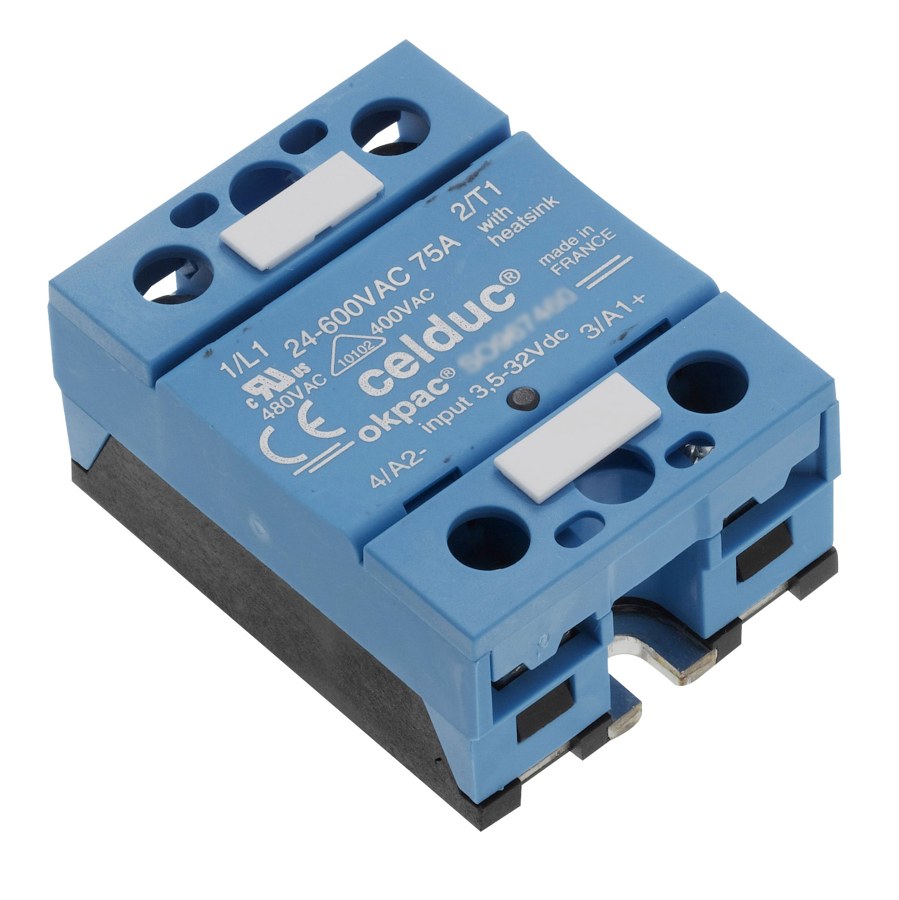
Celduc solid state relays
A high-cycle heater, motor or lamp load stops wearing out contacts. Solid state still has a heat budget the panel has to carry.
The printed fact. Millions of cycles with nothing to wear out. SOD and SILD versions report heater diagnostics, so a service call becomes a diagnosis.
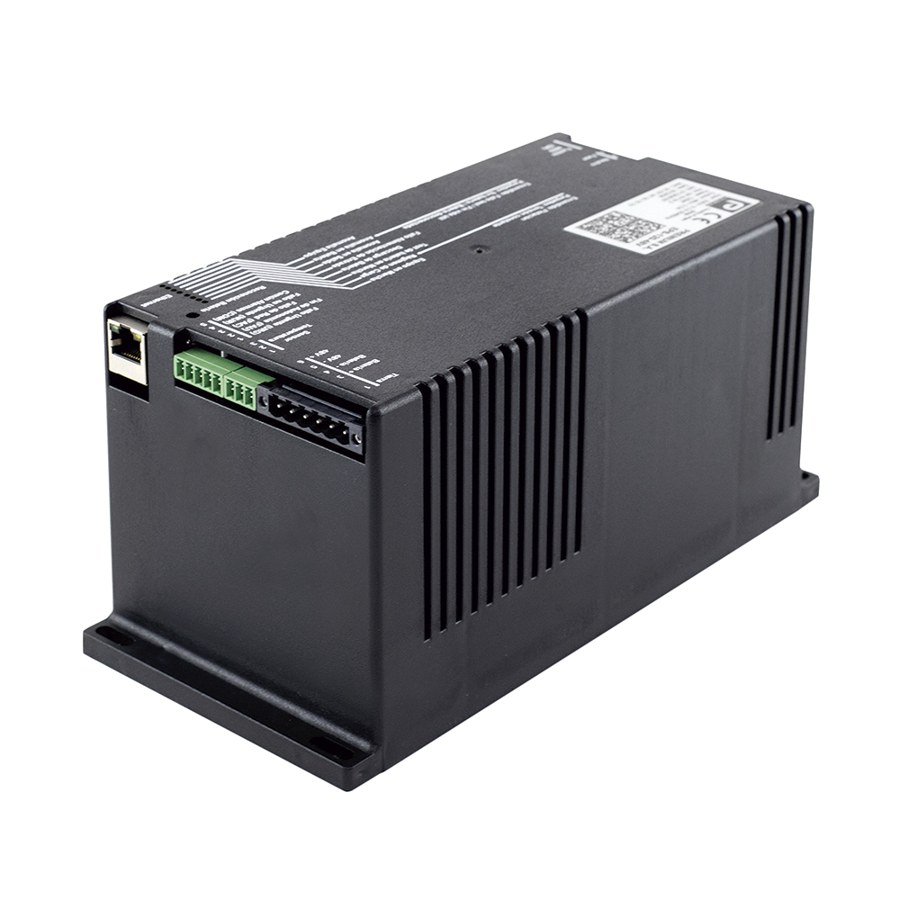
Premium PSU DC UPS and DC/DC converters
The controller, the I/O and the sensors all live on the 24 V bus. A dropout there reboots the machine.
The printed fact. A 500 W DC UPS that carries the load through an unexpected AC outage, and DC/DC converters from 60 W to 2 kW.
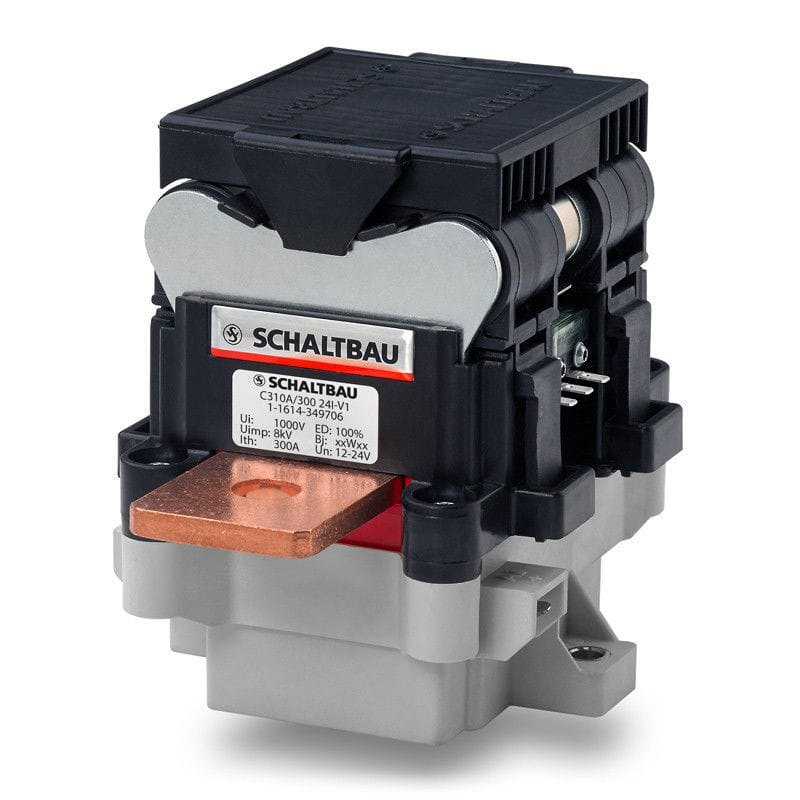
Schaltbau DC contactors
DC has no zero crossing, so the contactor has to stretch and cool the arc itself. Ask what it breaks under load, not only what it holds.
The printed fact. Permanent-magnet arc blowout, 1 kV to 3 kV, for battery storage, chargers, DC distribution and test benches.
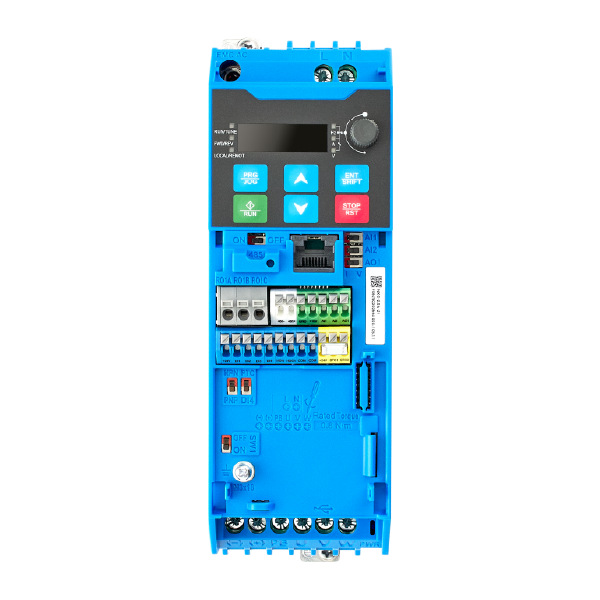
IMO Jaguar NXG variable speed drives
A drive on a machine that shakes for a living needs a frame built for it.
The printed fact. Compact to heavy frames, including harsh-environment models built for vibration.
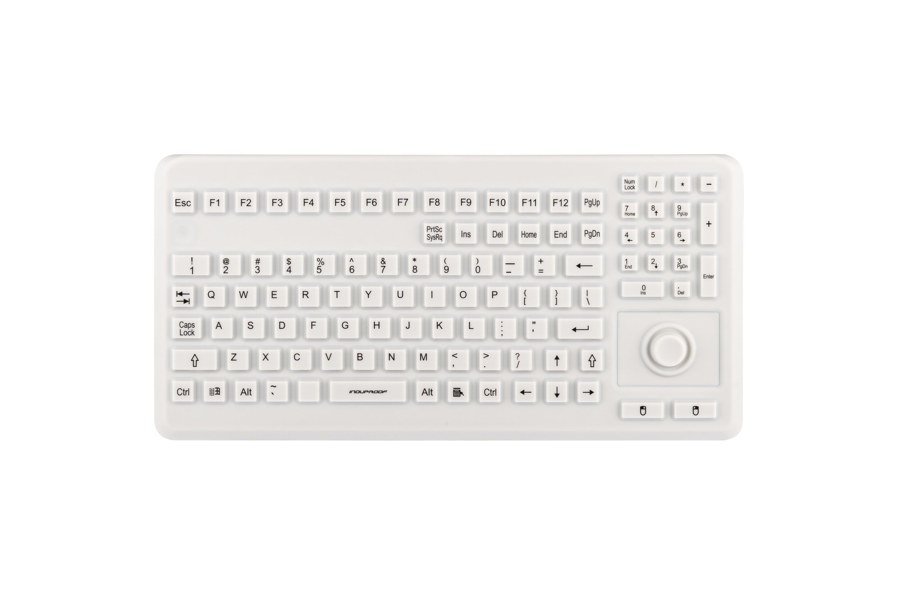
GETT InduProof and InduSteel keyboards
The operator interface takes gloves, coolant and washdown on every shift.
The printed fact. Washable silicone and stainless keypads, optical switches with no moving part, and capacitive input that reads a gloved hand through a sealed front.
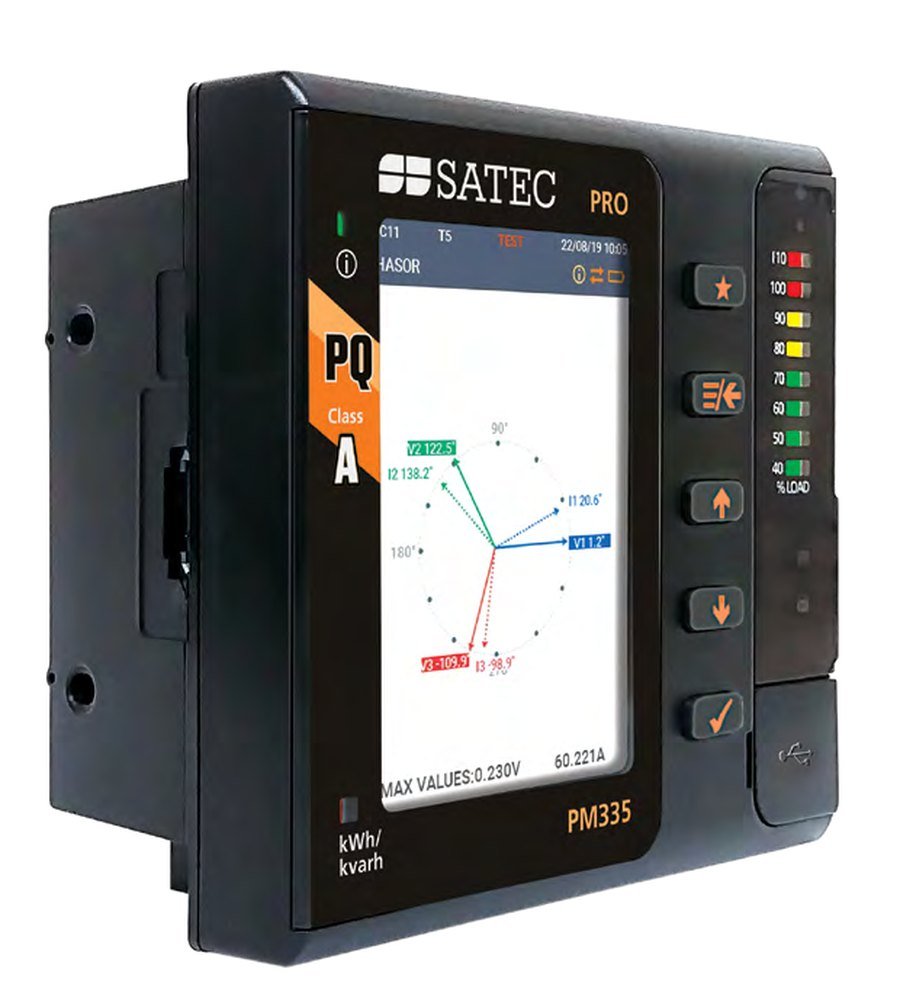
SATEC PRO series power quality analyzers
Measure the supply before you blame the drive. The next trip has a time and a depth on file.
The printed fact. Every event stamped to 1 microsecond, with waveform capture and fault recording.
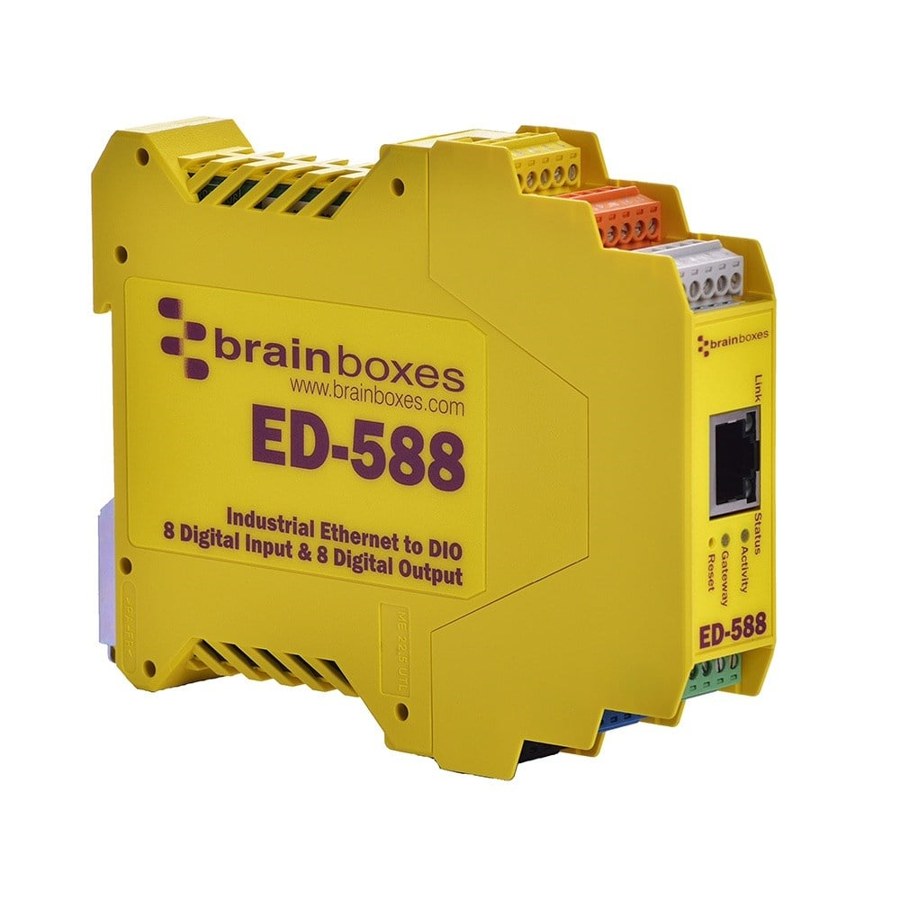
Brainboxes ED Ethernet remote I/O
Temperatures, counts and states come off a built machine without rewriting the PLC.
The printed fact. Analog, digital, RTD and thermocouple inputs presented as Modbus TCP devices your own software polls.
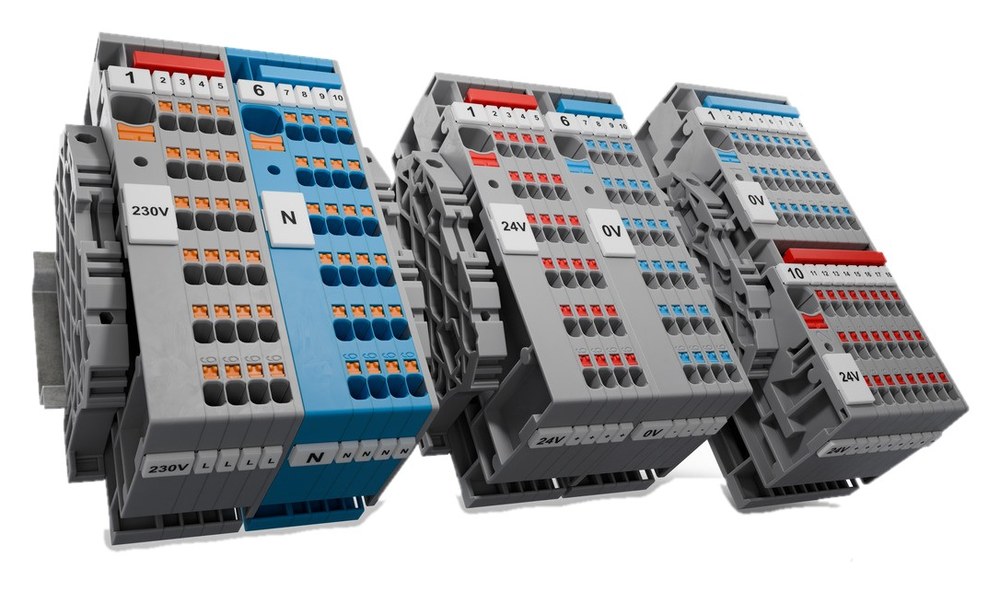
Conta-Clip spring-clamp and push-in terminal blocks
On a machine that vibrates, the termination is where a fault starts.
The printed fact. Spring-clamp blocks hold under vibration. Screw, spring cage, push-in and stud connections sit on one rail system.
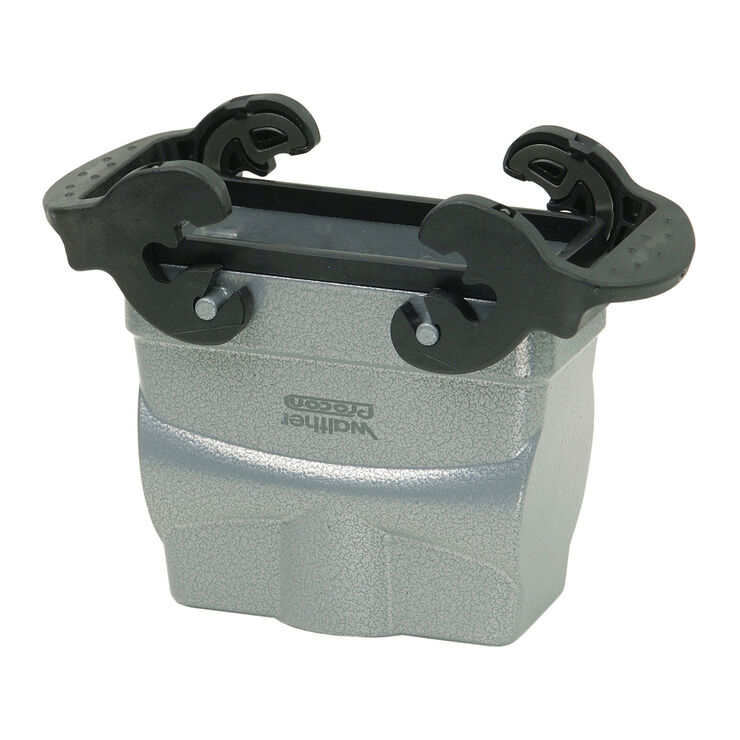
Walther Procon heavy-duty connectors
A connector on a washdown floor has to hold its rating on every shift.
The printed fact. Washdown versions rated to IP68, with power, signal and Ethernet inserts in one frame.