
Where do the inches go in a control panel, and how do you get them back?
Panel space goes to parts doing one job each, to heat and to wiring room. Space comes back where one part does two jobs, sheds less heat or moves out of the main panel.
The parts that answer it
Power it. Control it. Prove it.One part per decision, each with one fact from its own sheet. The brand name opens that product line.
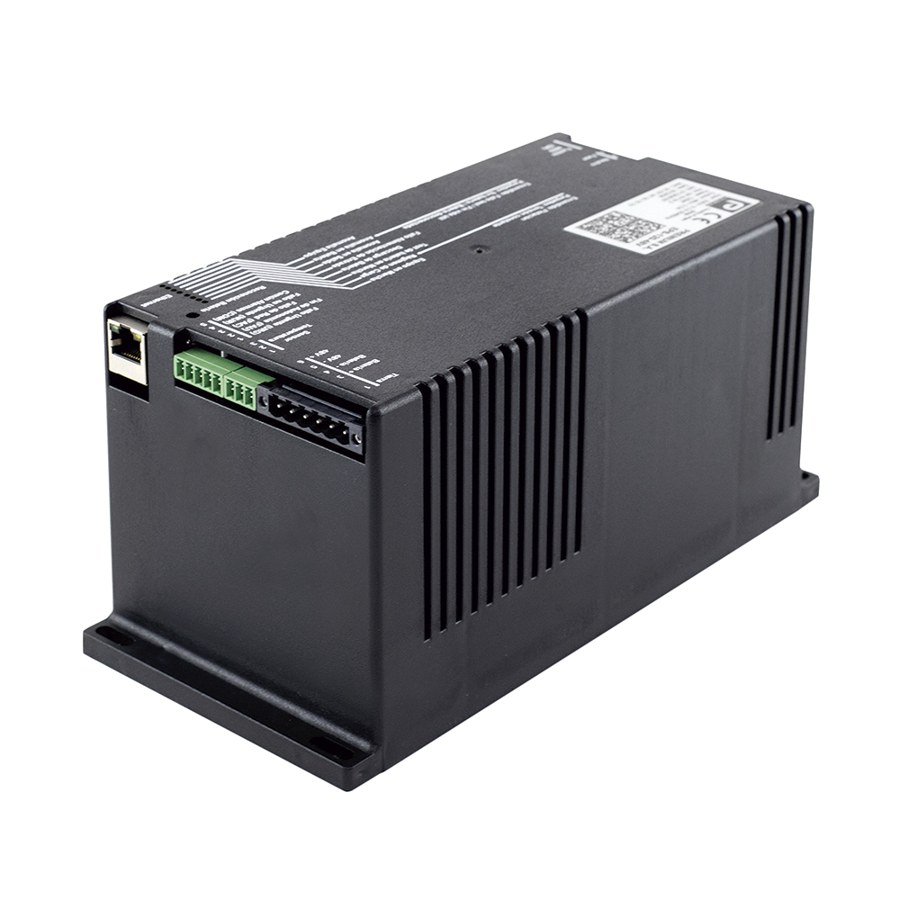
Premium PSU GaN power supplies
The supply sets how much rail and how much clearance the DC bus takes.
The printed fact. Custom AC/DC supplies from 50 W to 60 kW. More watts per inch, less heat to dump.
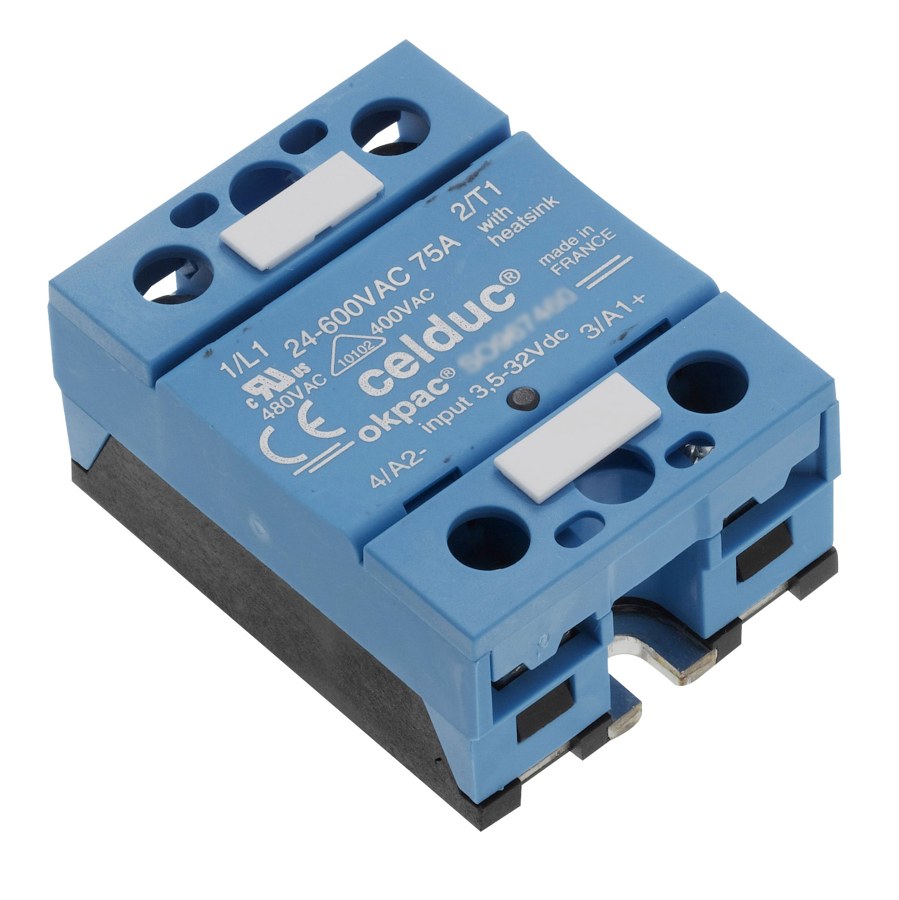
Celduc celpac and okpac solid state relays
Switching in a slim DIN-rail package, with versions that arrive on their own heat sink.
The printed fact. 22.5 mm DIN-rail celpac and 45 mm okpac packages, single to four phase, with ready-to-use versions with heatsinks.
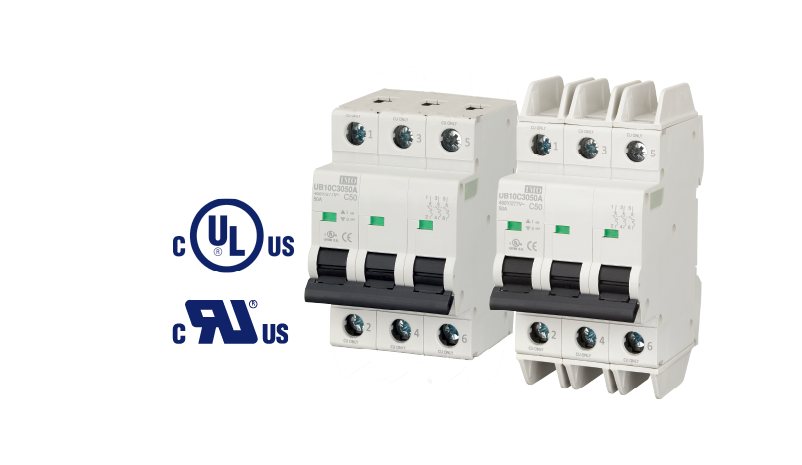
IMO contactors and motor circuit breakers
The motor branch from one catalog, with a coil that runs cool in a tight panel.
The printed fact. Contactors from compact through heavy industrial frames with a 3 W sealed coil that runs cool, and UL 489 miniature circuit breakers beside them.

GETT InduSmart panel PCs
The display and the computer are one fanless unit in the door.
The printed fact. Panel PCs from 10.1 to 21.5 inches, IP65 front, fanless, Windows or Linux.
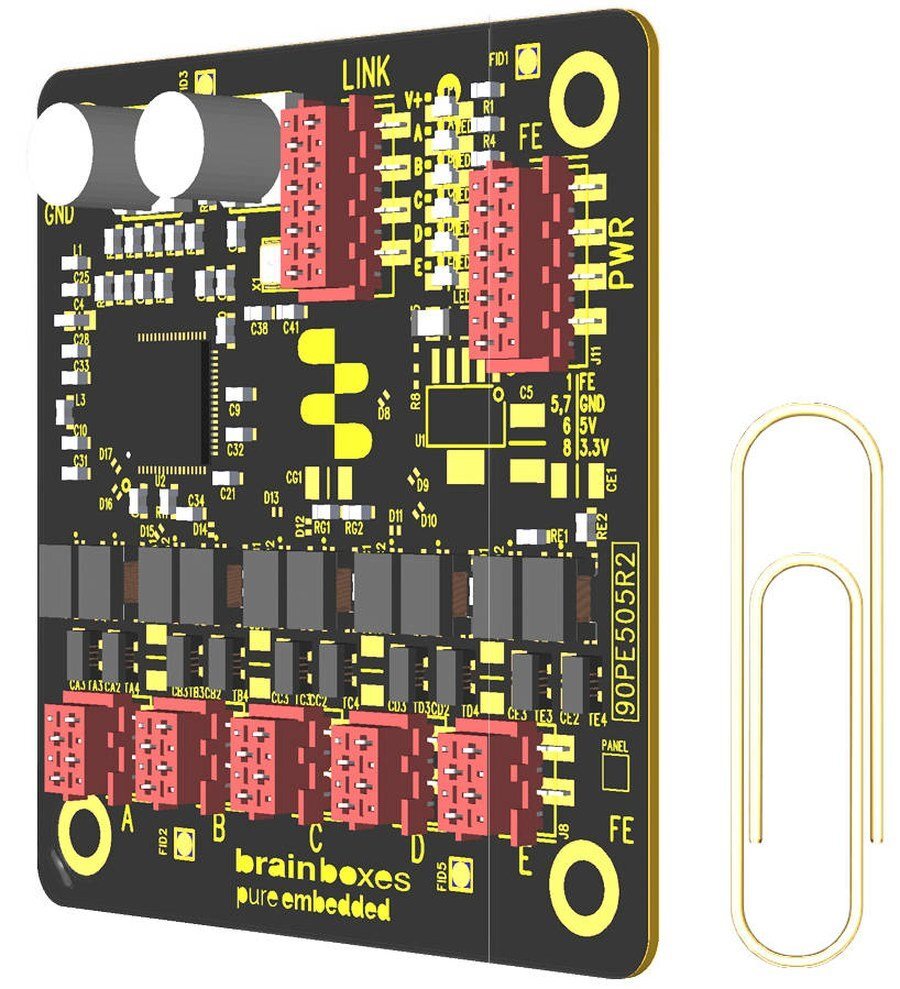
Brainboxes board-level Ethernet switches
The network switch is designed into the product, so it takes no rail in the panel.
The printed fact. Board-level switching 55 by 55 by 10 millimeters, rated -40 to +85 C, designed into the enclosure instead of bolted on.
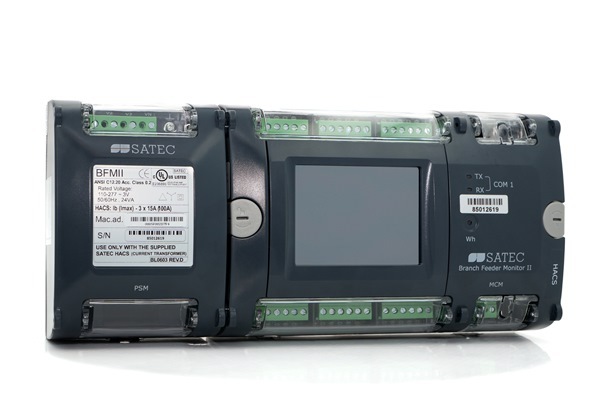
SATEC BFM-II and PRO series meters
One device on the rail where the panel would otherwise carry several.
The printed fact. BFM-II: up to 54 single-phase or 18 three-phase circuits from one DIN-rail unit. PRO: a Class 0.2S revenue meter and a Class A power quality analyzer in one device.
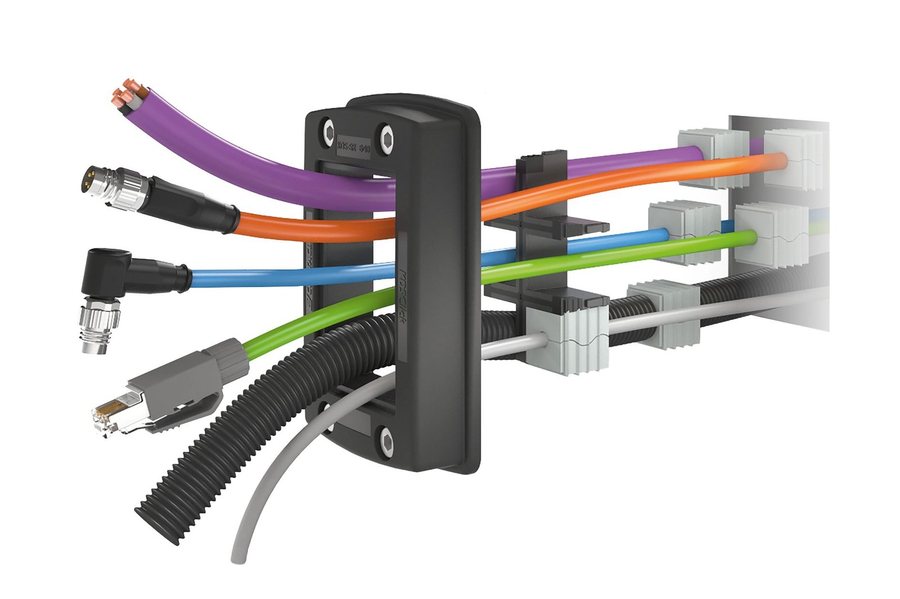
Conta-Clip KDS split cable entry
The enclosure wall stops being a row of glands, and the cables keep their connectors.
The printed fact. The cable goes through the frame with its connector on and the frame holds IP66. UL Recognized, one frame in place of a row of glands, seals swapped from outside.
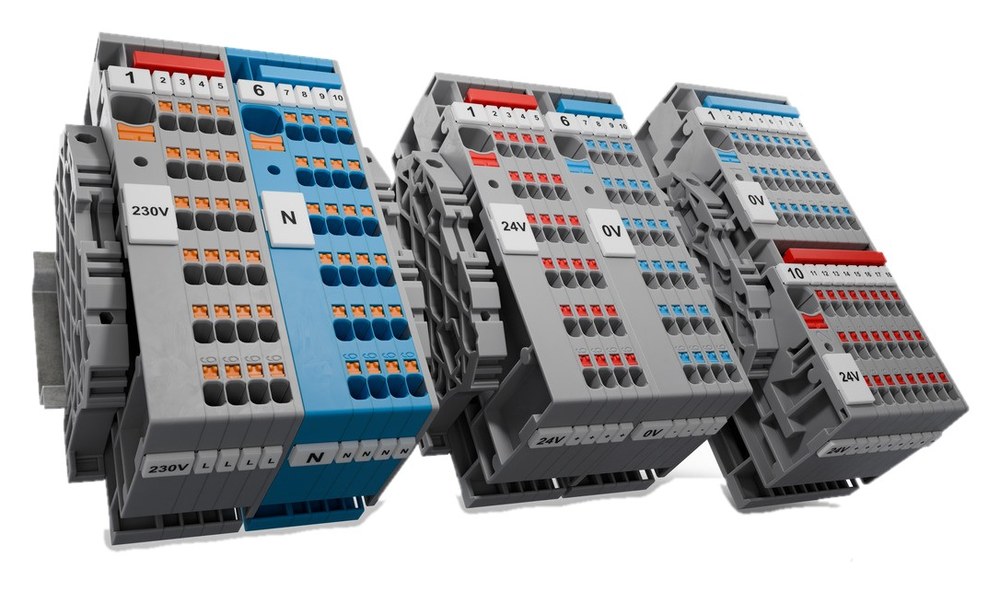
Conta-Clip PPVK push-in distribution blocks
The splits come off the feed on the rail itself.
The printed fact. Finger-safe power distribution blocks for the splits from the feed, with screw, spring cage, push-in and stud connections on one rail system.