
Power it
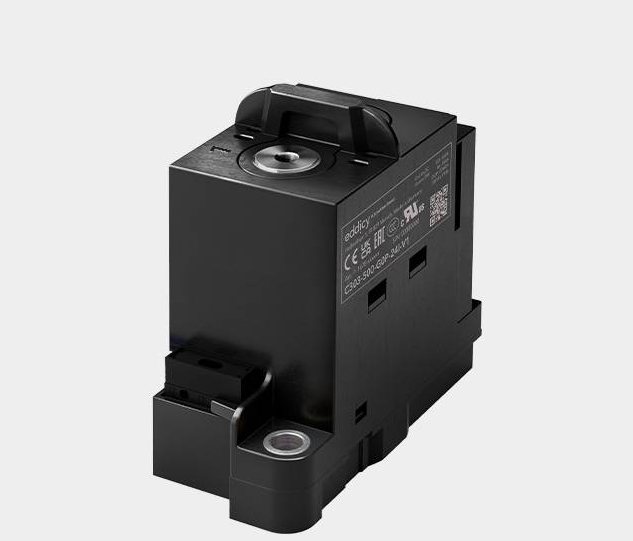
Breaks DC under load, to 3,000 V
A battery bus never crosses zero, so the contactor has to clear the arc itself. Schaltbau DC contactors use permanent-magnet arc blowout in an open, non-encapsulated chamber: no gas to leak, bidirectional, so charge and discharge run through the same device. C303 at 1,500 V and 500 A continuous for the charger and the inverter disconnect; C320 in the 1,000 A class for the bus.
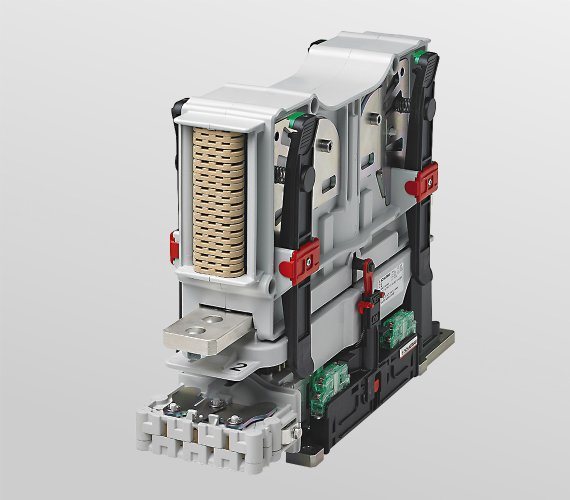
The test bench that does not weld
Charge-discharge cycling and short-circuit simulation on a battery or powertrain bench, without contact welding. The CP series is modular high-voltage switchgear to 4,800 V and 2,000 A: contactors, disconnectors and changeovers, delivered as a pre-engineered contactor panel when the switching function should arrive as a unit.
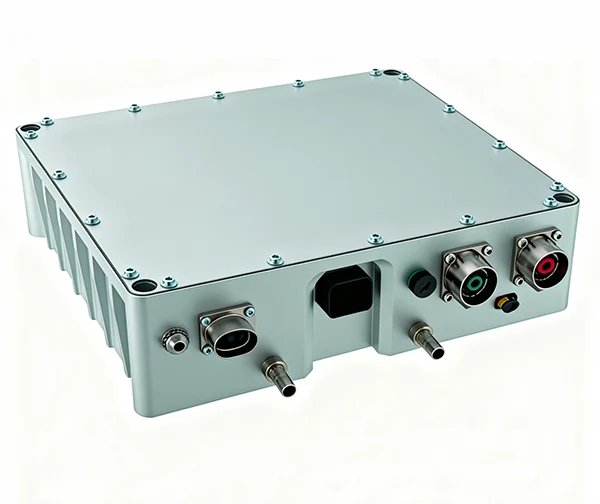
Conversion that already speaks 800 V DC
Released, published-spec converters and inverters with input ranges reaching 400 to 1,100 V DC: BBC-30K 30 kW bidirectional storage inverter, NP-0827 35 kW string inverter, CVS-280 DC/DC, CMS-2000 sealed to IP67, and substation DC supplies with 10 kV isolation for the protection cabinet. Built on 750 V catenary heritage, so a high-voltage DC bus is familiar ground.
DC switching where a contactor is too big
Solid state relays for DC: the SCM to 1,700 V DC at 0 to 150 A, the SDI protected relay at 750 V DC and 50 A. Heaters, pre-charge and auxiliary loads on the DC bus switched with no moving parts and no arc, from a maker with 45 years on solid state. Not isolation and not a disconnect; that job stays with the contactor.
Control it
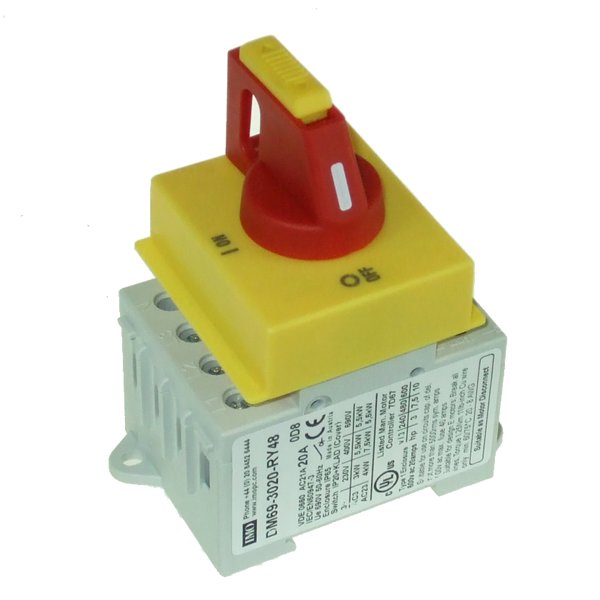
Rapid shutdown at the module, an air gap at the string
FireRaptor module-level rapid shutdown, one unit per module, on a US rooftop of 65,000 modules with sectionalized shutdown control and a 20-year warranty. The SI Series TRUE DC isolator (UL 508, 8 million units installed since 2009) where the string needs a real air gap, and a compact version a third smaller.
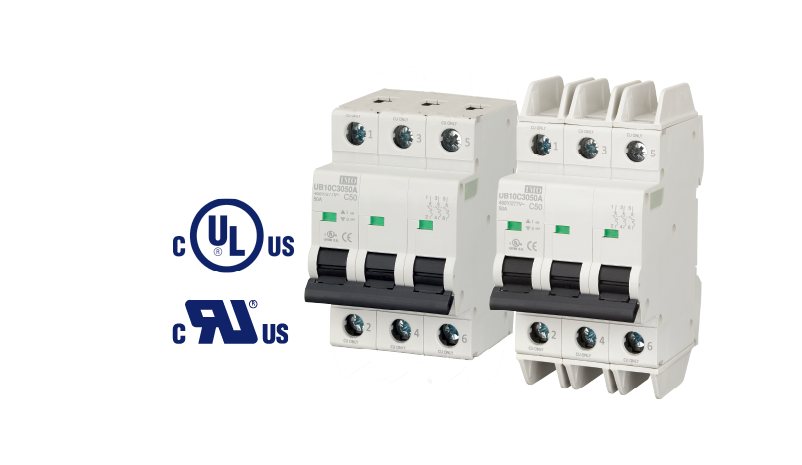
The balance-of-plant panel
UL-approved miniature circuit breakers, RCBOs and surge protection for the charger and auxiliary circuits, contactors with a 3 W sealed coil that run cool in a switching station on solar-hybrid power, and iSmart or XGB logic with license-free programming for the pumps, fans and doors around the container.
Prove it
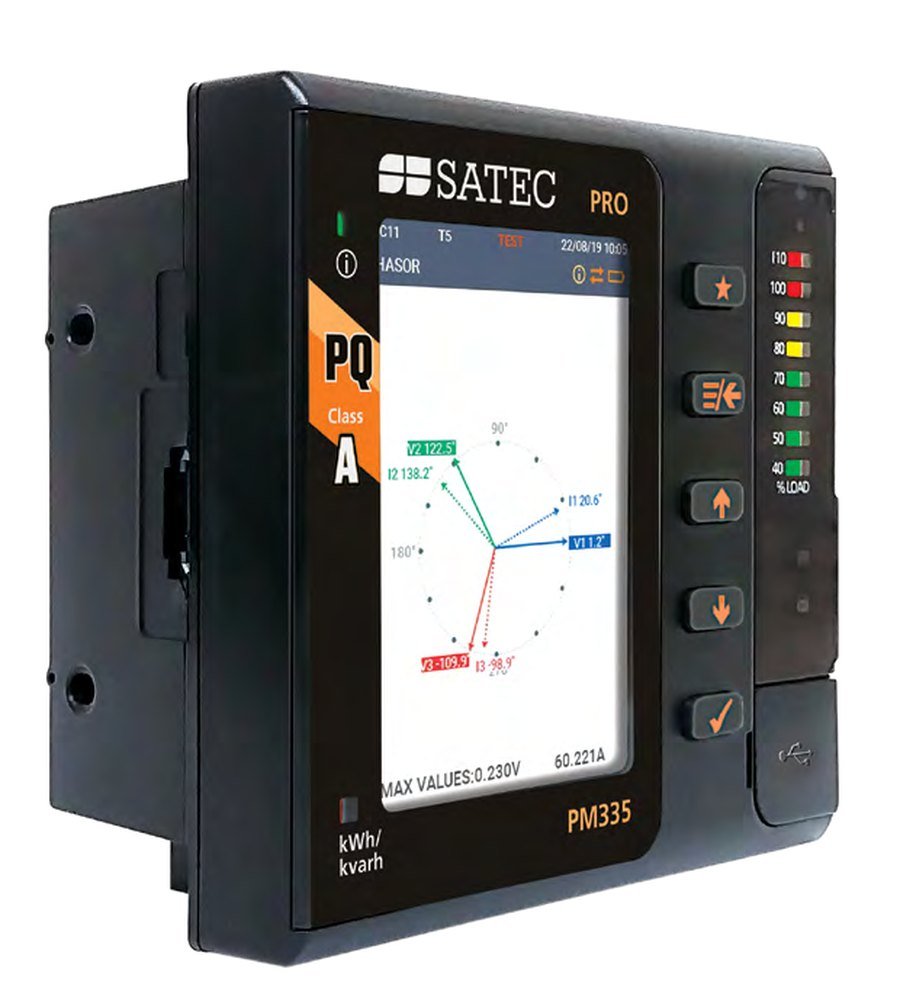
AC and DC to 1,500 V, one platform
PRO Series measures the DC and the AC on the same instrument family: a Class 0.2S revenue meter and a Class A Edition 3.1 power quality analyzer in one device, DC to 1,500 V through Hall-effect sensors at 0.2 percent, up to 3,000 A DC. The string, the bus and the interconnect on one drawing.
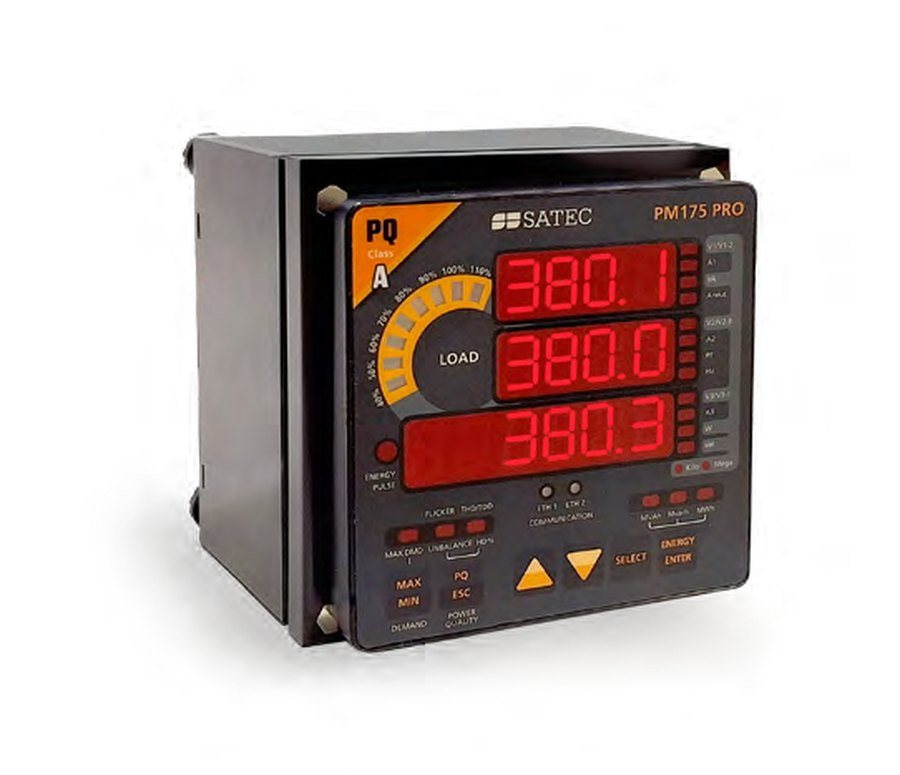
The interconnect record
PM17x PRO at the point of interconnect: harmonics to the 63rd, every event stamped to 1 microsecond, so when the utility asks what the site did at 14:07 there is a log, not a recollection. PM335 PRO adds 0.001 Hz frequency resolution where the site sells grid services.
Every inverter feed, one device
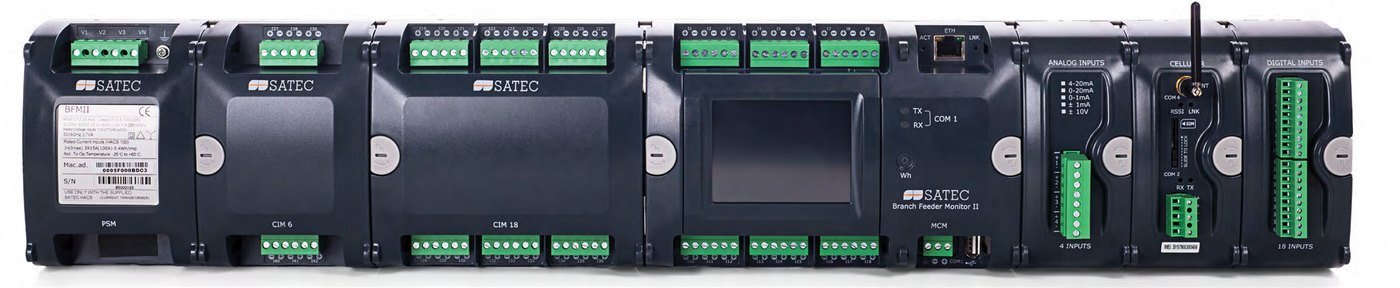
BFM-II meters up to 54 single-phase or 18 three-phase circuits from one DIN-rail unit, against two voltage sources. Each inverter feed and the auxiliary loads carry their own kWh, so a round-trip figure is measured, not modeled, and HACS split-core sensors clip on around the conductor to put it on a site that is already energized.
Inverters, chargers and gensets onto one network
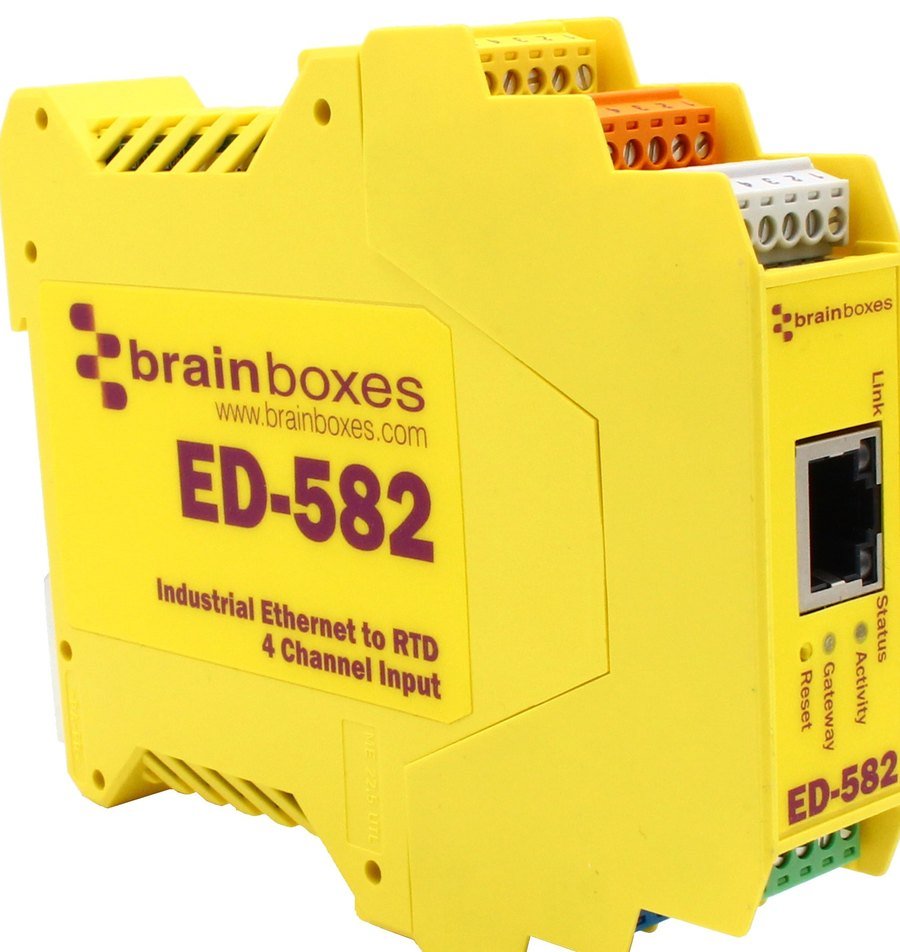
Remote I/O picks up states, flows and temperatures at the sensor and presents them as Modbus TCP devices the site controller or SCADA polls; Ethernet-to-serial puts the RS-485 port on a running charger or genset onto the network. SFP fiber ports for the run across the site, past the EMI beside an inverter.
Foundation
Power distribution blocks and high-current terminals
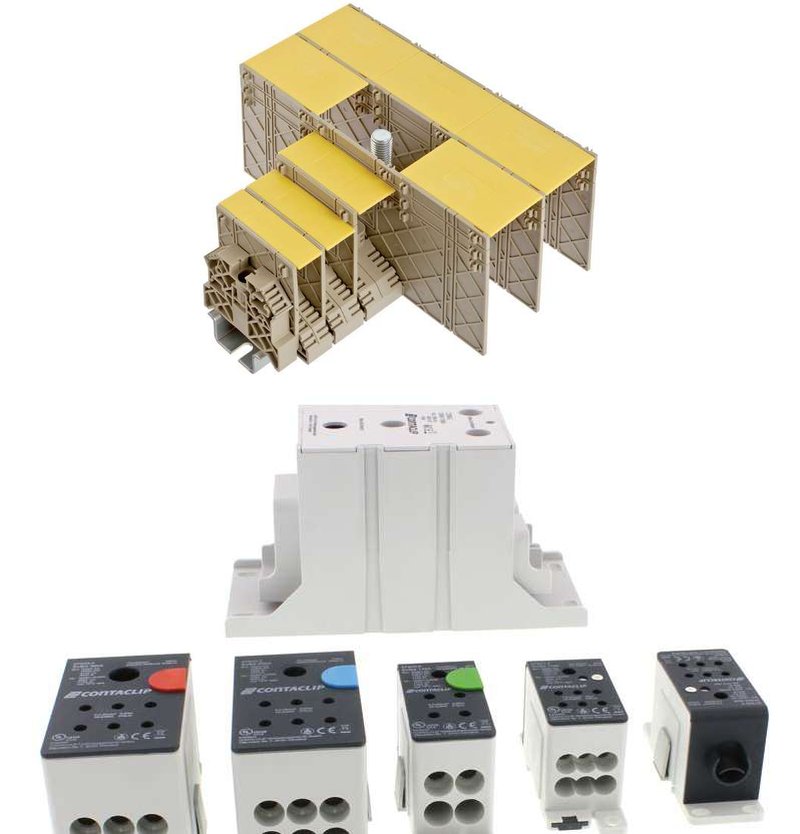
Finger-safe splits from the incoming feed to the zone loads, stud and bolt terminals for the big conductors, and the DIN-rail blocks, marking and KDS split cable entry around them. Less exposed copper, faster fit-out.
Junction boxes built for outside
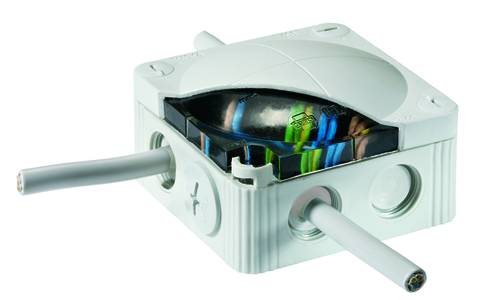
COMBI junction boxes to IP66, UV and ozone resistant, quarter-turn lids, membrane entries that need no locknut, for the container yard, the pad and the pole. Glands, venting and the Brace conduit system around them, from a company that started on ships in 1919.