
Where do the build hours go on a machine, and how do you get them back?
On a machine built more than once, every step in the build repeats on every unit. Terminations, marking, cables built on the floor and connectors cut off at the wall are hours the drawing decides.
The parts that answer it
Power it. Control it. Prove it.One part per decision, each with one fact from its own sheet. The brand name opens that product line.
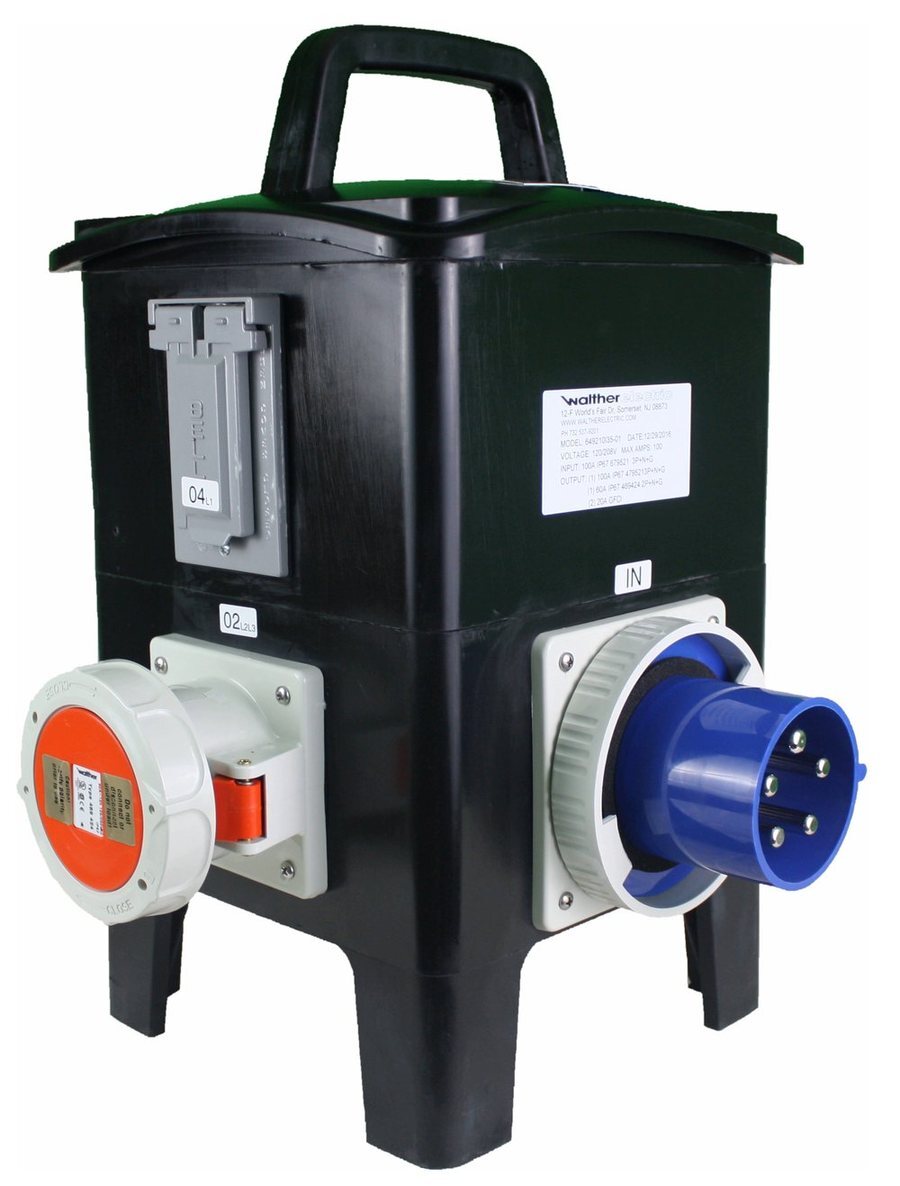
Walther cable assemblies and distribution boxes
The cords, drops and distribution boxes arrive built, so the crew does not build cables on the floor.
The printed fact. Built to length in Somerset, New Jersey as UL-listed assemblies, labeled and 100% tested. Distribution assemblies ship wired, with breaker protection built in.
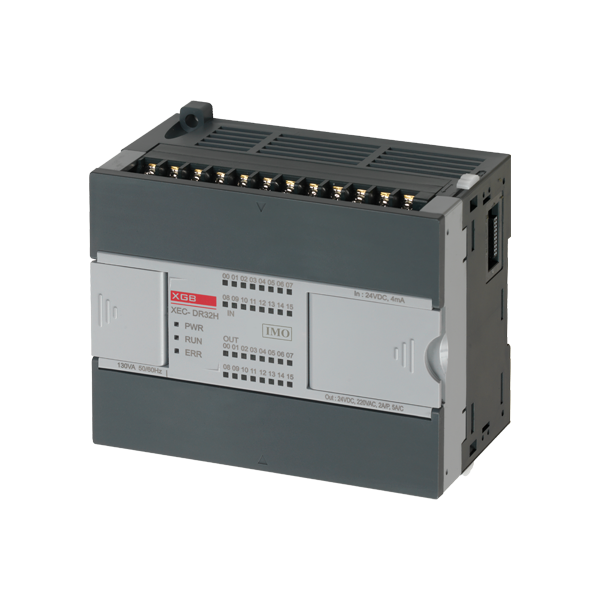
IMO iSmart smart relays, i3 controllers and XGB PLCs
The step from a smart relay to a PLC keeps the same toolchain, so no one relearns the software.
The printed fact. License-free programming across the range, so the step up from relay to PLC does not change the toolchain or add a runtime license.
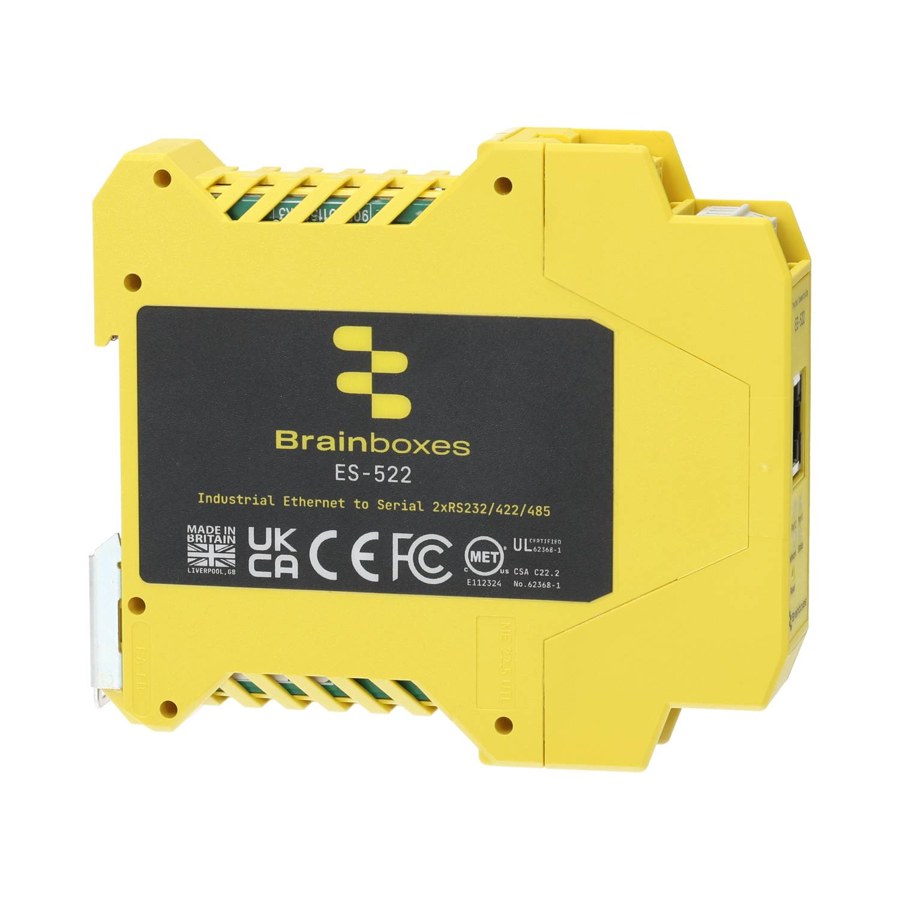
Brainboxes Ethernet to serial converters
An instrument with only a serial port joins the network without a software rewrite.
The printed fact. PoE, DB9 and industrial versions. The old line with only a serial port joins the network through it, and the control code is untouched.
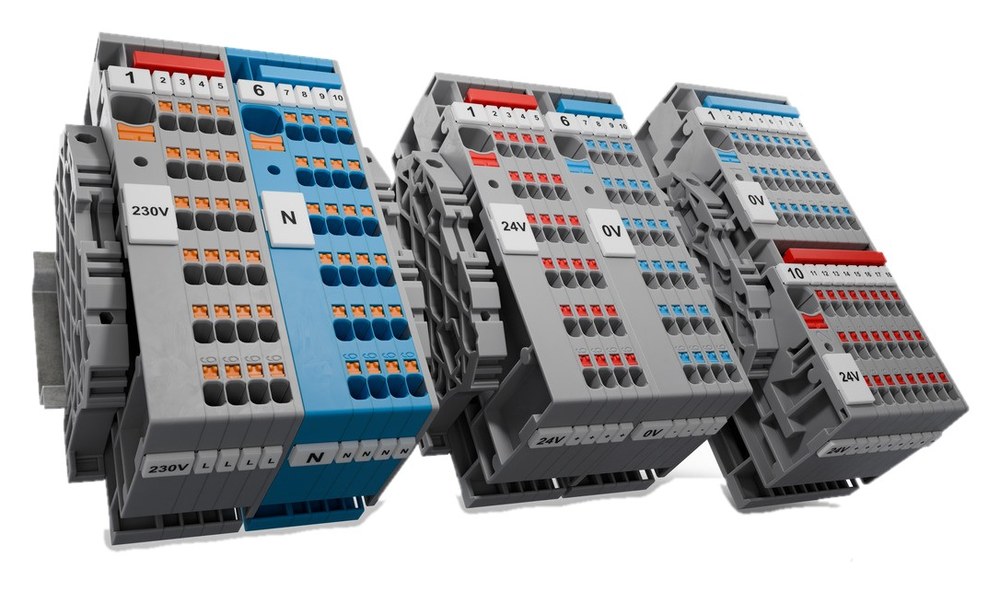
Conta-Clip PPVK push-in distribution blocks
The splits come off the feed on the rail, with no torque check on each point.
The printed fact. One feed-in and a row of color-coded push-in points. The block can be extended after commissioning.
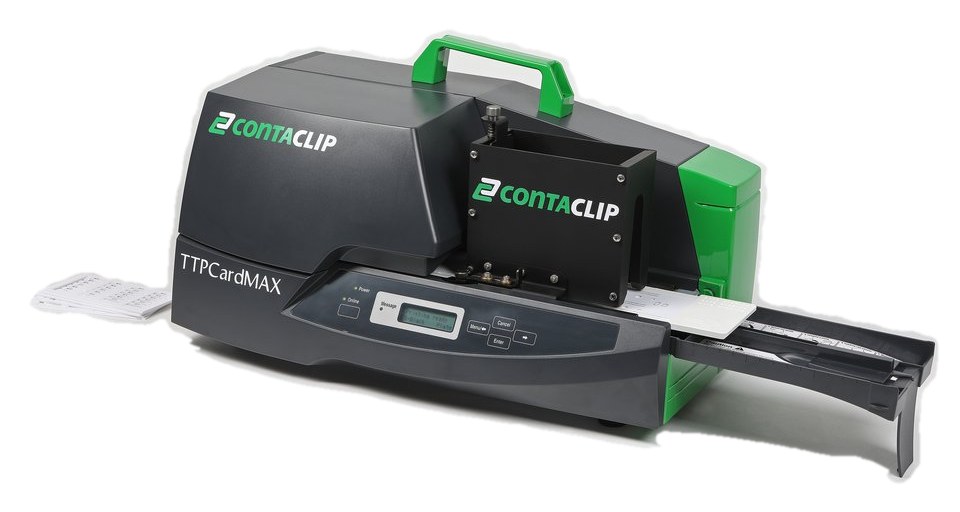
Conta-Clip TTPCardMAX marking
The wire numbers come off the drawing and go on the blocks, the wires and the devices in the shop.
The printed fact. Thermal transfer printing, up to 5,500 markers an hour. Marker cards for most common DIN-rail terminal block families.
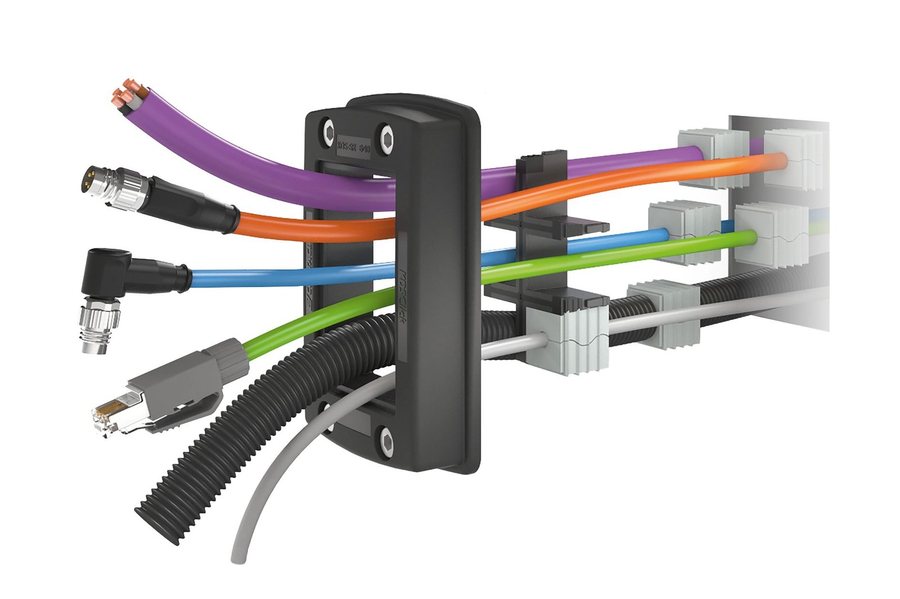
Conta-Clip KDS split cable entry
A pre-terminated cable goes through the wall whole, so no connector is cut off and re-terminated.
The printed fact. One frame in place of a row of glands, seals swapped from outside. IP66 and UL Recognized.
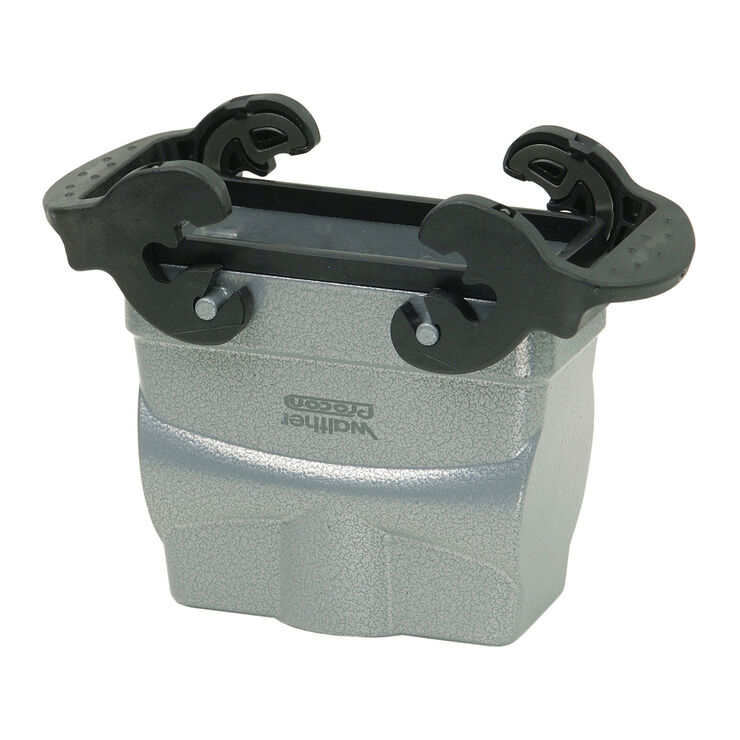
Walther Procon heavy-duty rectangular connectors
A machine that ships in sections goes back together on the customer's floor without a wiring crew.
The printed fact. Mate the inserts, snap the hood and energize. Inserts for power, signal and Ethernet in one frame.