A DC bus never crosses zero. When a contactor opens under a DC load, the arc that forms between the parting tips does not go out on its own; the...
Read More

Opens mobile navigation.
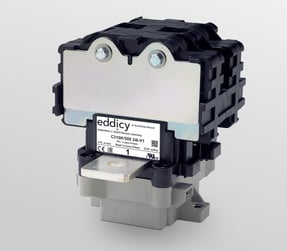
C310 - Bidirectional Current Flow
The same switching rating in both directions.
Single-pole 1,500 V DC contactor. Making capacity to 2,500 A, short-time current 3,000 A for one second without welding, with mirror-contact state feedback to the controller (DIN EN 60947-4-1).
- How it differs
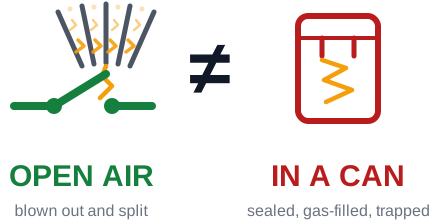
BESS, EV packs, and bidirectional charging push current both ways. The C310 switches it both ways without derating. Gas-encapsulated contactors generally can't.
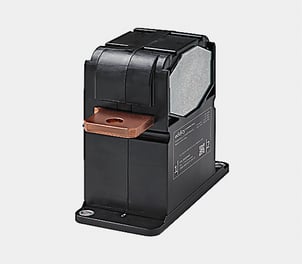
C800 Series
6,000 A making capacity, for the moment the contacts close.
Heavy-duty DC contactor family for megawatt-scale systems. The number that matters here is the making rating: what the contactor can close onto without welding shut.
- How it differs
Most datasheets lead with continuous current. But contactors die at the make, closing onto capacitive inrush or a standing fault. A 6,000A making rating is a different class of survivability.

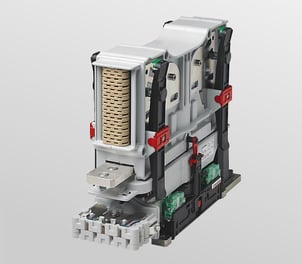
CP / CT Series
High-voltage DC contactors with replaceable contacts.
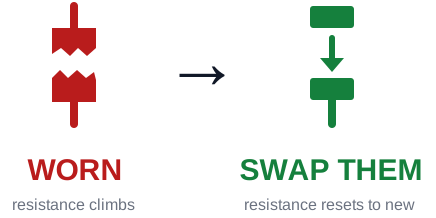
DC contactors rated to 3,000 V, built on the contact systems Schaltbau developed for rail traction. The contact sets are serviceable: open the device, inspect the wear, replace the contacts, and contact resistance is back to new.
- How it differs
In a sealed contactor, worn contacts mean replacing the whole device, and you can't see the wear coming. Here the wear part is the contact set, not the contactor. Different cost curve, and no guessing about remaining life.


Want a second opinion on your switching design?
Send us your voltage, current, and duty cycle. We'll tell you whether Schaltbau fits, and which series to look at if it does.

Additional Insight
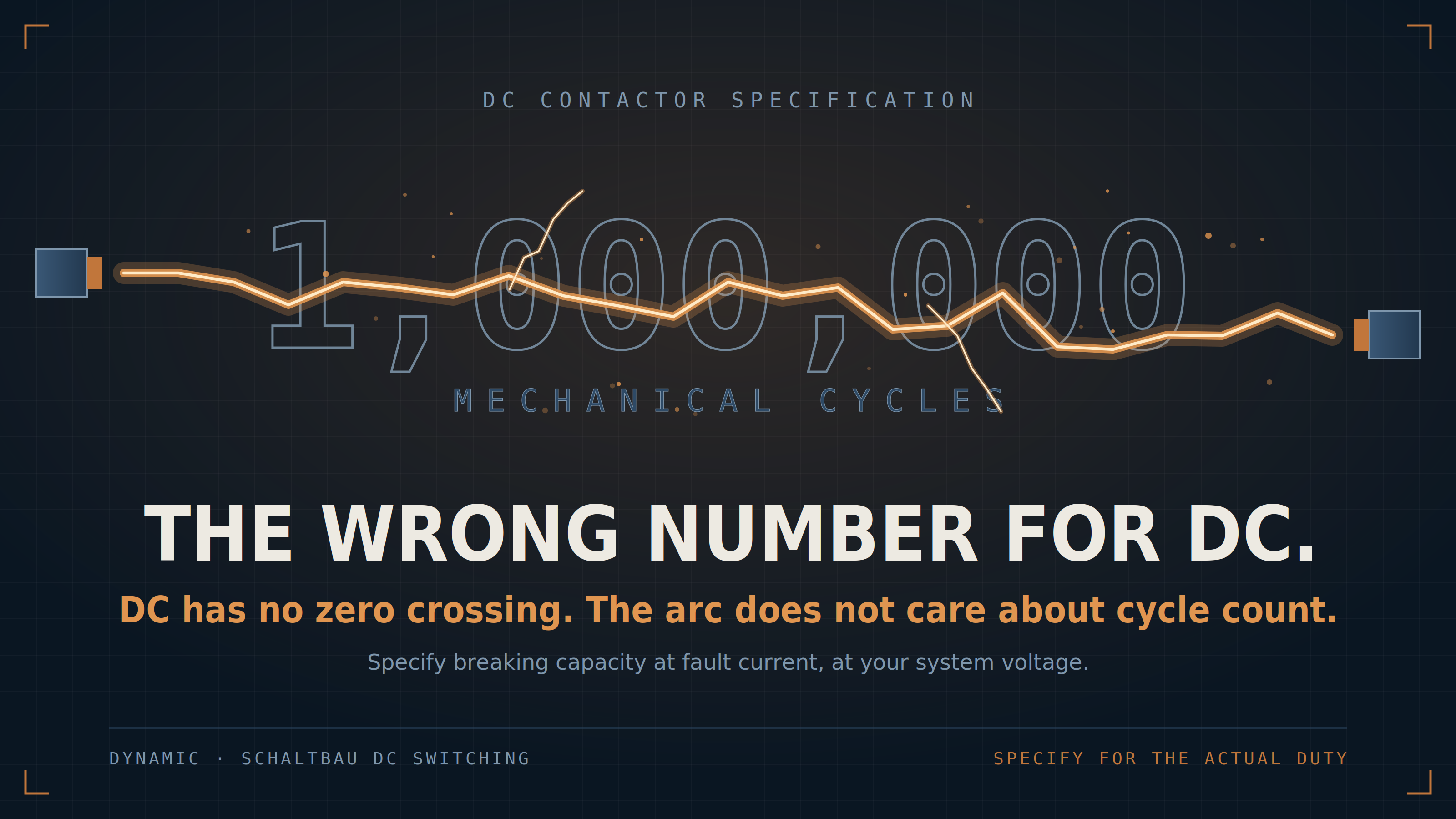
DC contactor datasheets lead with the cycle count. It is the first number engineers compare, and it carries an implied weight of reliability that it...
Read More
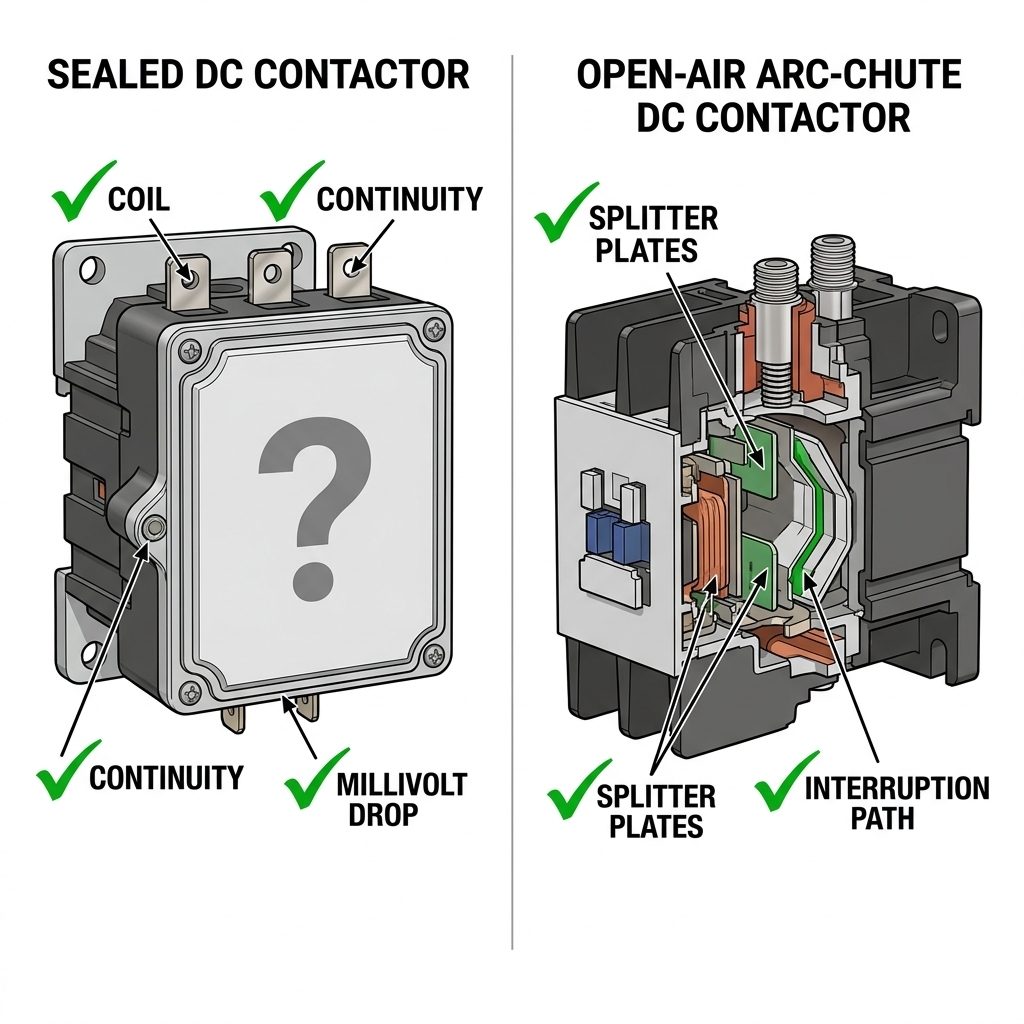
Your meter says the contactor is fine. Whether it can still break a 1,500-volt DC arc is a different question and nothing on the outside will tell...
Read More
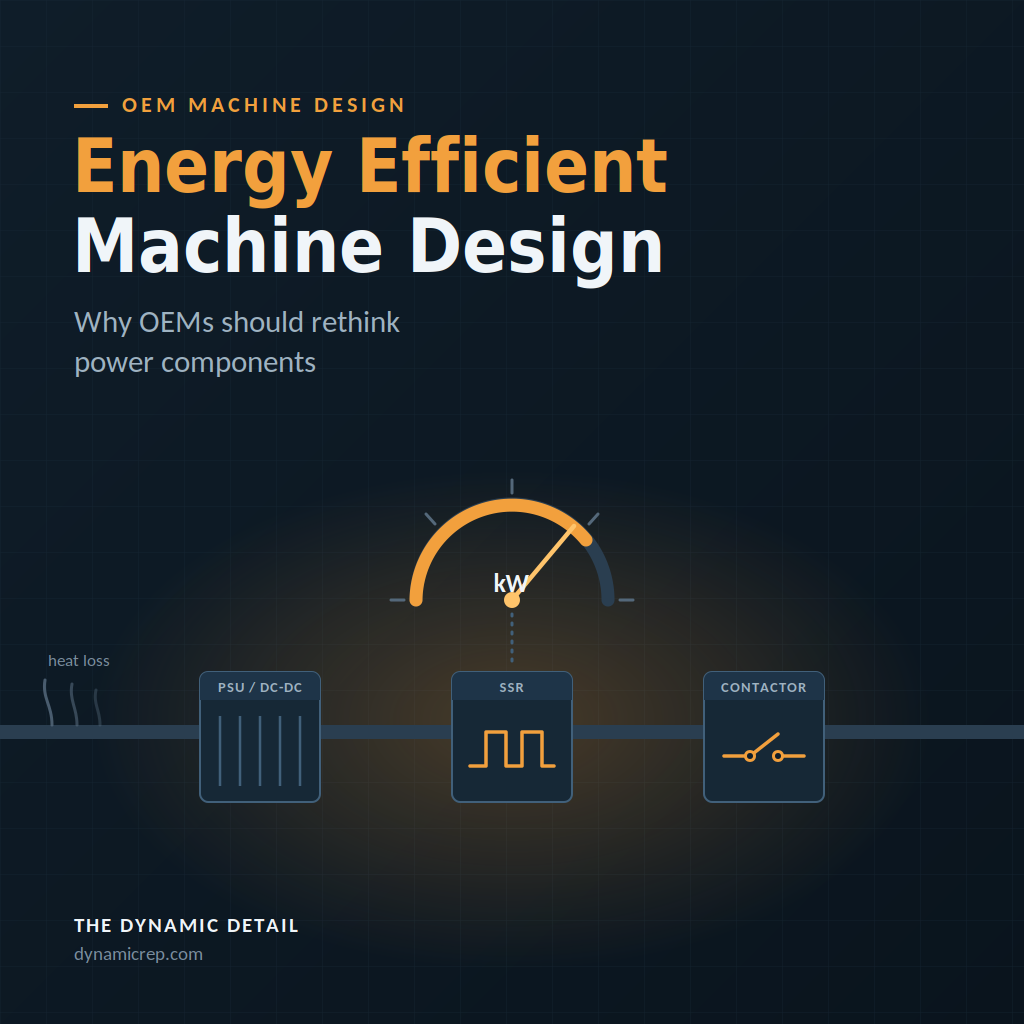
Energy efficiency has long been treated as someone else's problem. The facility team monitors the utility bill. Operations looks for waste on the...
Read More