
How do you get data off a machine without reopening the controller?
The customer asks for production data after the machine is built. The data path belongs on the drawing: remote I/O beside the controls, a serial port on the network, a switch made for the panel, and a meter at the entry.
The parts that answer it
Power it. Control it. Prove it.One part per decision, each with one fact from its own sheet. The brand name opens that product line.
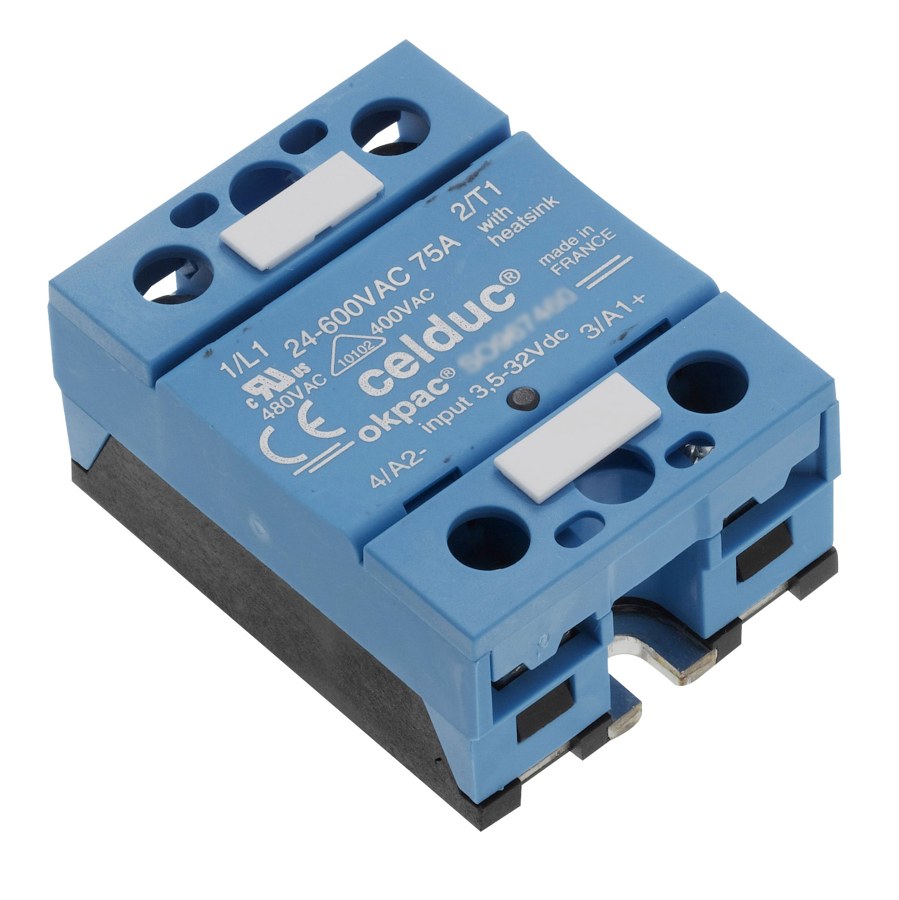
Celduc SOD and SILD solid state relays
A relay that reports its own state turns a service call into a diagnosis.
The printed fact. SOD and SILD versions report heater diagnostics. Single to four phase SSRs in okpac and celpac packages sit beside them.
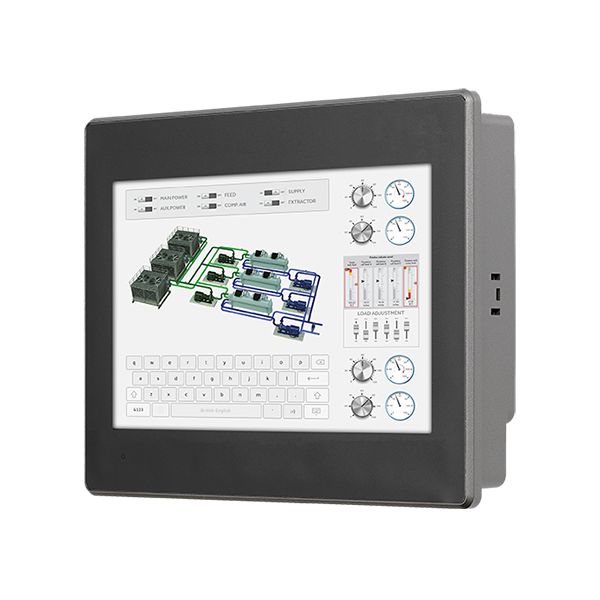
IMO iView HMIs and GETT InduSmart panel PCs
The data the machine collects is read at the machine, on a screen built for the floor.
The printed fact. iView operator interfaces on the same ecosystem as the IMO logic. InduSmart panel PCs from 10.1 to 21.5 inches, IP65 front, fanless, Windows or Linux.
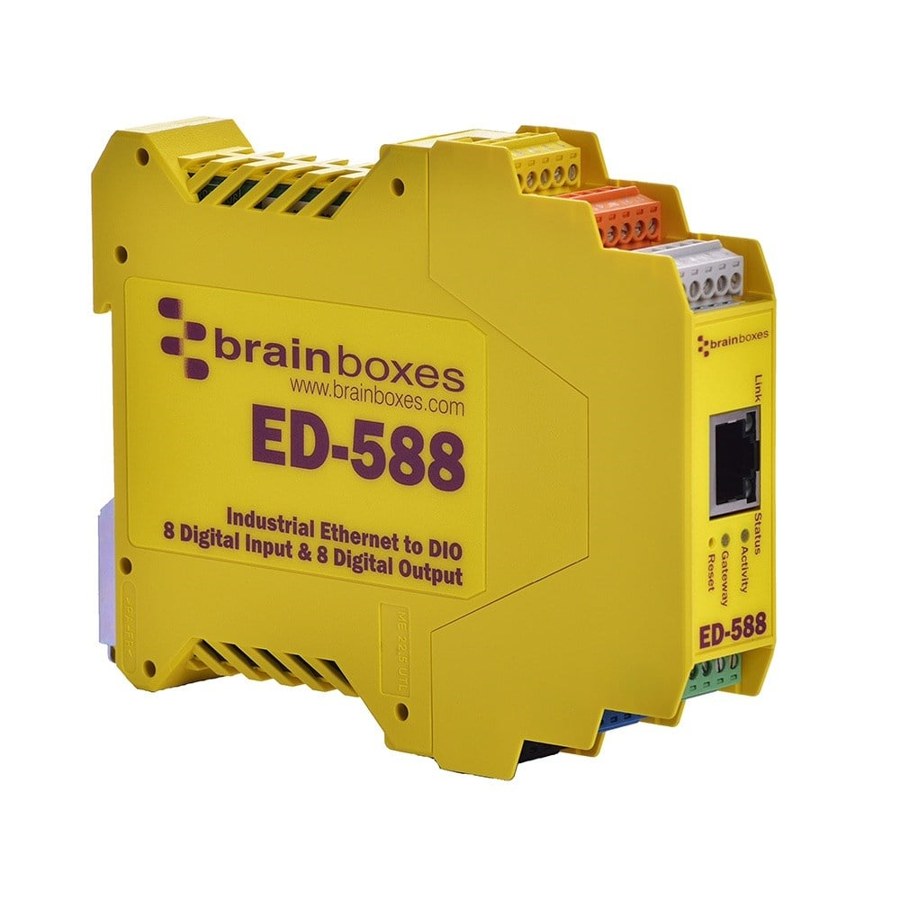
Brainboxes ED Ethernet remote I/O
States, counts and temperatures come off the machine with the controller untouched.
The printed fact. Analog, digital, RTD and thermocouple inputs presented as Modbus TCP devices your own software polls. A pushbutton or a foot switch is a digital input too.
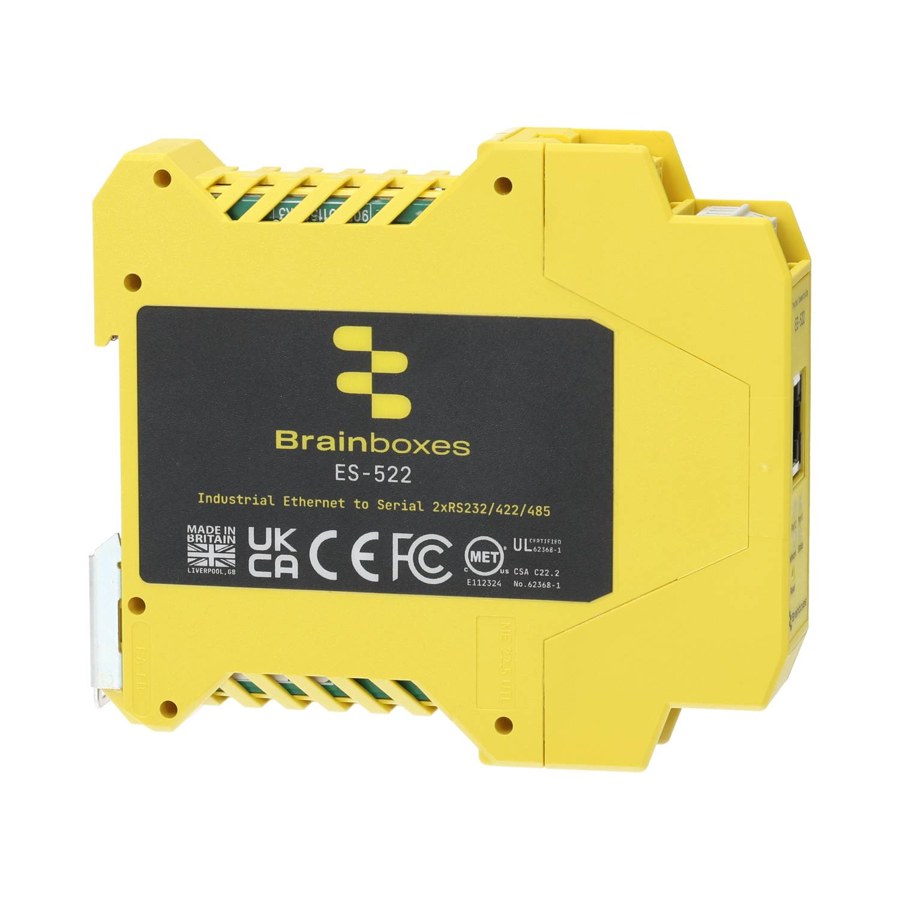
Brainboxes Ethernet to serial converters
An instrument with only a serial port joins the network, and nothing in the software changes.
The printed fact. PoE, DB9 and industrial versions. The plant PC still sees the same COM port.
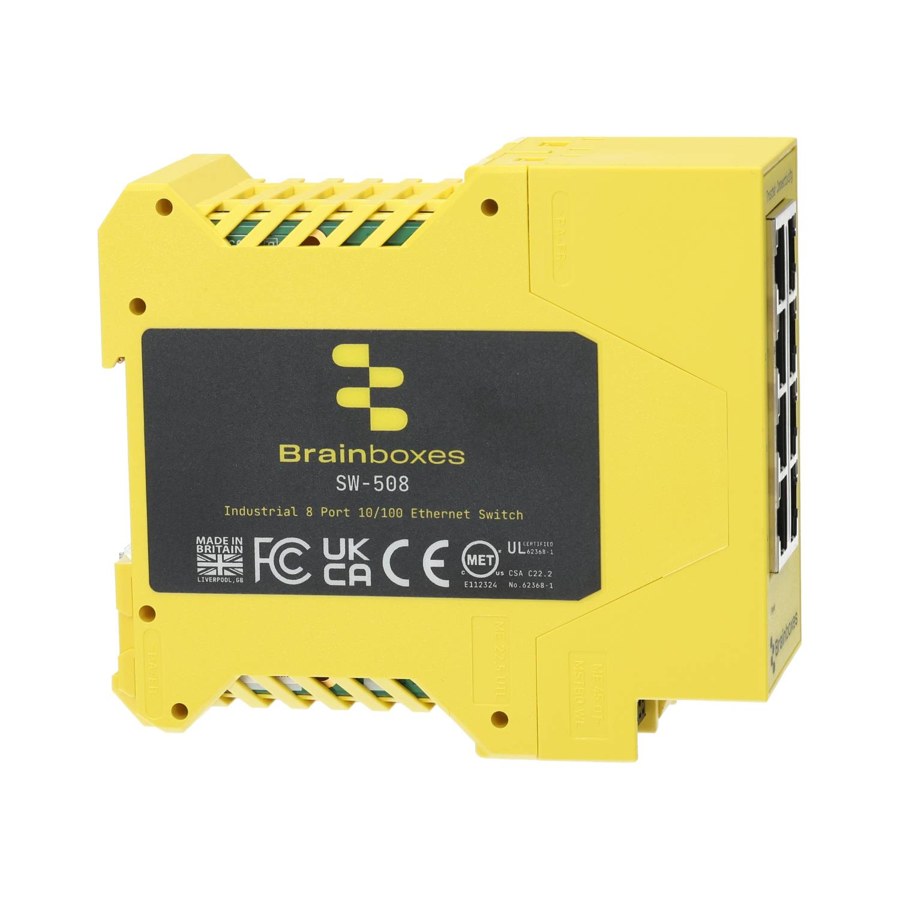
Brainboxes industrial and board-level Ethernet switches
The switch in the panel takes the heat and the vibration. The one inside your product is a board.
The printed fact. Fast Ethernet, gigabit and PoE, 4, 5 and 8 port. Board-level switching 55 by 55 by 10 millimeters, rated -40 to +85 C.
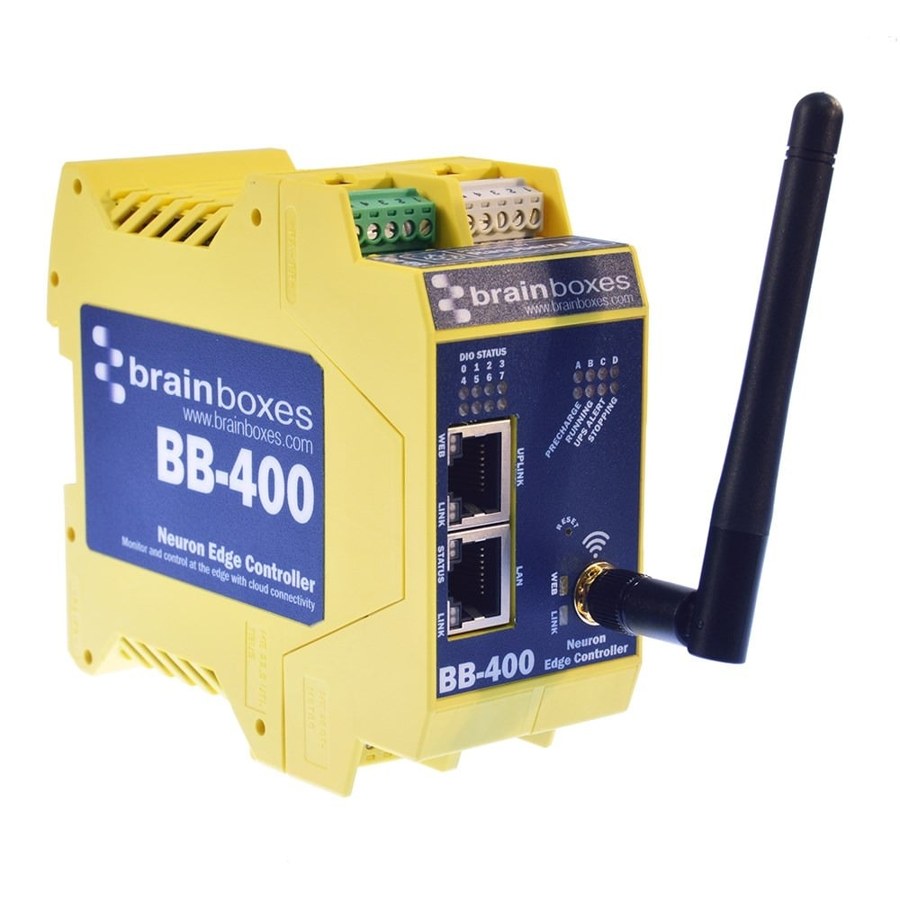
Brainboxes BB-400 edge controller
The counting, buffering and protocol work go beside the PLC, not into it.
The printed fact. A Raspberry Pi based industrial edge computer with I/O, serial and Ethernet on one DIN-rail unit.
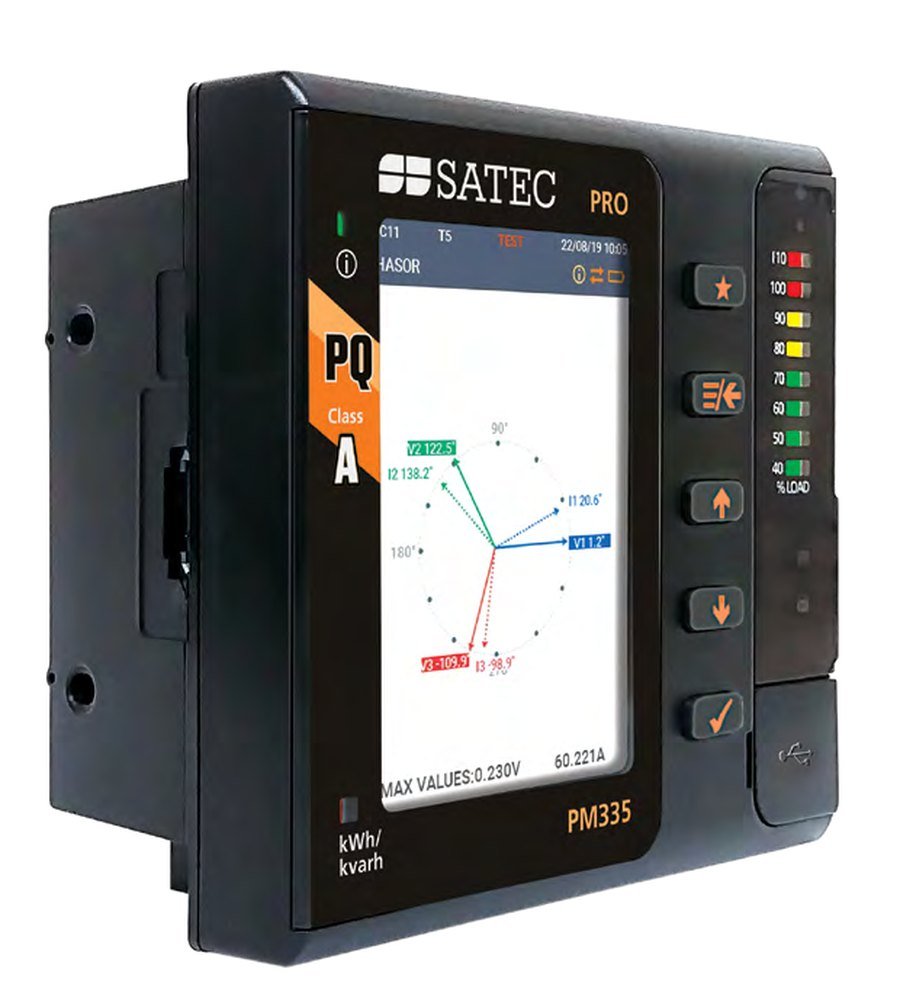
SATEC PRO series meters
The kWh per cycle a customer asks for is measured, not modeled.
The printed fact. A Class 0.2S revenue meter and a Class A Edition 3.1 power quality analyzer in one device, with every event stamped to 1 microsecond.
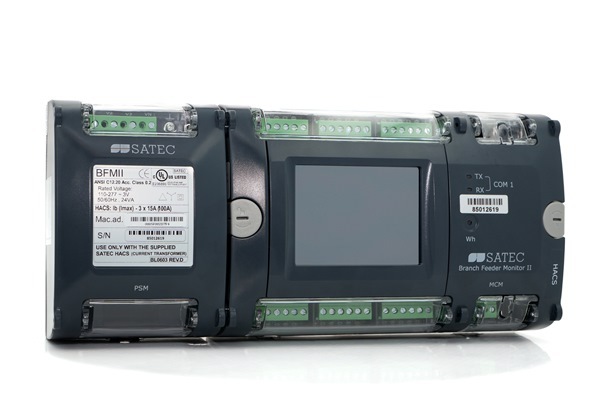
SATEC BFM-II branch feeder monitor and HACS sensors
Each branch gets its own kWh, added after commissioning if it has to be.
The printed fact. Up to 54 single-phase or 18 three-phase circuits from one DIN-rail unit. HACS sensors feed the meter directly, one CT in the chain instead of two.
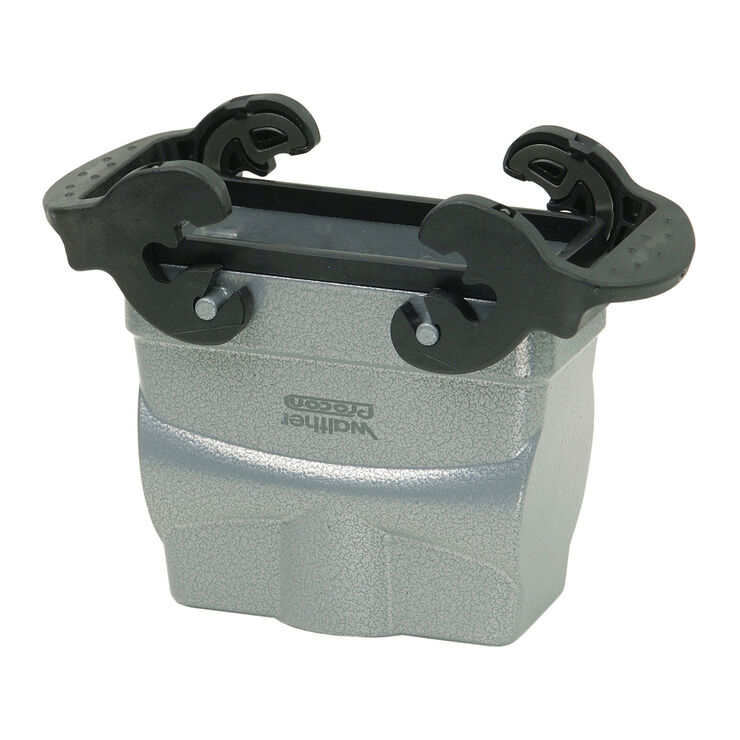
Walther Procon heavy-duty connectors
The Ethernet crosses the machine split in the same hood as the power and the signals.
The printed fact. Inserts for power, signal and Ethernet in one frame. Mate the inserts, snap the hood and energize.