Screw, Spring or Push-in: Choosing a DIN-Rail Terminal Block Type
The short answer The usual reason to move from screw to push-in is wiring labor on a repeat build, and the usual reason to stay is the people who...Read More

The Detail
Field notes on power, control, data connectivity, system reliability and physical integrity.
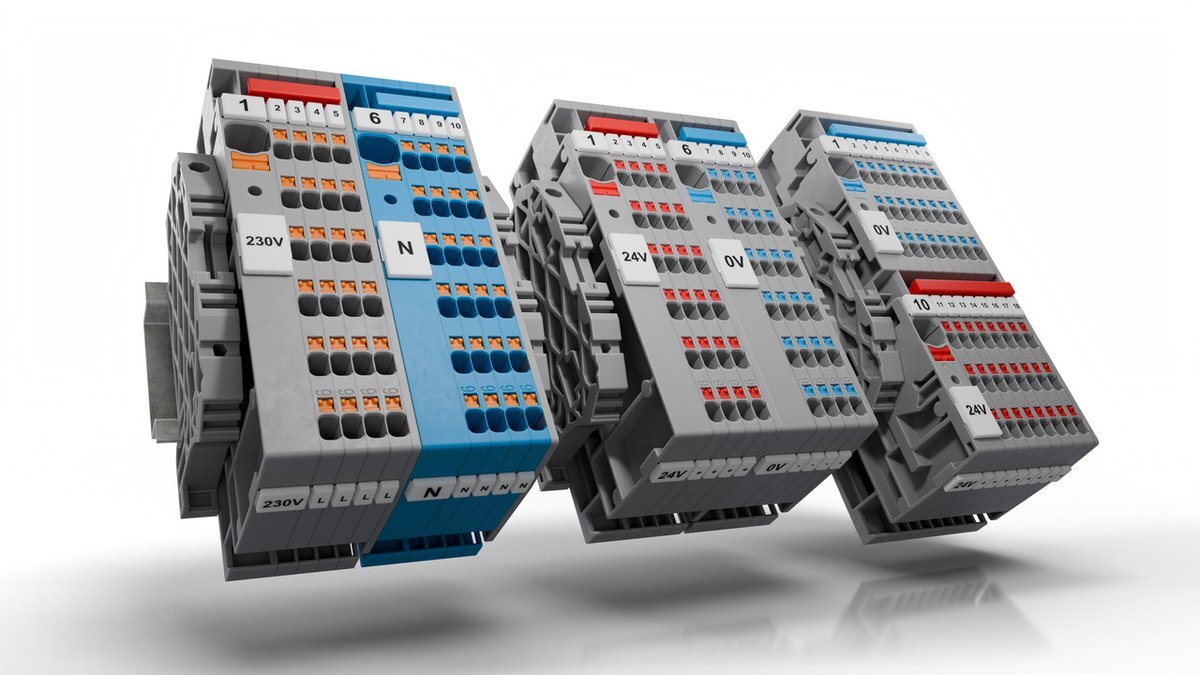
The short answer The usual reason to move from screw to push-in is wiring labor on a repeat build, and the usual reason to stay is the people who...Read More

The short answer Brainboxes Ethernet remote I/O and Ethernet to serial devices mount on the DIN rail beside the PLC and put the station's signals on...Read More
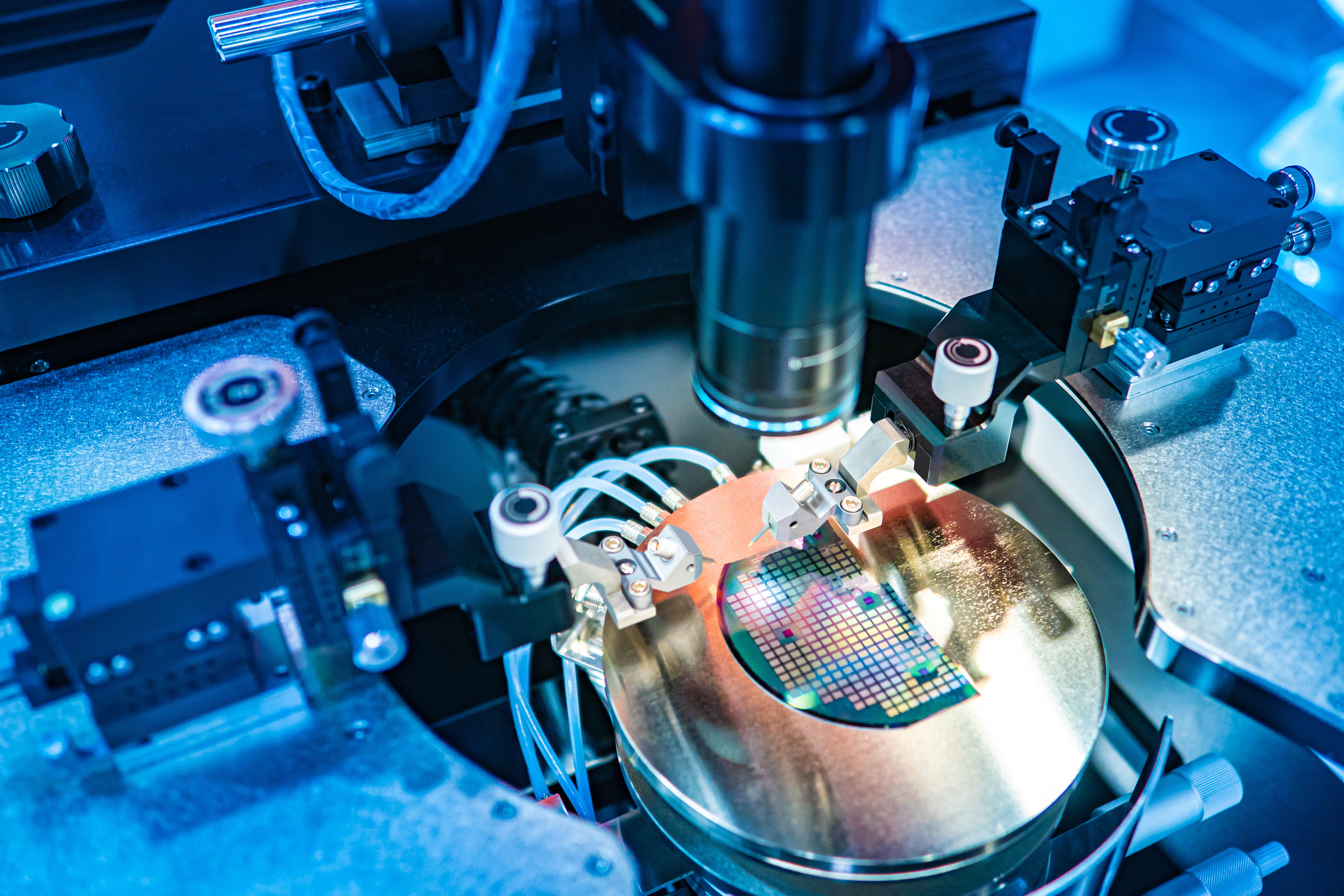
The short answer A UL Mark means UL evaluated representative samples of a product against a published Standard for Safety and then keeps auditing...Read More
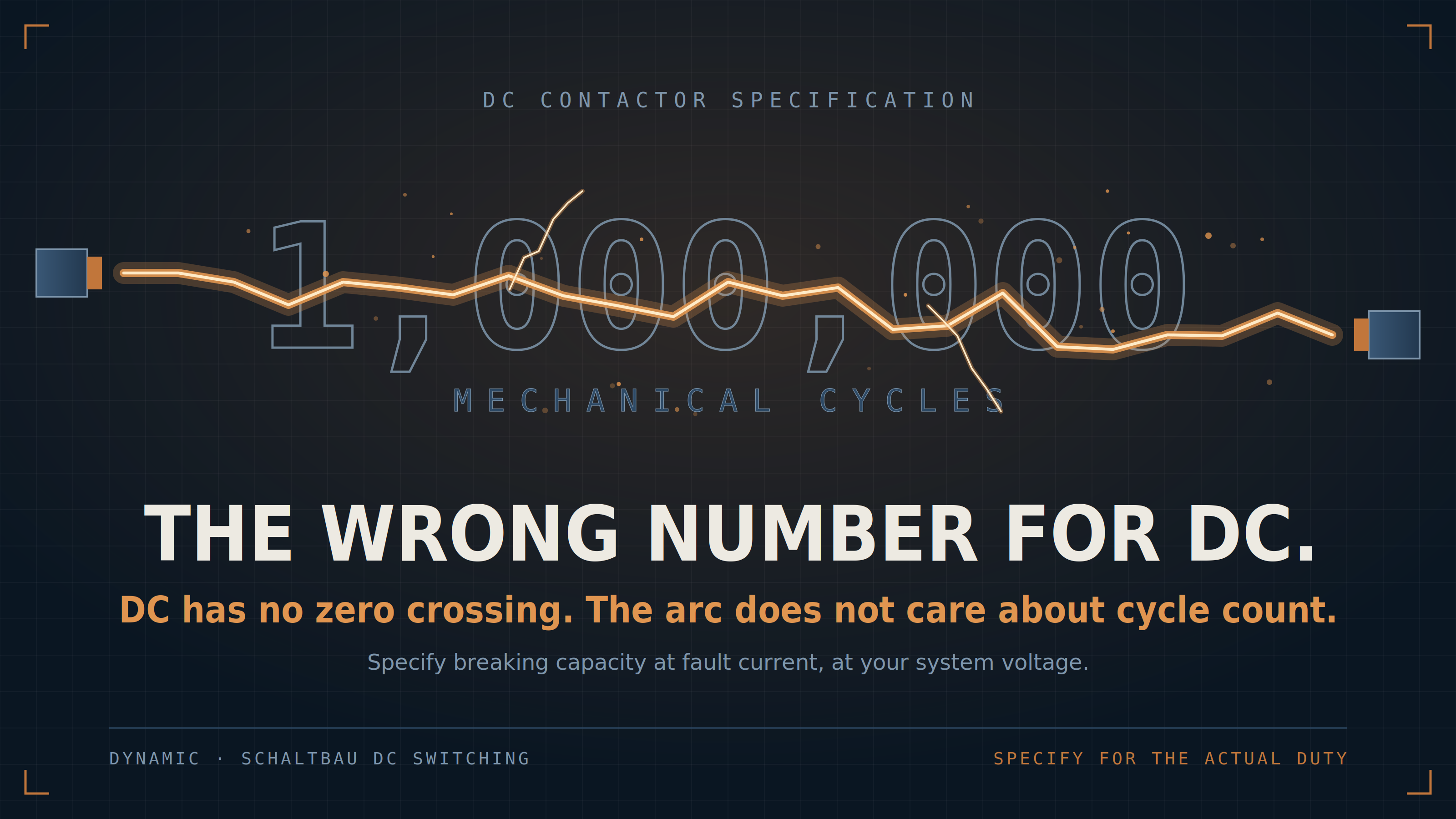
The short answer When a DC contactor is evaluated first on cycle count, it is being judged against a motor-control criterion that no longer applies....Read More
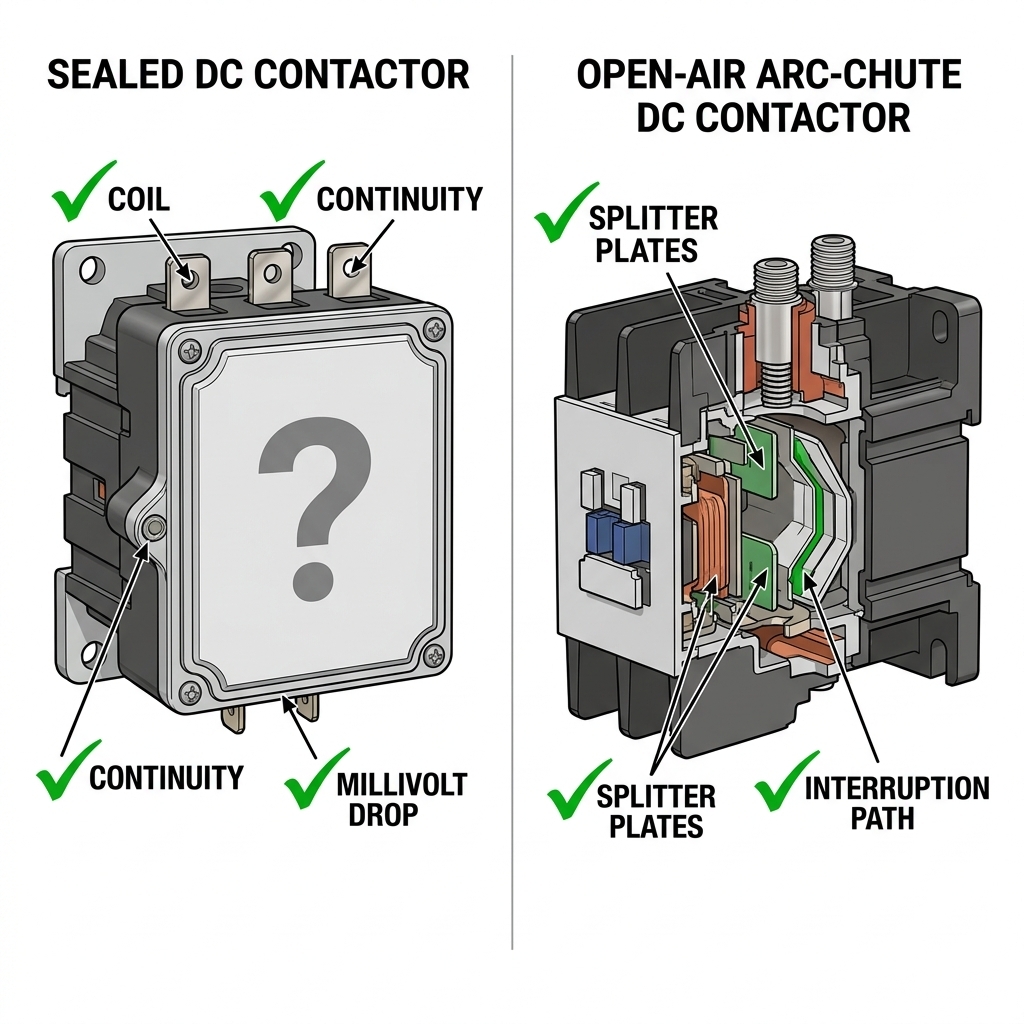
The short answer The conduction path is robust and easy to verify. The interruption medium, the pressurized inert gas inside the sealed volume, is...Read More
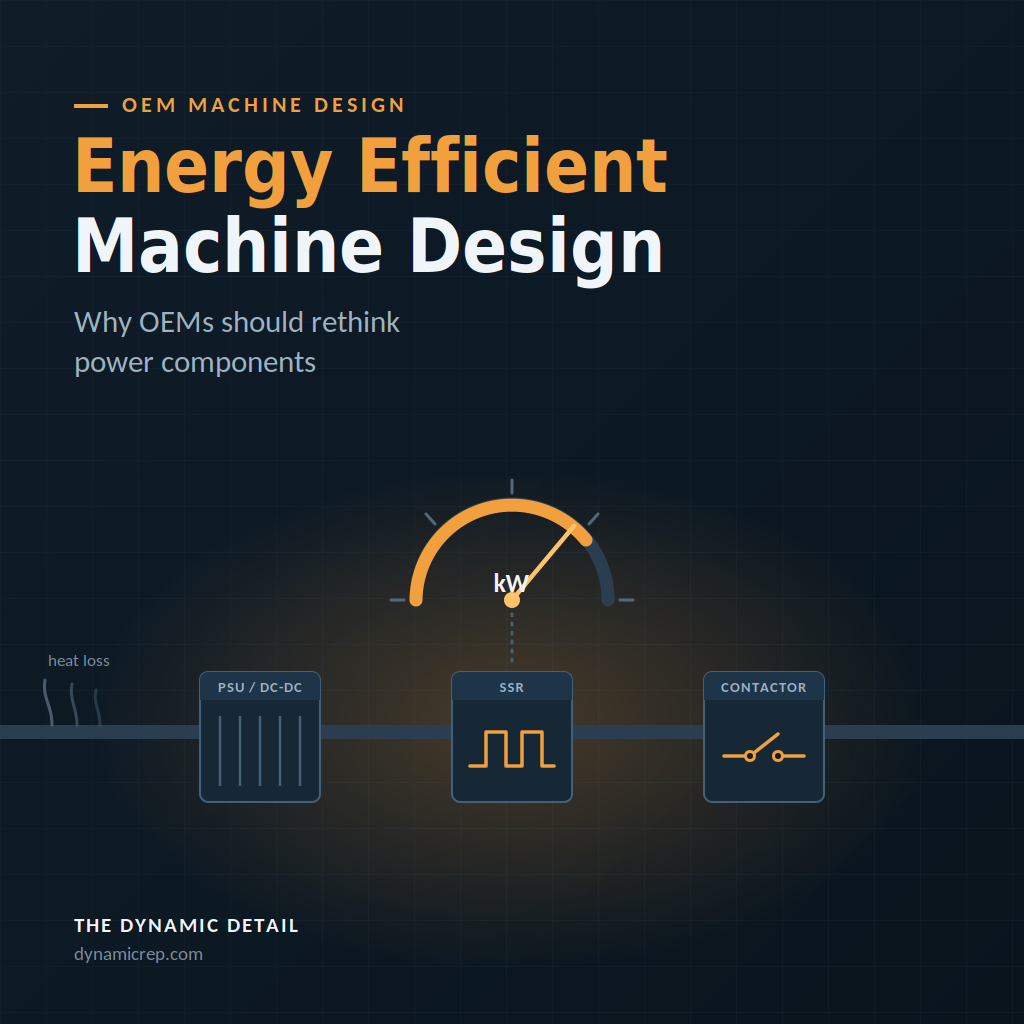
The short answer Power supplies, converters, contactors, solid-state relays, circuit protection devices, disconnect switches, terminal systems, and...Read More
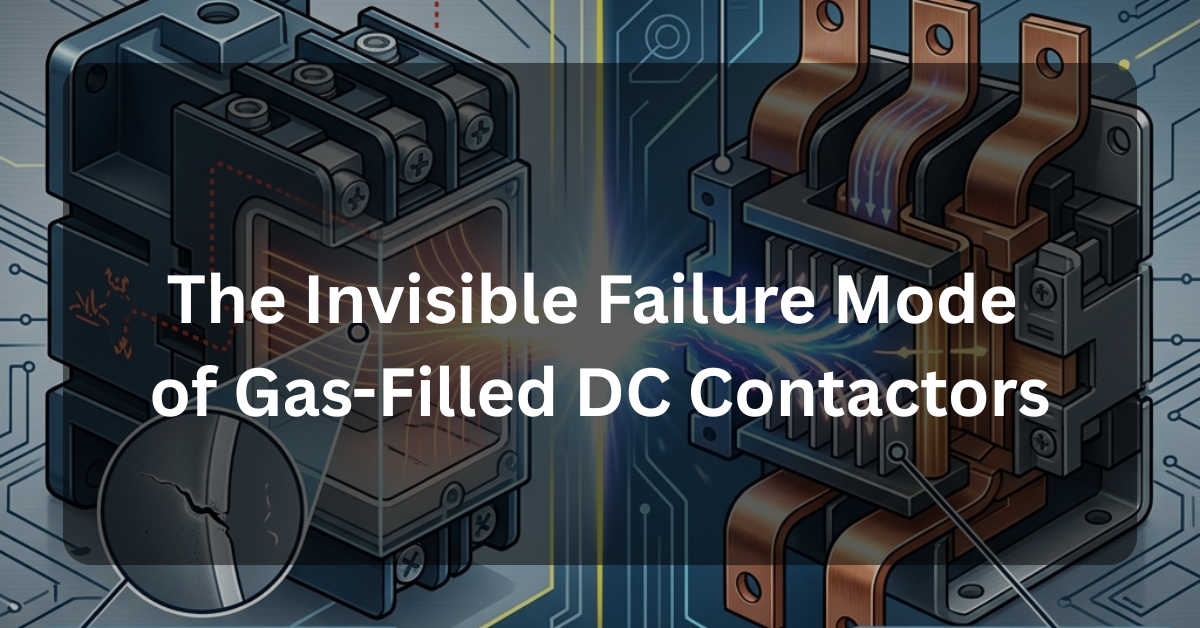
The short answer The core assumption behind a gas-filled DC contactor is simple: the sealed chamber remains intact for the life of the device. But...Read More
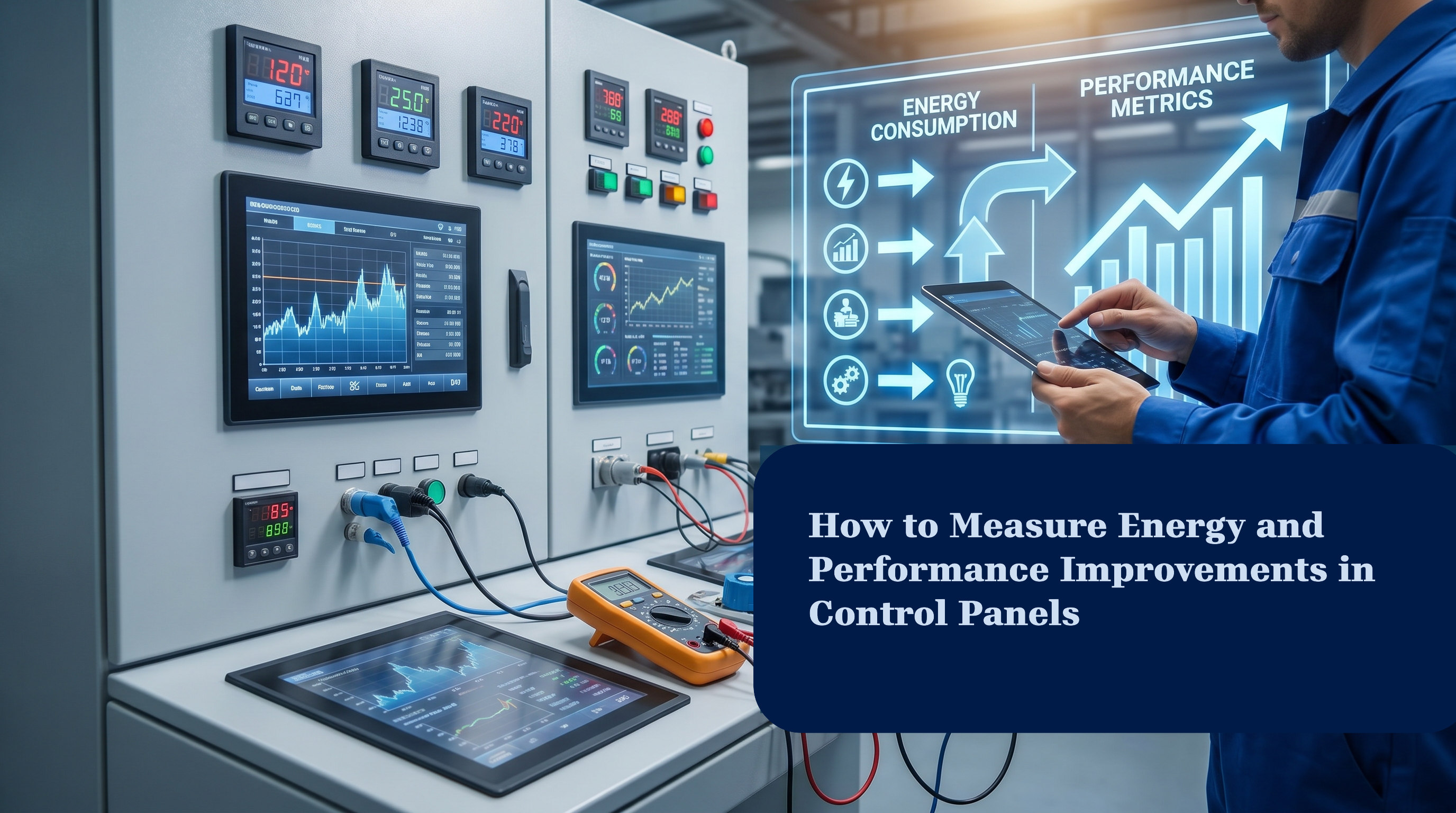
The short answer If the goal is to prove improvement, measurement must be specific. Teams need KPIs they can trend, compare, and defend over time.Read More
The short answer Sustainability becomes tangible only when it changes how a panel is designed, built, operated, and maintained. A system that lasts...Read More
High-volume packaging operations demand speed, precision, and uptime. For OEMs and control engineers, the challenge is to design equipment that meets...Read More