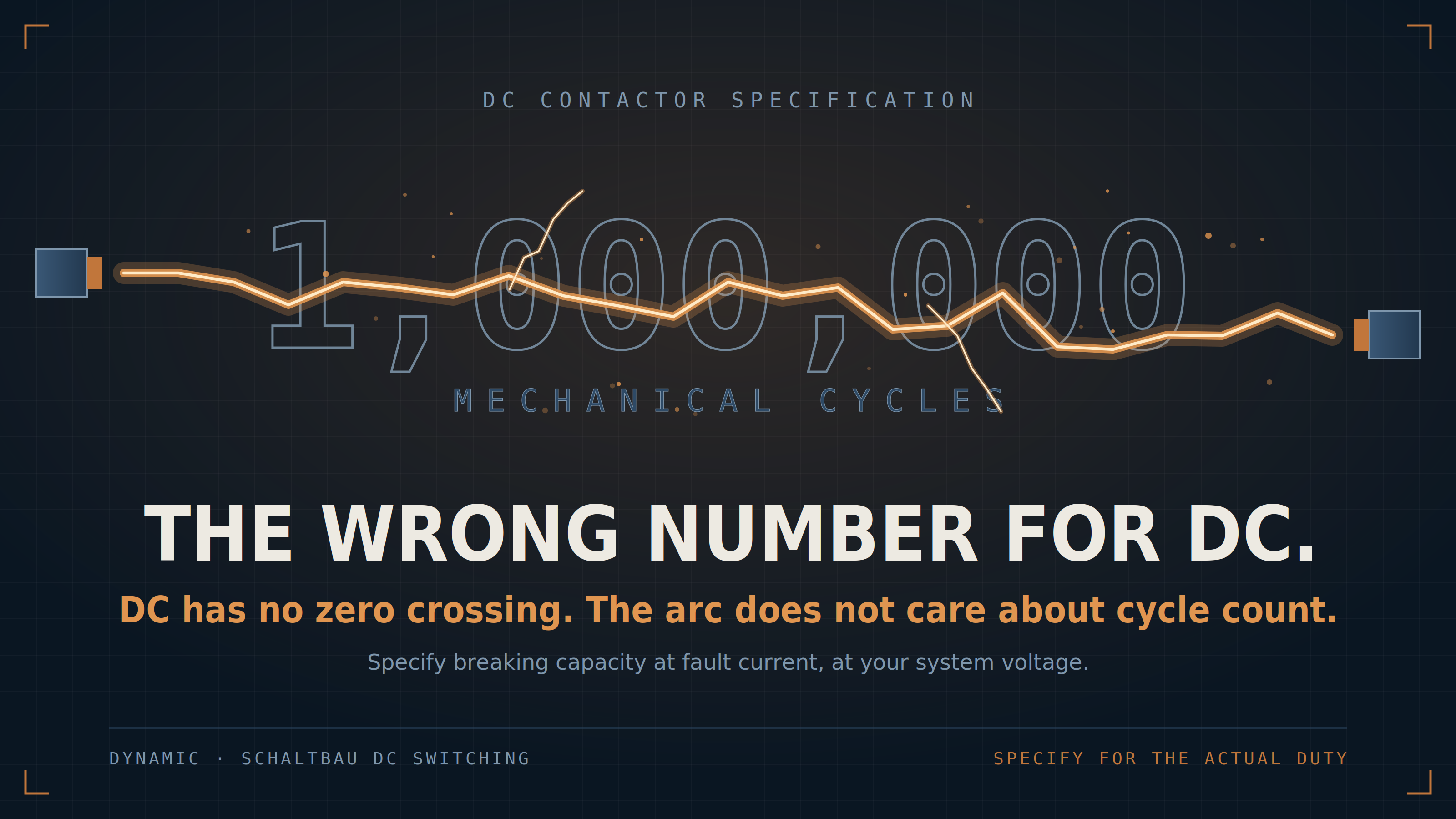
A gas filled DC contactor can pass inspection and still lose the very condition that makes it safe to interrupt DC power.
It may look fine from the outside. The coil may energize. The contacts may close. It may even carry current without complaint. But if the sealed chamber has lost gas through a microcrack, terminal stress, thermal cycling, or handling damage, the contactor may no longer interrupt a high energy DC arc the way the datasheet assumes it will.
That is the invisible failure mode many teams miss. In this article, we will examine why that happens, where the risk begins, and why open air electromagnetic blowout designs such as Schaltbau DC contactors up to 3000V and 2000A deserve serious attention in safety critical DC systems.
Gas-Filled DC Contactors Depend on a Hidden Assumption
The core assumption behind a gas-filled DC contactor is simple: the sealed chamber remains intact for the life of the device.
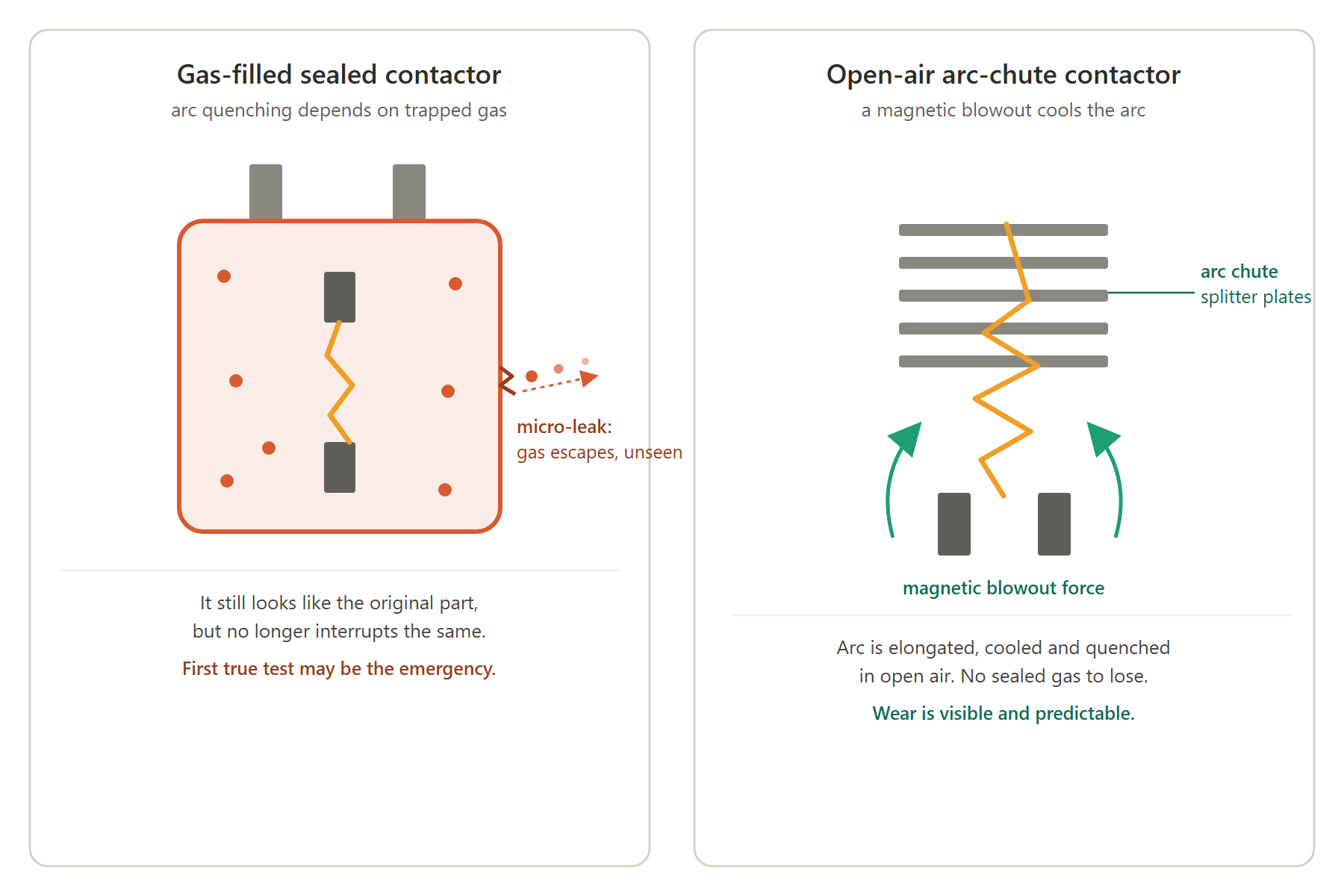
That assumption matters because the gas is not just packaging. It is part of the arc extinguishing system. In a sealed design, the internal gas environment helps suppress and extinguish the arc during opening. If that environment changes, the contactor may no longer behave like the tested device on the datasheet.
This is the first trap. Engineers often evaluate the part number, ratings, duty cycle, and coil data, then assume the fielded unit remains functionally equivalent to the one that passed qualification. But if gas escapes, the contactor may still resemble the original product while no longer delivering the same interruption performance.
For low stress switching, that degradation may stay hidden. For emergency interruption, it can become the defining failure.
The Failure May Start Before the System Ever Runs
A sealed gas contactor can be compromised before it ever switches load.
Shipping impact, accidental drops, rough handling during panel build, side loading at the terminals, or stress from rigid busbars can all introduce damage. Often, that damage does not look dramatic. A hairline crack near a molded interface may go unnoticed during receiving inspection and still create a slow leak path over time.
This matters because the damage mechanism and the operational failure may be separated by weeks or months. A unit can arrive, pass basic checks, get installed, and appear healthy during startup. Then later, after vibration and thermal cycling, the internal condition drifts farther from the original design state.
In other words, the failure can begin long before the system sees its first serious DC interruption event.
Terminal Torque Is a Seal Risk, Not Just a Mechanical Issue
Terminal torque is usually treated as a connection-quality issue. That is only part of the story.
On many sealed contactors, the power terminals are molded into the body. When that is true, over torque is not just hard on the stud or the joint. It can load the sealing structure itself. Excess torque, poor busbar flatness, rigid conductors, or bending loads from misalignment can all stress the molded terminal interface.
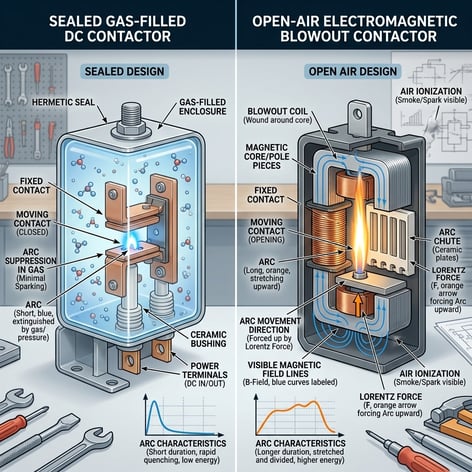
Why this matters in sealed designs
A terminal can remain electrically connected while the surrounding structure develops a small crack or weak point. The crack may not be visible. The contactor may continue to pull in, pass continuity checks, and operate under light load.
But the internal chamber may no longer be sealed as intended.
That makes terminal installation a much deeper engineering issue. In sealed gas-filled designs, mechanical stress at the power connection can become a direct threat to the arc-control environment.
What engineers should watch for
Common warning conditions include:
- Over-torqued power studs
- Rigid busbars imposing bending force on the terminals
- Misalignment that creates side load during assembly
- Mounting that transfers vibration into the contactor body
- Rework that repeatedly loads the terminal interface
In high current systems, added heating at the terminal can make the situation worse. Heat expansion, material fatigue, and vibration can all grow a marginal flaw into a leak path.
Heat Makes the Hidden Failure More Likely to Show Up
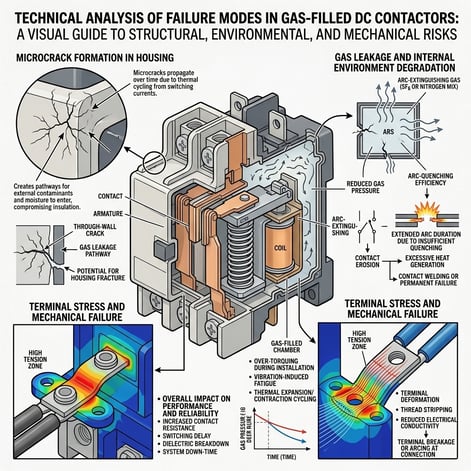
A marginal seal may survive the bench, then fail in the cabinet.
High current DC systems create heat at the terminals, contacts, and surrounding structure. Repeated switching cycles and sustained load generate thermal expansion and contraction. If the contactor body already has a small weakness, those temperature swings can widen it over time.
Gas-filled designs are especially exposed to this risk because the internal environment depends on containment. Gas expands with temperature. Mechanical interfaces move. Plastics, metals, and seals expand at different rates. What looked stable during installation may shift after months of operation.
This is why some failures appear late. The contactor is not necessarily damaged by one dramatic event. Sometimes it degrades through repeated thermal stress until the internal pressure or gas volume is no longer what the design requires.
The result is a silent reduction in interruption confidence.
The Worst Time to Discover Gas Loss Is During an Emergency Break
In many HVDC systems, the main contactor spends most of its life closed.
It carries current. It supports normal operation. It may not be asked to interrupt serious current until a fault, service disconnect, emergency stop, crash condition, or abnormal power event occurs. That means the first true test of the arc-extinguishing chamber may happen at the exact moment failure is least acceptable.
For many safety applications, the contactor does not get many practice runs. It is expected to work when the system is already in trouble.
That is what makes silent gas loss so dangerous. A degraded sealed contactor may continue to appear healthy during ordinary use, then fail when asked to perform its most important function: interrupting a high-energy DC event without welding or losing control of the arc.
A Gas-Filled DC Contactor Can Fail Silently
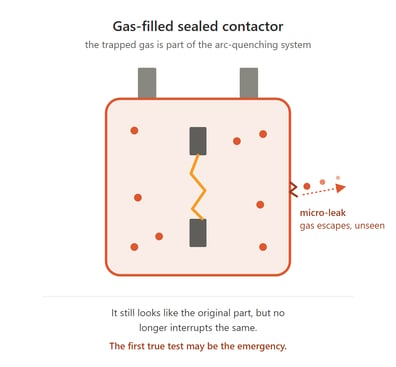
This failure mode is difficult because common checks do not prove the one thing that matters most.
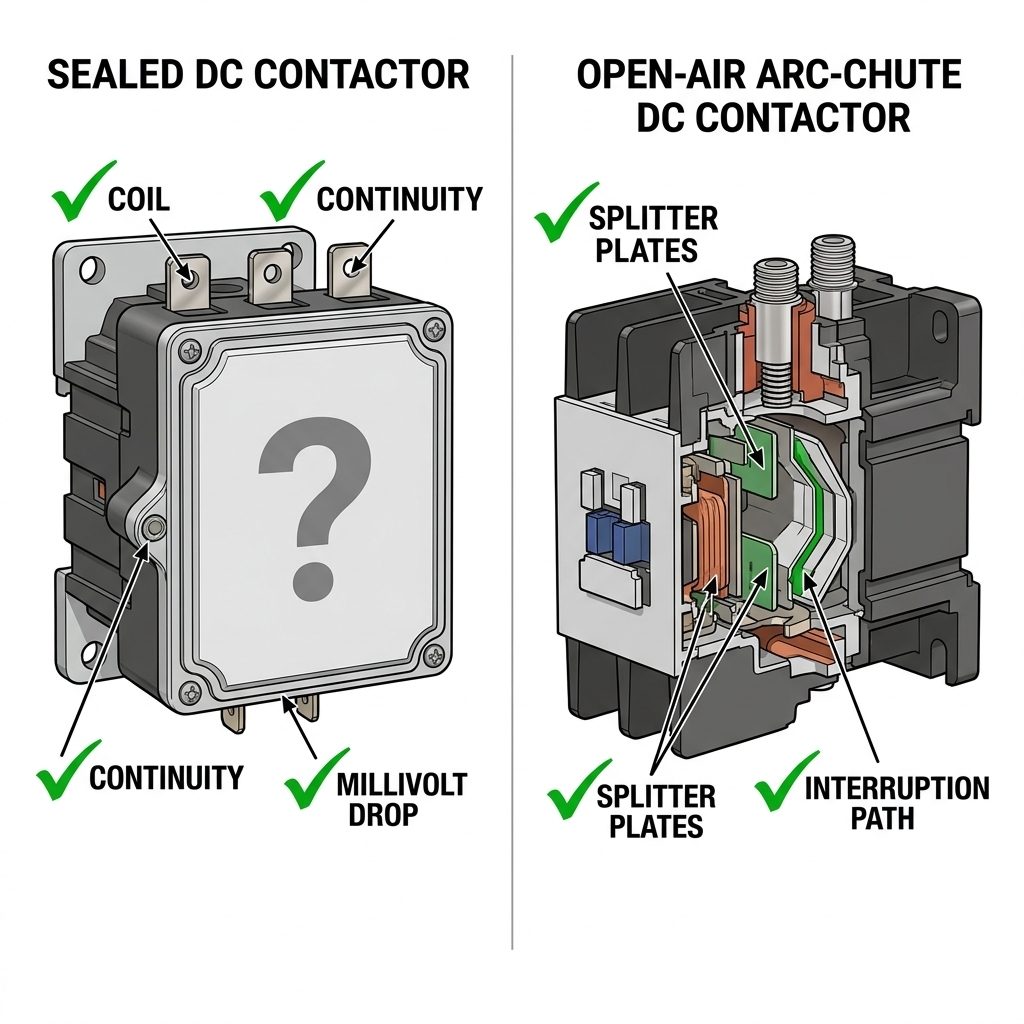
Visual inspection may not reveal gas loss. Coil operation does not prove arc breaking capability. Continuity does not confirm chamber integrity. Low current switching does not validate high-current DC interruption. Operation counts do not tell you whether the internal gas environment is still intact.
So the system can develop false confidence.
A sealed gas contactor can appear electrically alive while being functionally compromised for the one job that matters most. For OEMs and machine designers, that creates a serious diagnostic blind spot. You may believe the isolation device is healthy because the easy checks pass, while the actual emergency-interruption mechanism has already drifted away from its tested condition.
Other DC Contactor Failure Modes Still Matter
Gas loss is not the only failure mode in DC switching. It is the hidden one.
Engineers still need to account for:
- Contact welding during inrush
- Contact bounce under demanding switching conditions
- Polarity sensitive behavior in some blowout schemes
- Magnetic repulsion or contact lift at high current
- Terminal heating from poor joints or misalignment
- Internal debris and insulation resistance loss
- Overpressure or catastrophic behavior beyond design limits
These risks do not disappear just because a device is sealed. In fact, if a sealed contactor also suffers gas loss, diagnosis gets harder because the visible symptoms may lag behind the true degradation.
That is why part selection in DC power systems should focus on failure behavior, not just catalog ratings.
Why Open-Air Electromagnetic Blowout Contactors Are Different
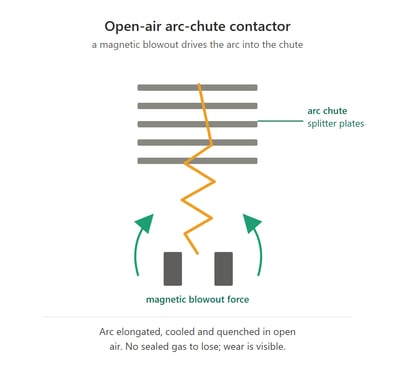
This is where design philosophy matters.
Schaltbau DC contactors up to 3000V and 2000A are built for demanding AC and DC switching applications, with particular strength in high-energy DC interruption. Their key advantage is not just rating range. It is the arc-control method.
Schaltbau uses open air, arcchute technology in electromagnetic blowout designs. Instead of relying on a sealed gas chamber to preserve an invisible internal environment, these devices actively drive the arc into an arc chute where it is elongated, cooled, and extinguished under controlled conditions.
Why that reduces uncertainty
Open-air electromagnetic blowout contactors do not depend on trapped gas pressure for their core arc-extinguishing function. That removes a major hidden variable.
The design offers several engineering benefits:
- High breaking capacity at elevated DC voltage and current
- Predictable wear behavior over time
- Better fit for demanding duty cycles and fault conditions
- Support for bidirectional power flow architectures
- Arc management based on magnetic control and arc-chute design, not sealed gas preservation
For teams designing safety-critical power systems, that difference is significant. The contactor is no longer dependent on an invisible chamber condition that may be hard to verify after shipping, installation, and field life.
Schaltbau Products That Support Safer High-Energy DC Systems
A strong DC architecture relies on more than the main contactor. It depends on the full switching and interconnection strategy.
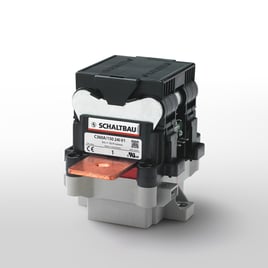 Schaltbau DC Contactors up to 3000V and 2000A
These contactors are the foundation for high-energy DC load breaking and power switching. They are well suited for applications where engineers need controlled interruption, long service life, and predictable behavior in real operating conditions.
For OEMs building battery systems, energy platforms, transportation equipment, charging infrastructure, or heavy industrial power systems, this product family addresses the exact problem discussed in this article: safe interruption of serious DC energy without relying on a sealed gas chamber as the primary arc-control mechanism.
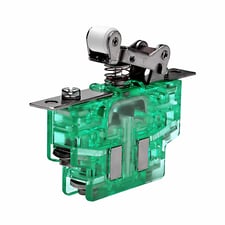 Schaltbau Snap-Action Switches
Schaltbau Snap-action Switches add value where fast, precise mechanical state detection matters. In safety circuits, interlocks, and position feedback applications, rapid switching helps confirm system state and support dependable control logic.
In practical terms, these switches can strengthen the safety layer around the main power-switching path. They do not replace the DC contactor, but they help ensure the machine knows whether critical mechanisms have reached the required position quickly and reliably.
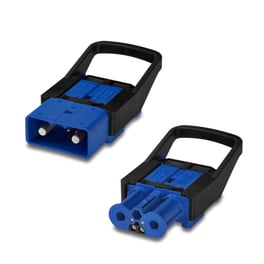 Schaltbau Connectors
Schaltbau Connectors support reliable transmission of energy and signals in harsh environments. That matters because many DC system issues begin at interfaces. Poor connections, mechanical strain, vibration, and environmental exposure can all add resistance, heat, and long-term reliability problems.
A robust connector strategy helps protect the entire architecture. In demanding applications, that means choosing components built for high voltage, rough service, and repeatable performance rather than treating connectivity as an afterthought.
Engineering Questions to Ask Before You Specify a Gas-Filled DC Contactor
Before choosing a sealed gas-filled design for a safety-critical DC application, ask the questions that expose hidden assumptions:
- Can the gas seal be verified after shipping?
- Can it be verified after installation and torqueing?
- Are the terminals molded into the sealed body?
- Can rigid busbars or cable routing impose bending load on the terminal structure?
- What inspection method would detect a hairline crack or leak path?
- What happens to interruption performance if internal gas pressure changes?
- Is the contactor expected to interrupt current regularly or only in emergencies?
- If the emergency break fails, what is the system consequence?
- What happens if the contacts weld closed during a fault event?
- Would an open-air electromagnetic blowout contactor reduce uncertainty in this design?
These questions shift the discussion from nameplate ratings to real-world survivability.
Final Perspective on DC Contactor Failure Modes
For lower-risk applications, gas-filled contactors can be compact and effective when used within their intended limits. But in safety-critical HVDC systems, the real question is not whether the datasheet looked correct at the time of selection.
The real question is whether the fielded device still contains the internal gas environment required to perform like the tested device.
When emergency interruption, high fault current, bidirectional power flow, or guaranteed isolation is central to the design, Schaltbau open-air electromagnetic blowout DC contactors offer a more transparent engineering path. Pairing those contactors with Schaltbau Snap-action Switches and Schaltbau Connectors helps create a DC power architecture built for reliability, visibility, and safer operation under stress.
If your system must interrupt serious DC energy without hidden uncertainty, start by reviewing whether a sealed gas chamber should be part of the safety assumption at all.