
A machine's environmental cost runs for its whole life. It shows up in the energy the machine draws, the heat the panel sheds, the parts that get replaced, and whether anyone measured any of it.
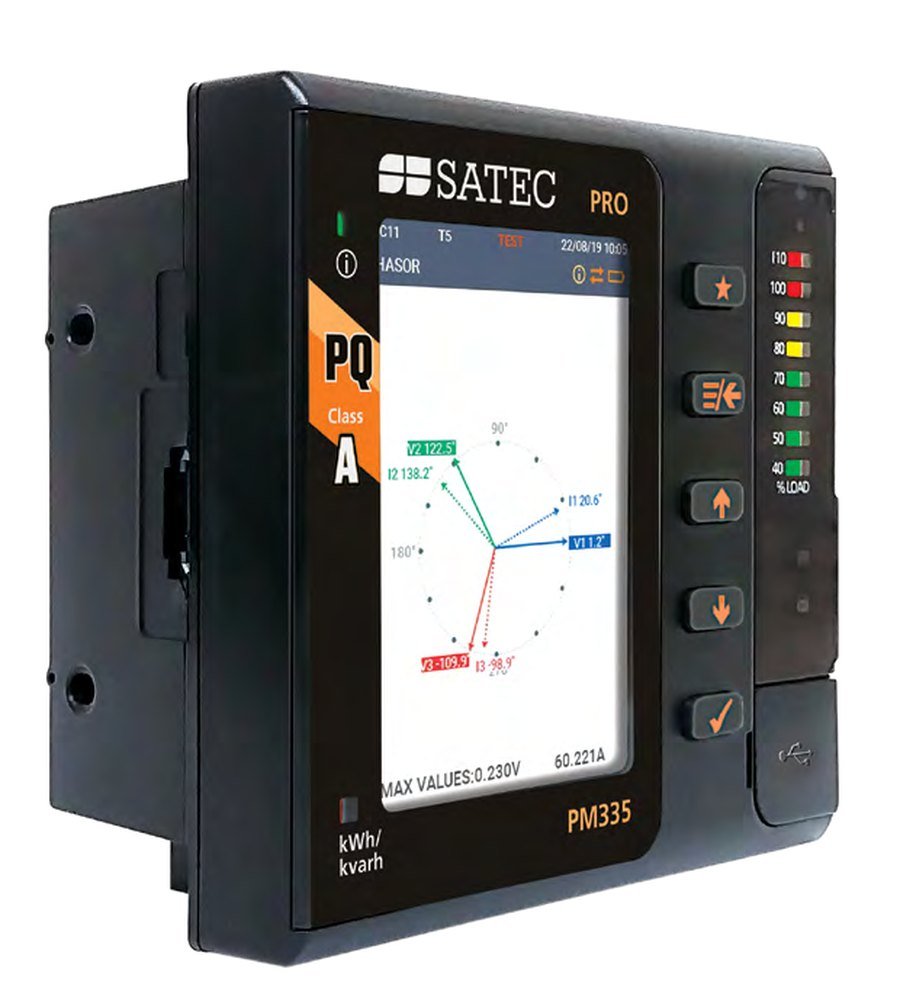
Design for three things the machine does for its whole life: the energy it draws, the heat the panel has to shed, and the parts it wears out. Pick parts that lose fewer watts, switch with nothing to wear, and stay available for the life of the program. Then put a meter in the panel, so the result is measured, not estimated.
A power supply, drive or relay loses some power as it works. Every watt lost ends up as heat inside the enclosure.
An enclosure air conditioner runs a compressor and fans. Every watt of heat it moves out of the enclosure adds to the power bill a second time.
A mechanical contact on a heater or a lamp bank is a wear item multiplied by the fleet. Each replacement is a part thrown away and a visit somebody makes.
A customer asks for the kWh the machine uses per cycle. Without a meter in the panel, the answer is a model, not a measurement.
One part per decision, each with one fact from its own sheet. The brand name opens that product line.
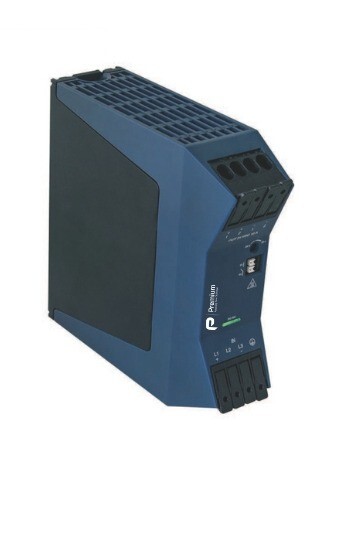
Fewer watts lost is less heat in the panel and less cooling to run, on every machine in the run.
The printed fact. The DPX-240 three-phase supply runs at up to 94.1 percent efficiency and draws 0.8 to 1.1 W at no load. Its datasheet lists RoHS 2.
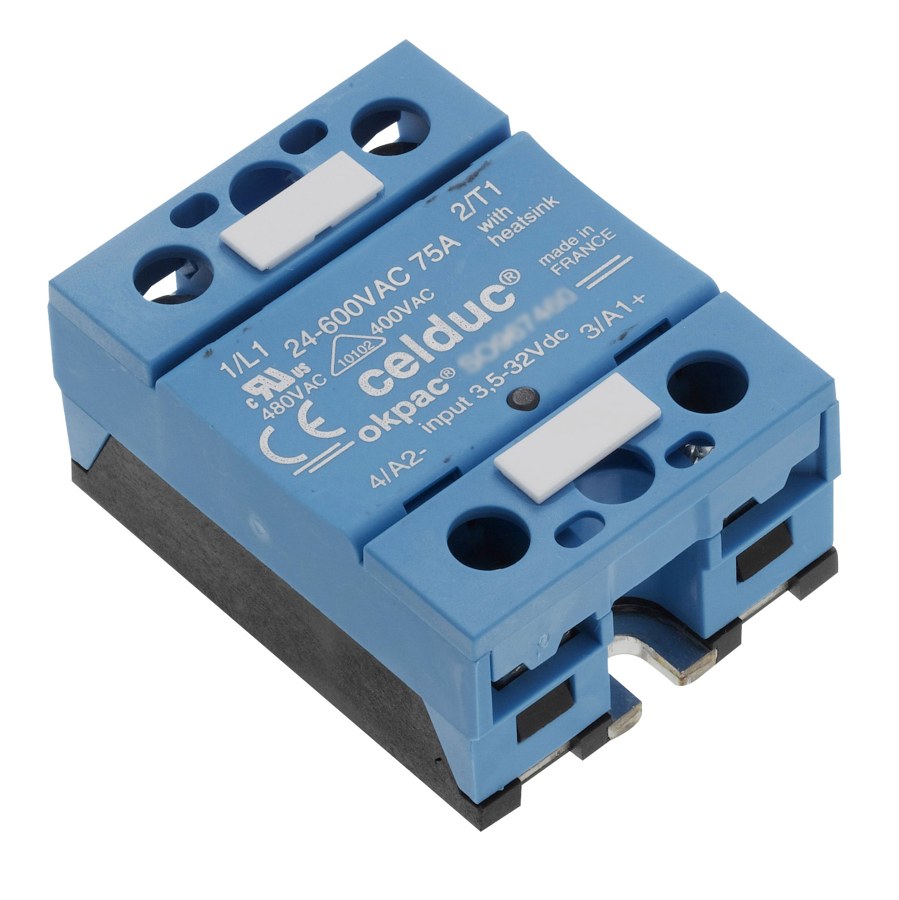
Nothing to wear out, so a high-cycle heater or lamp load stops being a replacement part and a service visit.
The printed fact. Single to four phase SSRs in 45 mm okpac and 22.5 mm DIN-rail celpac packages, with SOD and SILD versions that report heater diagnostics.
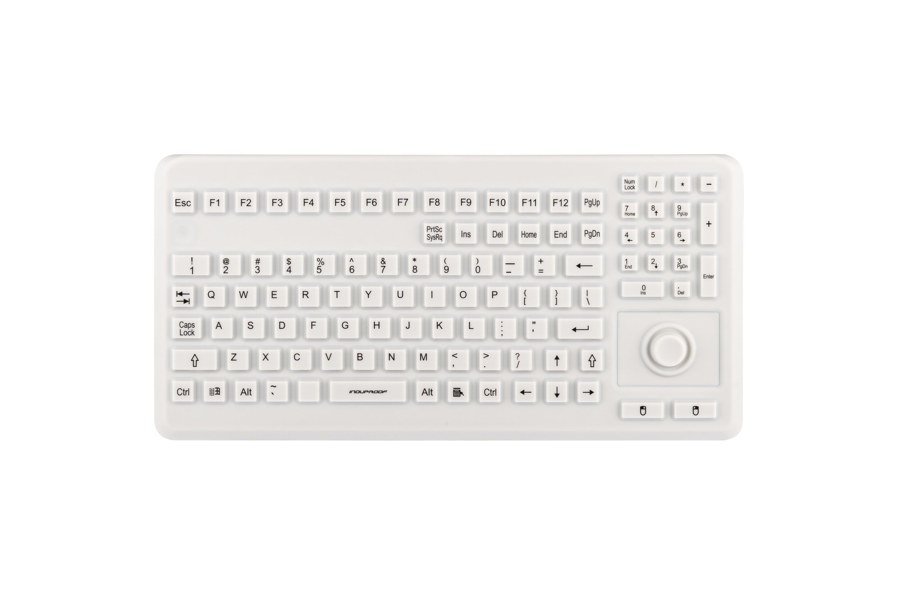
A machine in the field can still get its exact operator interface years later, so one worn keyboard does not retire the machine.
The printed fact. Custom front panels and keyboards from a quantity of one, with seven years of form-fit-function availability.

The kWh per cycle a customer asks for is measured, not modeled.
The printed fact. A Class 0.2S revenue meter and a Class A Edition 3.1 power quality analyzer in one device, with harmonics to the 63rd.
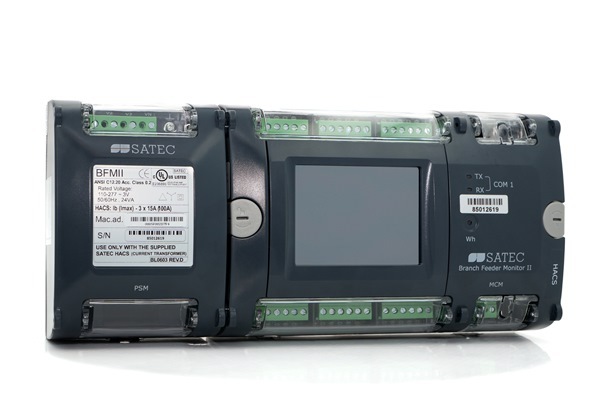
Each branch gets its own kWh, so the circuit that wastes energy can be found.
The printed fact. Up to 54 single-phase or 18 three-phase circuits from one DIN-rail unit, with channels added later.
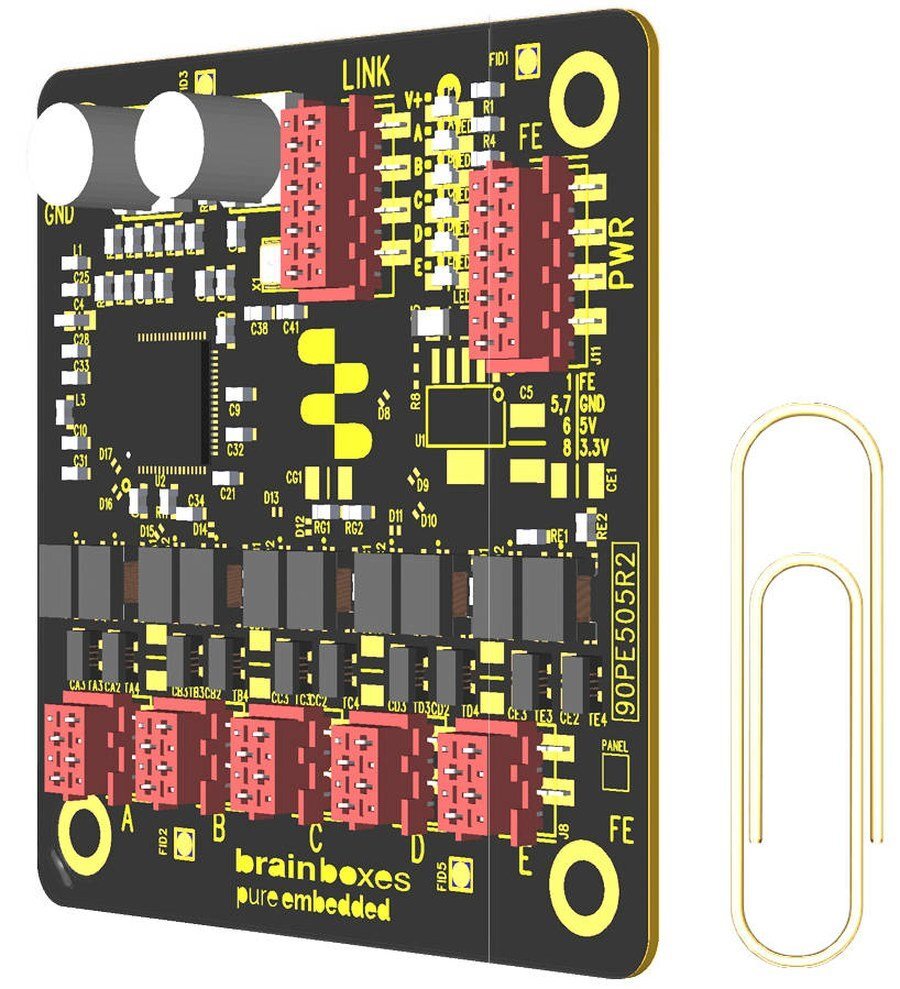
The energy data leaves the machine with the control code untouched, and the part number is still there when machine 50 ships.
The printed fact. A ten-year availability commitment behind the board-level part number. With Ethernet to serial, the software sees the COM port it always did.
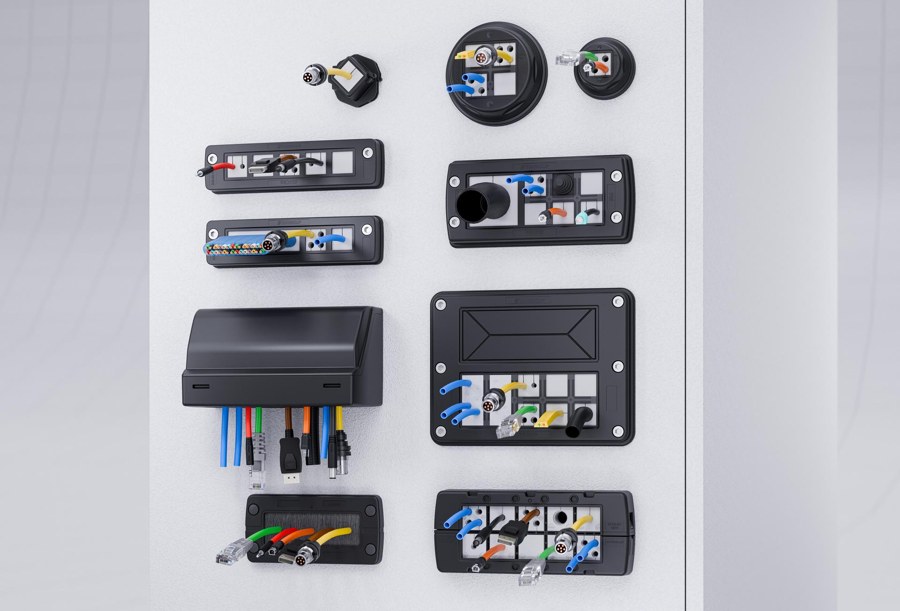
Pre-terminated cables pass through the wall whole, so no connector is cut off at install.
The printed fact. The KDS split entry passes a cable with its connector on: one frame in place of a row of glands, IP66, UL Recognized.

Premium PSUCelducGETTSATECBrainboxesConta-Clip
Every product line on one page
Also designing for:
Cost and total cost of ownershipFootprint and panel spaceSafety, approvals and standards
It means designing for what the machine does over its whole life: the energy it draws, the heat its panel sheds, and the parts it wears out and replaces. The parts on the drawing set all three. A meter in the panel then shows the result in kWh instead of an estimate.
Not by itself. A solid state relay dissipates roughly one to one and a half watts per amp while it conducts, and the panel has to carry that heat. Its case is life: on a load that cycles often, it switches millions of cycles with nothing to wear out, so there are no contacts to replace across the fleet.
Put a meter in the panel. A SATEC PRO series meter is a Class 0.2S revenue meter and a Class A power quality analyzer in one device, so the kWh per cycle is measured, not modeled. A SATEC BFM-II meters up to 54 single-phase circuits from one DIN-rail unit, so each branch gets its own number.
A machine in the field keeps running when its parts stay available. Brainboxes backs its board-level parts with a ten-year availability commitment. GETT gives seven years of form-fit-function availability on a custom front panel. An end-of-life notice on a part the fleet uses means a redesign and a second bill of materials.
The parts list, the loads and their duty cycles, and the build quantity. From that we help you specify the parts that lose fewer watts and wear less, and the meter that measures the result. The parts are quoted through the distributor you already buy from.
After 30-plus years in the industrial hardware space we know these products, on our line card and off it. Bring us your most stringent or most mundane requirement. If one of our product lines fits, we will show you where. If it does not, we know someone who will. We would be happy to help.
Every product line on two pages, in the order a machine gets designed.