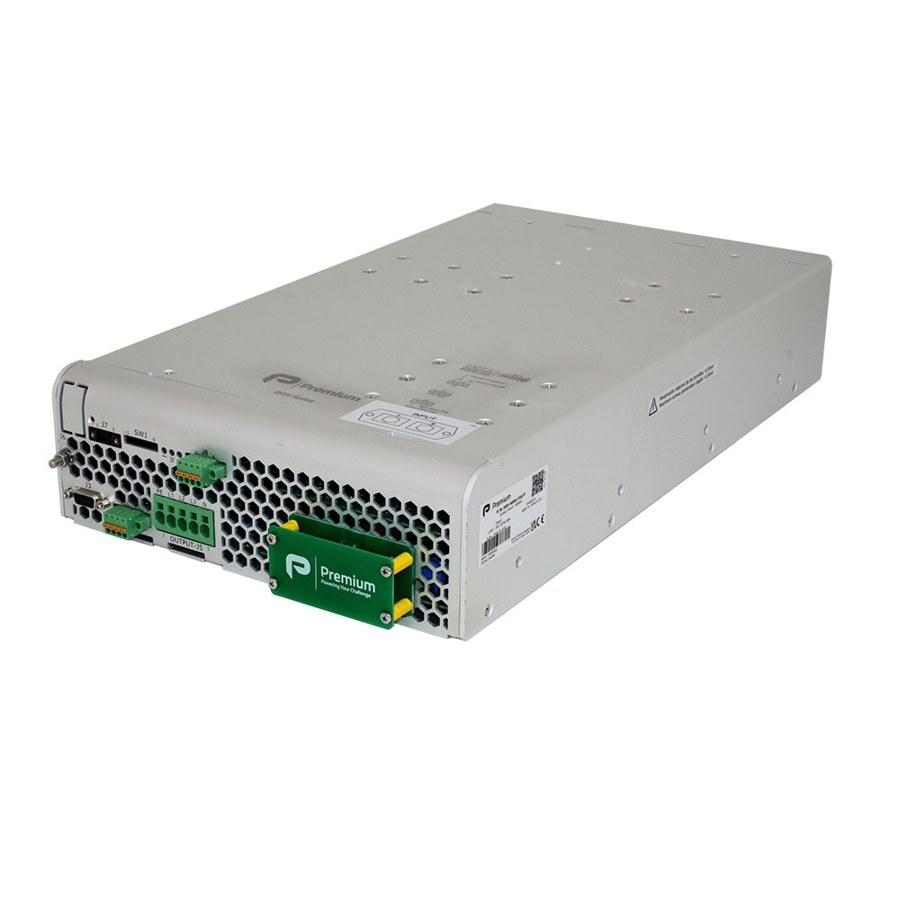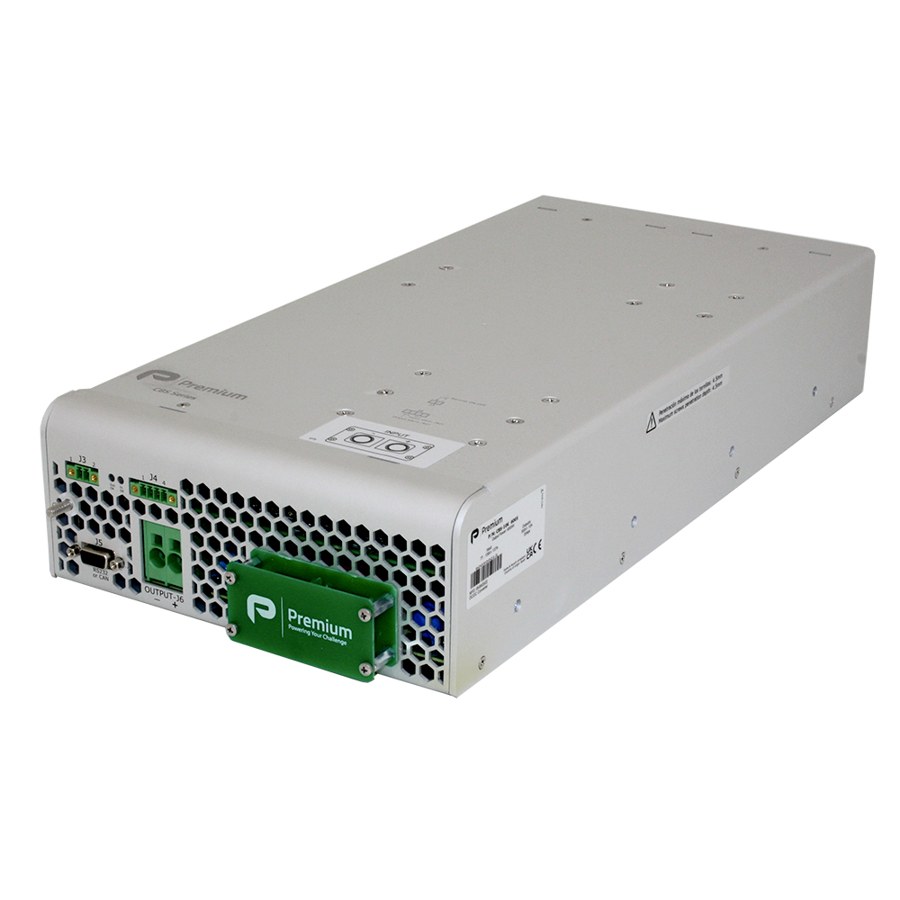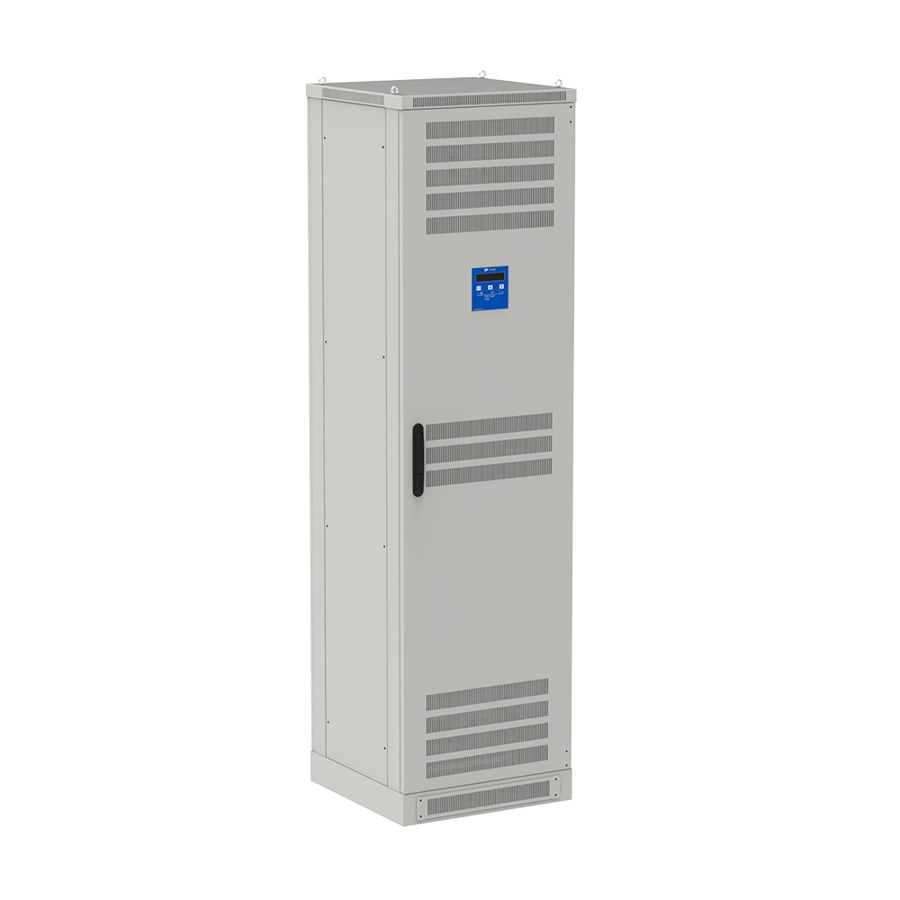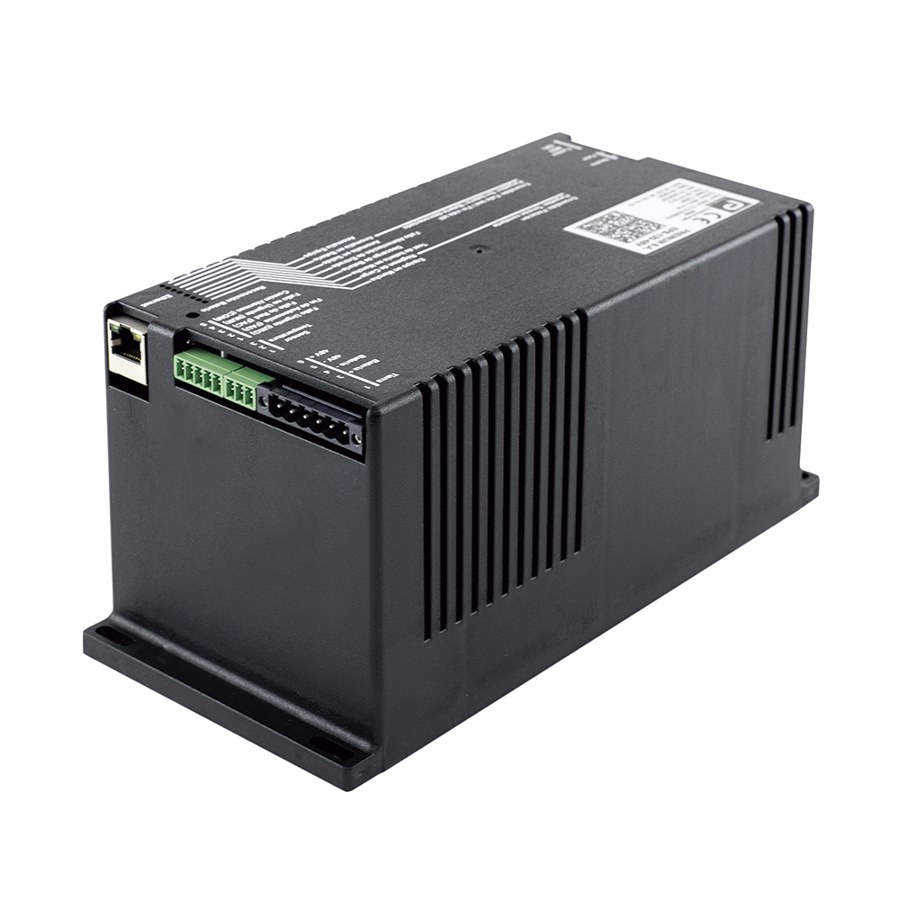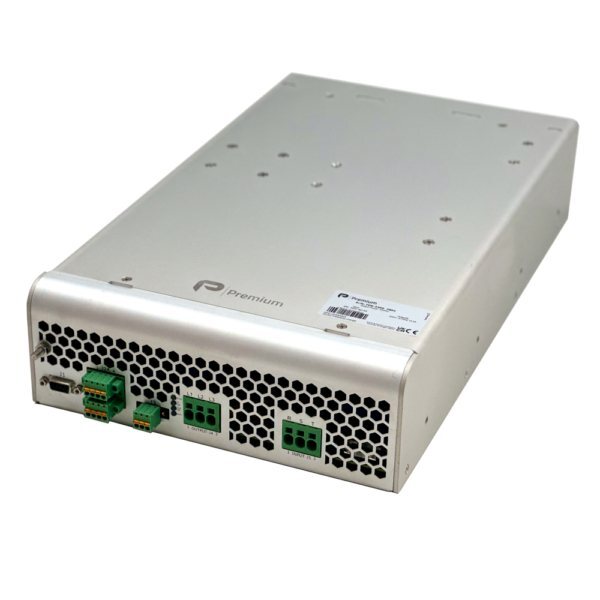

The railway is Premium PSU's home. Its DC/DC converters, inverters and chargers have run rolling stock for four decades, built to EN 50155 for the shock, the vibration and the battery swings of a working railway. The same engineering now powers substations, electric work trucks, semiconductor tools and the 800 VDC data center.
Designed, built and tested in Barcelona, from 50 W to 72 kW, as catalog product or a design made to your spec. Dynamic is the Premium rep for Northern California and Northern Nevada, and rail is where most of our Premium work runs.
Rail and transit power800 VDC data center powerTalk through your power architecture
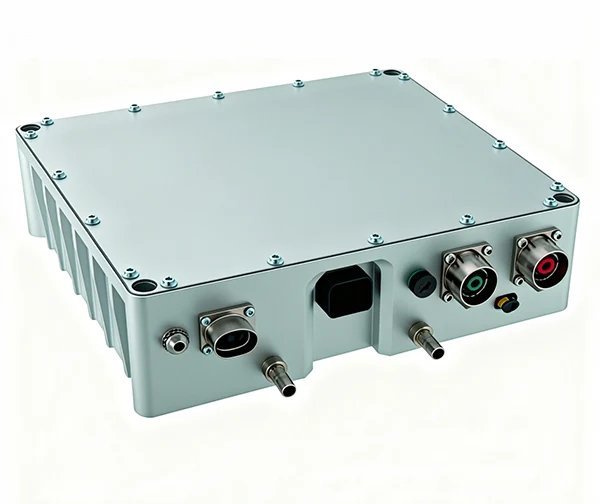
Rolling stock is the hardest place to put power electronics: a battery that swings with every start, a catenary that spikes, shock and vibration all day, fire and smoke rules inside the car, and a service life measured in decades. Premium has built onboard and wayside power for that world for more than 40 years, for locomotive, metro, tram and regional fleets, and for the retrofit programs that keep older cars running.
Train batteries run at 24 V on trams, 48 V on metros and 72 or 110 V on regional and mainline fleets, and EN 50155 asks the electronics to ride from 0.7 to 1.25 times nominal, with 1.4 times for a second. The CLS family takes 16.8 to 137.5 VDC on one input, so one part number covers the whole fleet.
CLS: 40 to 500 W, up to 95 percent efficient. CRS: 60 to 2,000 W for HVAC and heavy loads. CTS: full galvanic isolation where it is specified.Auxiliary loads can come straight off the overhead line instead of the traction chain. The CVS converter takes the catenary directly, and the catenary inverters make three-phase AC for HVAC and auxiliary motors.
CVS-280: 400 to 1,100 VDC in, 400 W peak for 500 ms. OVX-6400: 6.4 kVA three-phase from 400 to 1,000 VDC, parallel up to four. NP-0827: 35 kW from 420 to 900 VDC.Pure sine inverters for passenger outlets and emergency HVAC, frequency converters for compressors, onboard chargers and DC UPS for the battery and the systems that cannot drop, and starters for diesel and hybrid units.
TDS and TDX-3300: 3.3 kW, 5 to 75 Hz for HVAC compressors. CBS-10K: 10 kW peak for 40 seconds to start a generator. ACB-3000: AC transfer in under 2 ms.AI racks have pushed data center power past 48 V to 800 VDC, which carries twice the power of a 400 VDC bus at the same current and takes copper out of the building. That puts a high-voltage DC bus next to equipment designed around an AC feed: the cooling, the pumps and fans, the controls and the storage. Premium already ships released products for that input range, because rail got there first. A 750 VDC catenary is the same conversion problem, with more vibration and a wider temperature swing.
Pumps, fans and compressors are the largest load in the data center still running on AC. A Premium inverter takes the high-voltage DC bus and makes three-phase AC for them, so the cooling plant does not need its own AC distribution.
NP-0827: 420 to 900 VDC in, 400 VAC three-phase out, 35 kW continuous, 70 kW peak. OVX-6400: 400 to 1,000 VDC in, 6.4 kVA, parallel up to four.Controllers, sensors and network gear inside a CDU, chiller or power skid still need 24 V. A DC/DC converter takes it straight off the bus, so the equipment does not need an AC feed just for its controls.
CVS-280: 400 to 1,100 VDC in. CMS-2000: 180 to 950 VDC in, 2 kW, sealed to IP67 and IP69K.Hot-swap rectifier modules that share current and report over PMBus, bidirectional conversion for battery storage, and DC UPS for the controls and network layer that cannot drop when the bus moves.
Rectifier modules: 3 kW each, parallel to 72 kW with hot swap. BBC-30K: 150 to 1,000 VDC, 30 kW, bidirectional, 95.5 percent.Pure sine single and three-phase inverters from 260 VA to 35 kW, from a 12 V battery to a 1,000 VDC catenary, for passenger outlets, tools, motors and HVAC.
Isolated converters from 40 W to 10 kW peak, with inputs from 16.8 VDC on a tram battery to 1,100 VDC on a catenary.
Onboard chargers and smart UPS from 120 W, traction battery chargers to 10 kW, and substation rectifier systems built from 3 kW hot-swap modules.
Battery-backed DC supplies and redundancy for the controls and network layers that cannot drop.
Frequency converters and drives for HVAC compressors, ventilation and traction auxiliaries, with the same rail-grade build.
Also from Premium: DIN rail AC/DC power supplies and electronic fuses for control panels, and a sealed IP68 AC/DC supply.
Premium's CLS family of EN 50155 DC/DC converters takes 16.8 to 137.5 VDC on a single input, which covers every common rolling-stock battery from 24 to 110 V. The family runs from 40 to 500 W at up to 95 percent efficiency.
Use a converter or inverter rated for the catenary itself. Premium's CVS-280 DC/DC converter takes 400 to 1,100 VDC, the OVX-6400 inverter makes 6.4 kVA of three-phase AC from 400 to 1,000 VDC and parallels up to four, and the NP-0827 delivers 35 kW from 420 to 900 VDC.
Yes. Premium's NP-0827 inverter takes 420 to 900 VDC and delivers 400 VAC three-phase at 35 kW continuous and 70 kW peak, enough for pumps, fans and compressors. For smaller loads the OVX-6400 delivers 6.4 kVA from 400 to 1,000 VDC.
Battery chargers and rectifier systems on the station's 48, 110 or 125 VDC bus. Premium builds them from 3 kW hot-swap rectifier modules that parallel to 72 kW and report over PMBus, with isolation up to 20 kV peak on its energy products.
Yes, with a three-phase inverter sized for motor starting. Premium's ODX-6000 delivers 6 kVA of pure sine three-phase AC at 94.3 percent efficiency and parallels up to four units. Premium has customers who build electric mining vehicles and run welders and compressors this way.
Dynamic Measurement and Control Solutions is the Premium PSU representative for Northern California and Northern Nevada. We work through the spec with you and the factory in Barcelona, from catalog parts to custom designs.
See every line in design order on the design path, or the whole line card on the products page.
A non-standard bus voltage, a 400 Hz load, a peak the catalog unit cannot carry, an enclosure that will not take the standard footprint. Send the input, the load and the environment, and we will tell you whether a catalog unit, a modified standard or a custom design fits.