
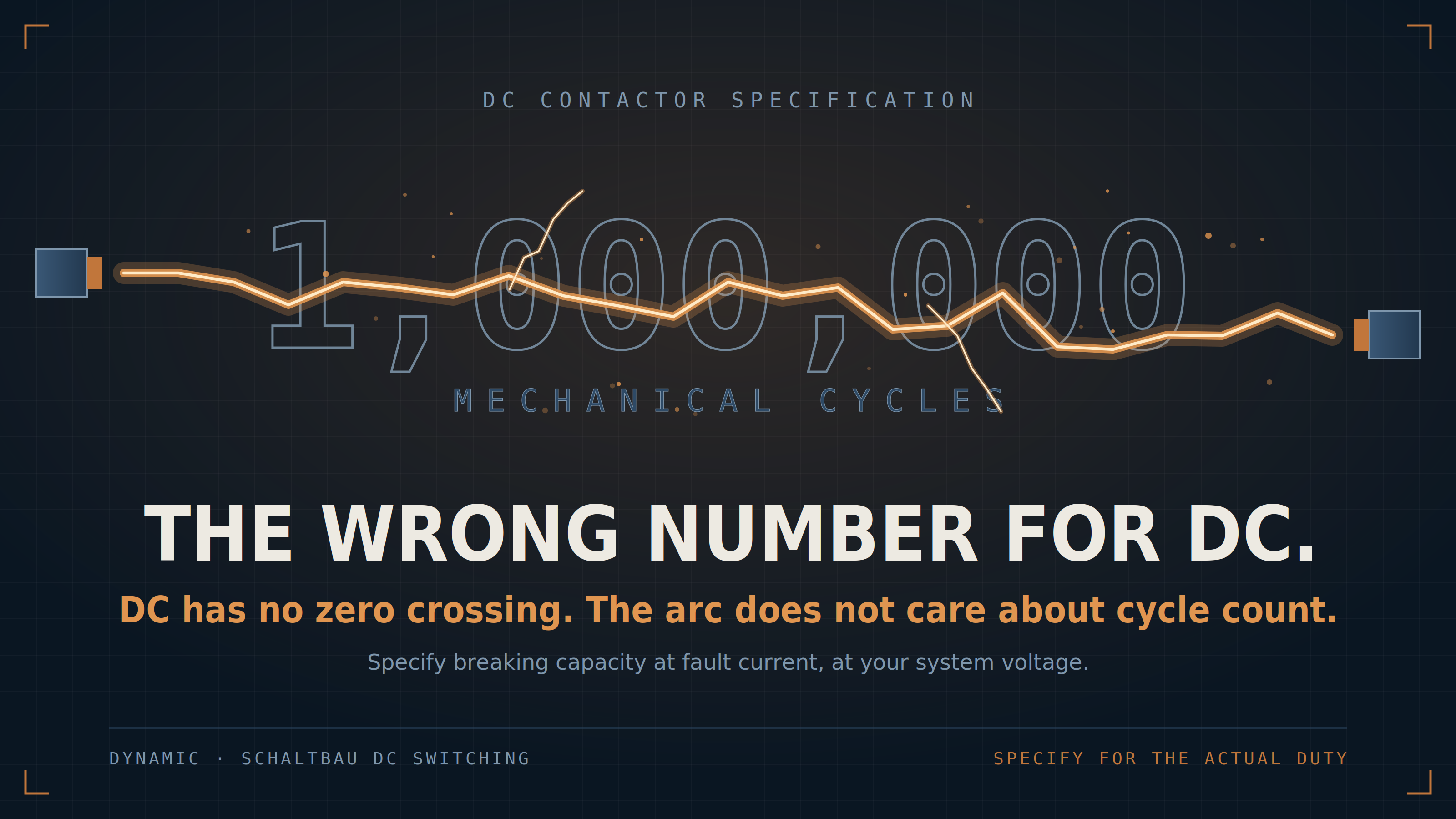
DC contactor datasheets lead with cycle count. It's the first number engineers compare, and it carries an implicit weight of reliability. It...
Read More

Opens mobile navigation.
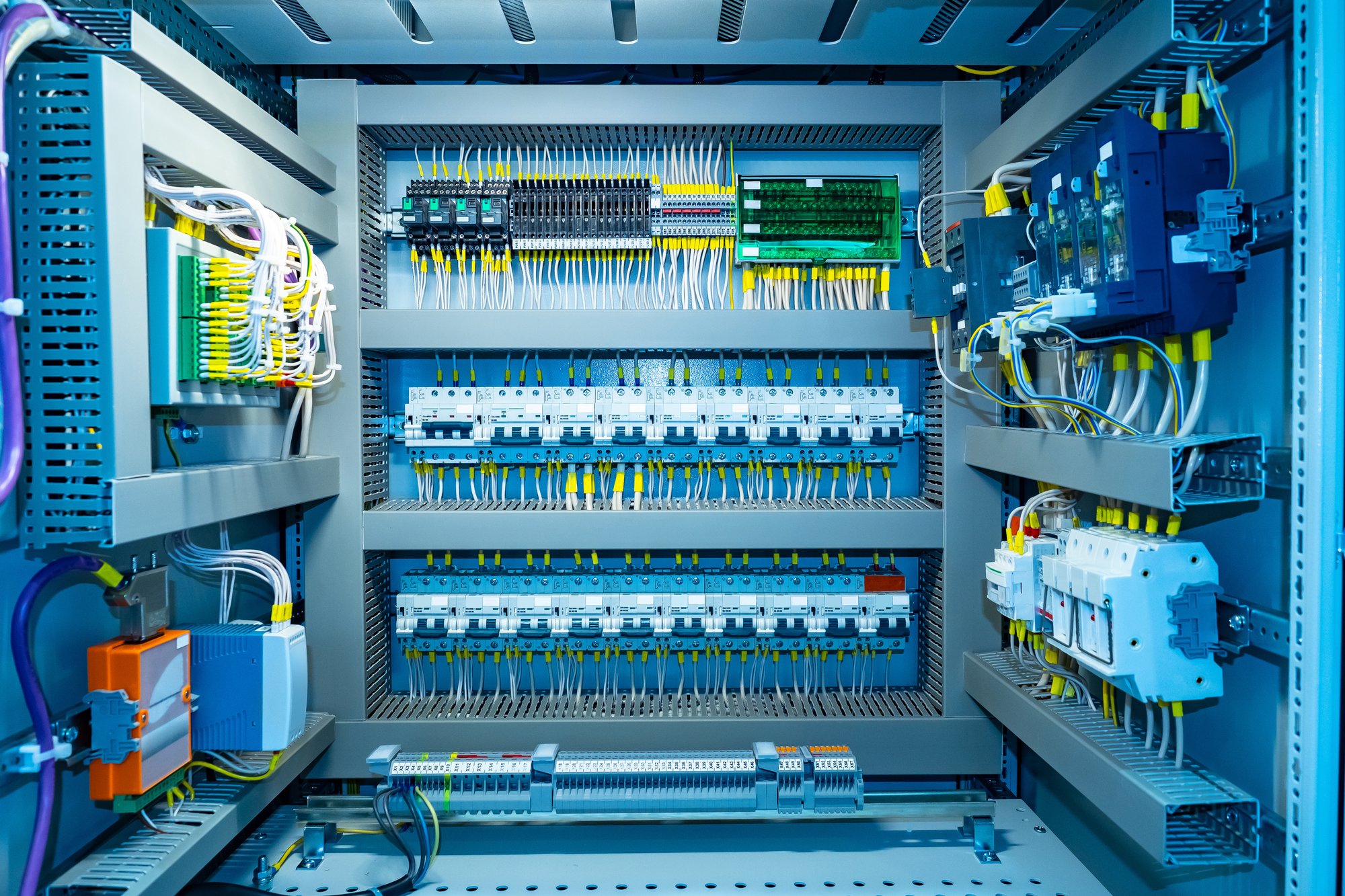
Smaller Footprints Without Sacrificing Access
-
High-density terminal platforms
-
Compact power conversion
-
Integrated cable entry systems
-
Structured Ethernet layout
More I/O per enclosure. Better thermal distribution. Cleaner routing.
Labor Efficiency That Scales Across Builds
-
Push-in termination technology
-
Pre-engineered panel penetration systems
- Streamlined labeling architecture
- Simplified DIN rail integration
Reduced wiring time. Fewer errors. Faster repeat production.
Lower Lifecycle Exposure
-
Improved power segmentation
-
Cleaner signal isolation
-
Organized cable routing
-
Predictable hardware standardization
Panels that generate fewer field calls and less long-term redesign pressure.
Designed for Expansion and Modernization
-
Modular terminal architecture
-
Scalable network infrastructure
-
Accessible device replacement
-
Clear wire identification
Panels that can evolve as control strategies evolve.
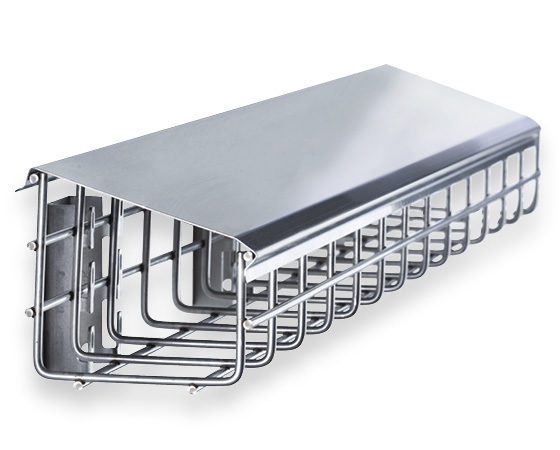
Ensuring that the design facilitates easy cleaning and sanitation is crucial in food processing equipment. Any crevices or complex structures that are hard to clean can lead to contamination or bacterial development. These situations can not only affect the quality and taste of food but are critical in food safety that is bound for human consumption.
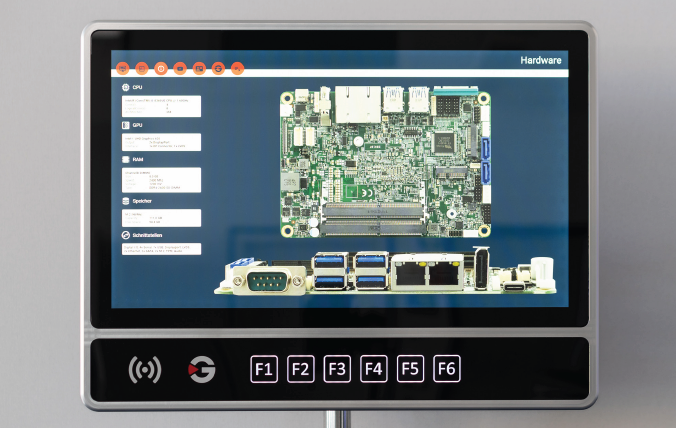
Designing user-friendly interfaces for machine operation and monitoring is crucial, requiring understanding operator needs and creating intuitive, easy-to-understand interfaces to improve system control.
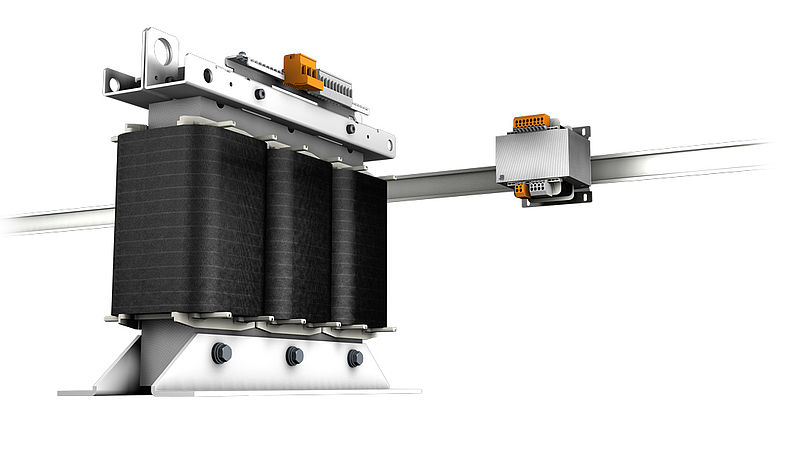
Transformers are needed for incoming power to change one AC voltage to another by magnetic induction. They are also used to step up or step down AC voltage for various internal machine operations. Dynamic offers heavy-duty industrial control transformers with primary and secondary voltages between 0.5 VA to 2,500 VA.
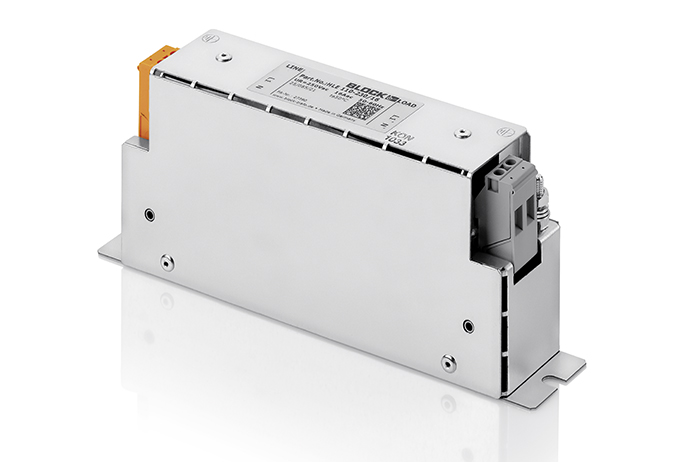
EMC is a significant issue in industrial applications, causing disruption and undesirable responses. Mitigation techniques include types of cables, topology, wiring distribution, and protection techniques. In addition, EMI suppression filters are effective protection against electromagnetic interference by extracting unwanted currents and allowing desirable ones to flow freely.
Hardware Infrastructure Inside the Cabinet
Dynamic does not replace your controls strategy. We support the physical infrastructure that protects it.
Power Inside the Panel
High-efficiency DIN rail power supplies
DC distribution and protection
Load segmentation strategies
Compact conversion solutions
Stable internal power architecture reduces nuisance resets and thermal stress across applications, from process control to energy storage.
Control and Signal Layer
High-density terminal blocks
Interface relays and solid-state relays
Signal protection and isolation
Cleaner signal paths. Reduced wiring complexity. Easier troubleshooting.
Industrial Data and Networking
Managed and unmanaged industrial Ethernet switches
Protocol conversion and serial integration
Edge-ready communication hardware
Structured network layouts that prevent panel clutter in machine control, SCADA, and distributed automation environments.
Connectivity and Cable Management
Sealed cable entry systems
EMC-aware routing strategies
Strain relief and gland solutions
Organized wire segregation
Panels that remain serviceable and organized long after commissioning.
Thermal and Density Planning
Heat load awareness
Ventilation and layout considerations
Density management strategies
Preventing temperature-driven failure points before they become operational issues.
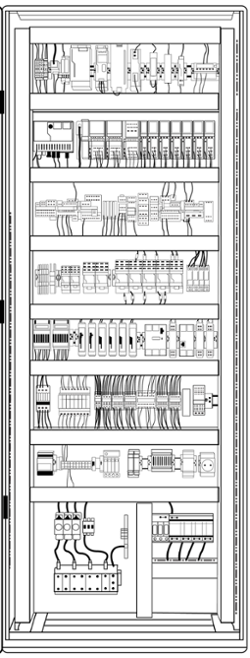

Review Your Panel Infrastructure
If you are building repeat control panels and want to reduce fabrication time while lowering long-term service exposure, let’s review the hardware infrastructure inside your cabinets.
If you are building repeat control panels and want to reduce fabrication time while lowering long-term service exposure, let’s review the hardware infrastructure inside your cabinets.


Recent posts
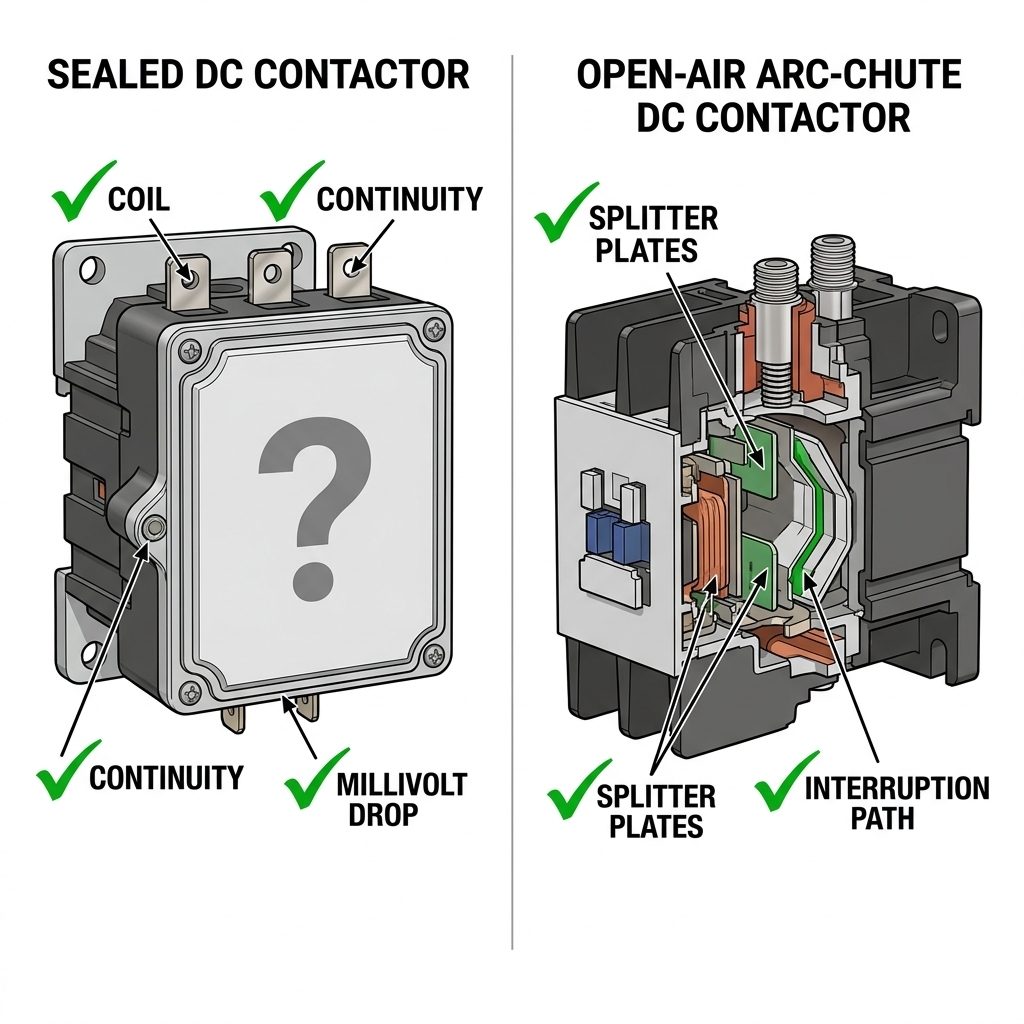
Your meter says the contactor is fine. Whether it can still break a 1,500-volt DC arc is a different question and nothing on the outside will tell...
Read More
Energy efficiency has long been treated as someone else's problem. The facility team monitors the utility bill. Operations looks for waste on the...
Read More
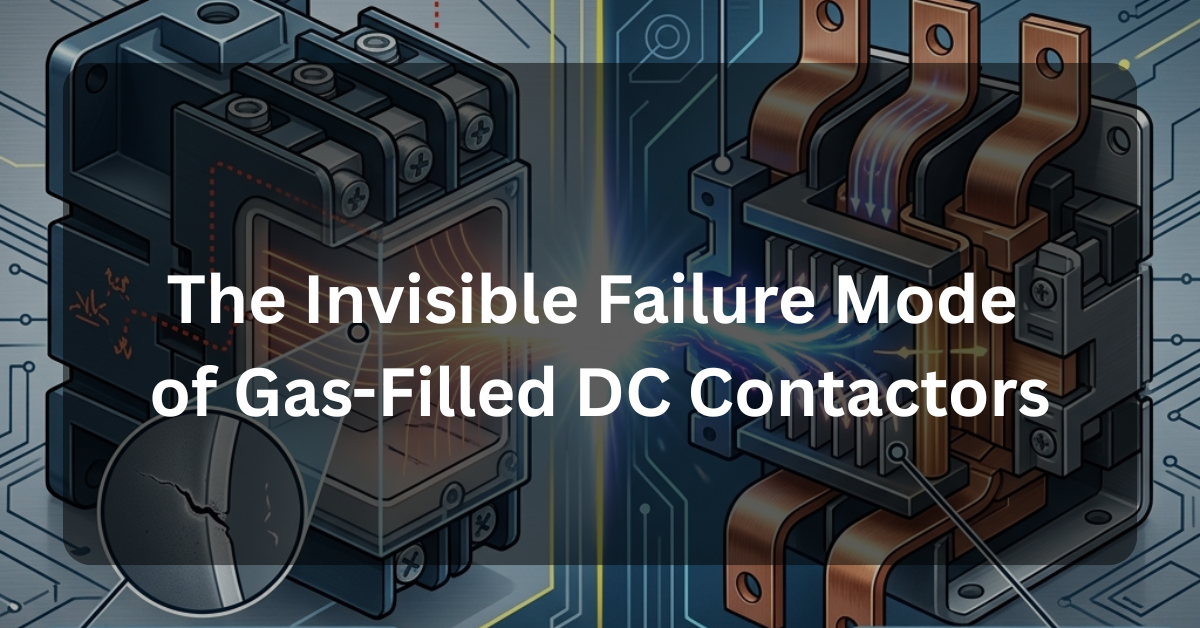
A gas filled DC contactor can pass inspection and still lose the very condition that makes it safe to interrupt DC power. It may look fine from the...
Read More