
Power it
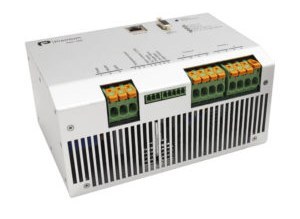
24 V straight off a 277 V circuit
Premium's single-phase DIN-rail supplies take 85 to 277 VAC in, so the panel's 24 V comes straight off a 277 V lighting circuit. Redundancy modules OR two supplies with under 40 mV of drop. N+1 control power does not cost its own heat.
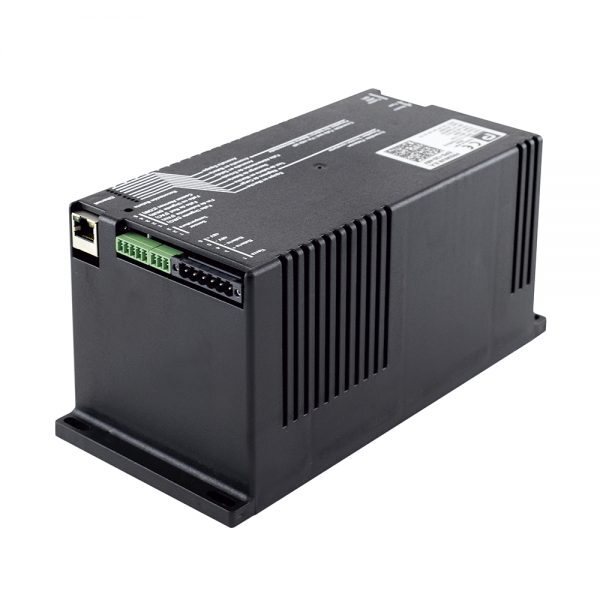
The controller rides through the dip
A control-voltage supply with the battery charger and the changeover built in and Ethernet reporting to the controller. A mains dip is a logged event, not a controller restart. Alarm contacts report mains failure and battery low. From the shop that builds 50 kW rail converters.
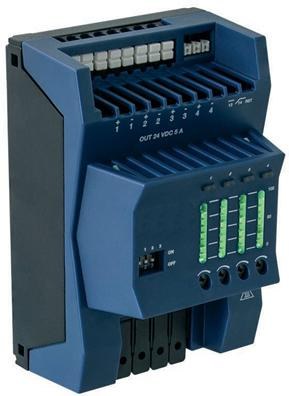
A short on one run, one channel off
Runs to switch stations and sensors are long, and a short at the far end may not trip a thermal-magnetic breaker fast. The EFC electronic fuse protects four 24 V channels of up to 5 A each and switches off only the channel at fault. A DC-OK contact reports the trip, with a remote reset.
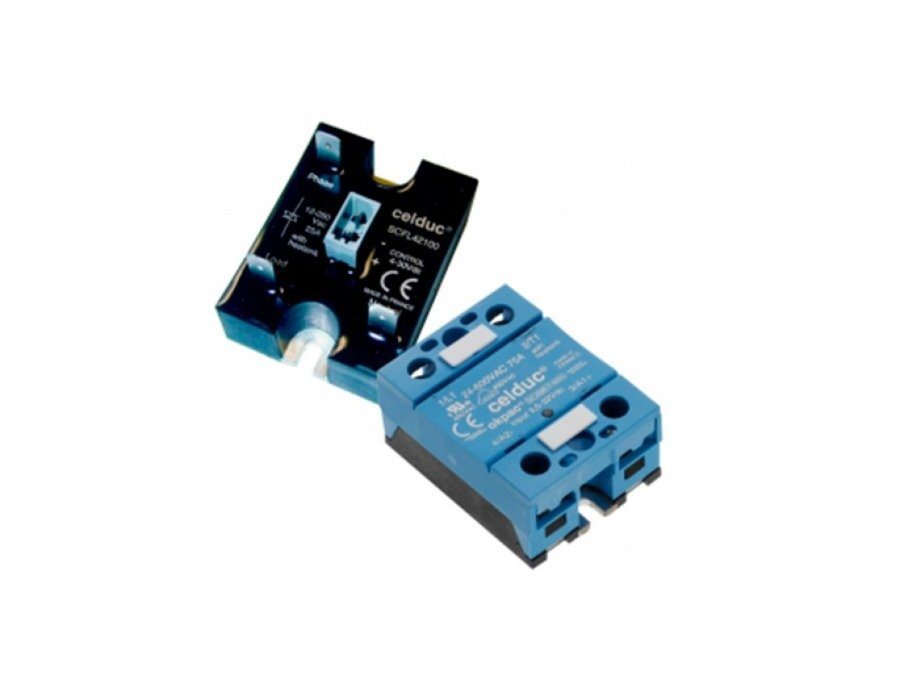
Zones that switch without a click
Occupancy control can switch a zone many times a day. A solid state relay has no contact to wear and makes no click in the room. Celduc covers 4 to 125 A, single and three phase. An SSR passes a small leakage current when off, so confirm the LED driver stays dark with it.
Control it
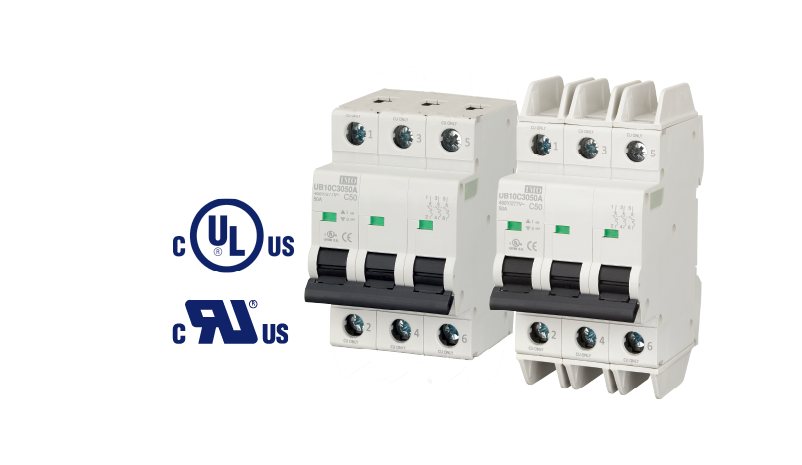
Protection and contactors for every zone
UL-approved miniature circuit breakers, RCBOs and surge protection for the lighting branches and the control circuits. Contactors with a 3 W sealed coil run cool when a panel holds a row of them in all night. Up to 5-year warranty on electromechanical components, same-day dispatch from US stock.
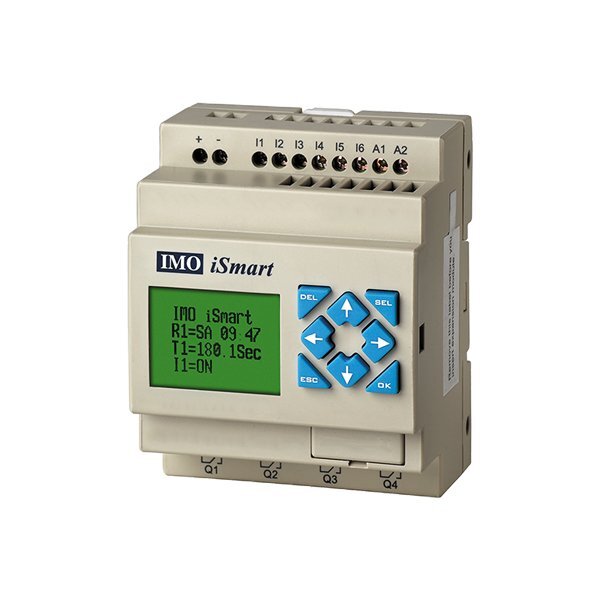
The zone logic behind the door
iSmart smart relays and XGB PLCs run the zone, override and sensor logic with license-free programming. Industrial relays, timers and cam switches sit beside them, and iView HMIs go on the door. IMO has made panel components since 1972, with a US office and US stock.
Prove it
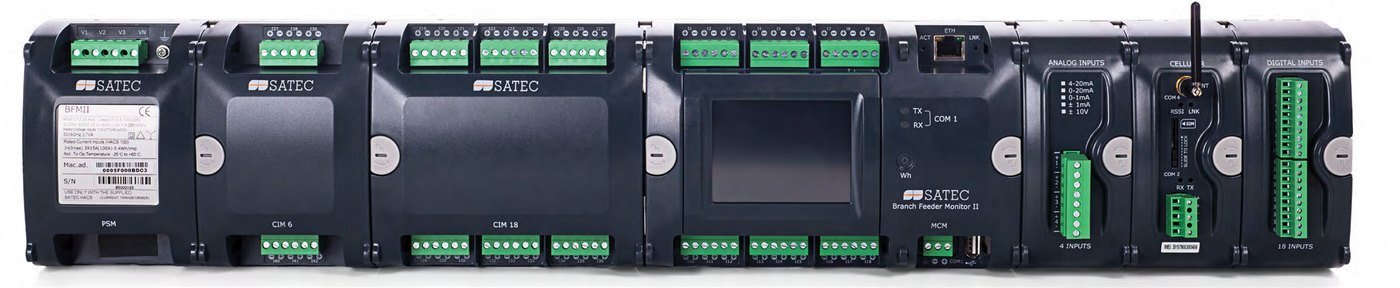
Every lighting circuit, one device
BFM-II meters up to 54 single-phase or 18 three-phase circuits from one DIN-rail unit, against two voltage sources. Each zone gets its own kW and kWh, and channels can be added after commissioning. It stays in after the study, where a thirty day logger goes home.
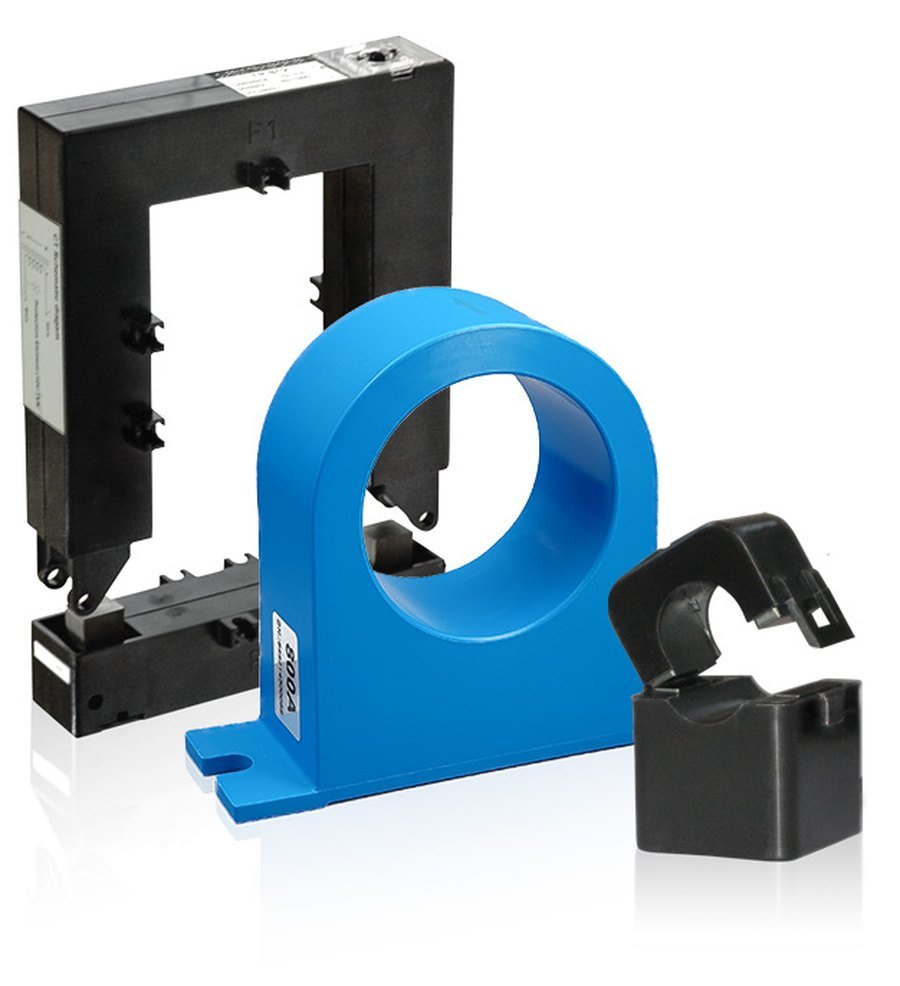
Accuracy is decided on the drawings
The CT, its burden, the leads and the wiring decide as much of delivered accuracy as the meter. HACS sensors feed the meter directly, one CT in the chain instead of two, no shorting blocks, and split-core windows to 160 by 80 millimeters at 3,000 A clip on around the bus bar at the main service of a building that is already running.
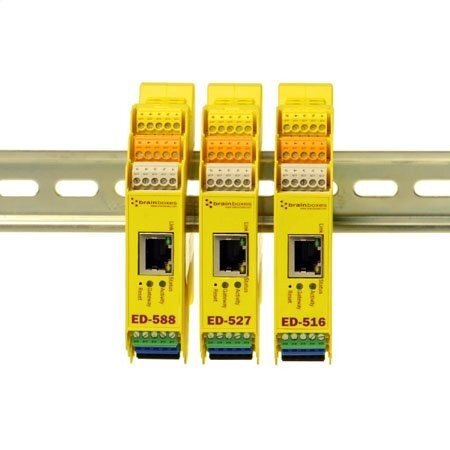
Switch and sensor states on the network
A wall switch, an occupancy sensor contact or a photocell is a digital input. Remote I/O picks them up at the panel and presents them as Modbus TCP devices the building system polls. The lighting controller is never opened. The DIN-rail units run from any DC supply up to 30 V already in the panel.
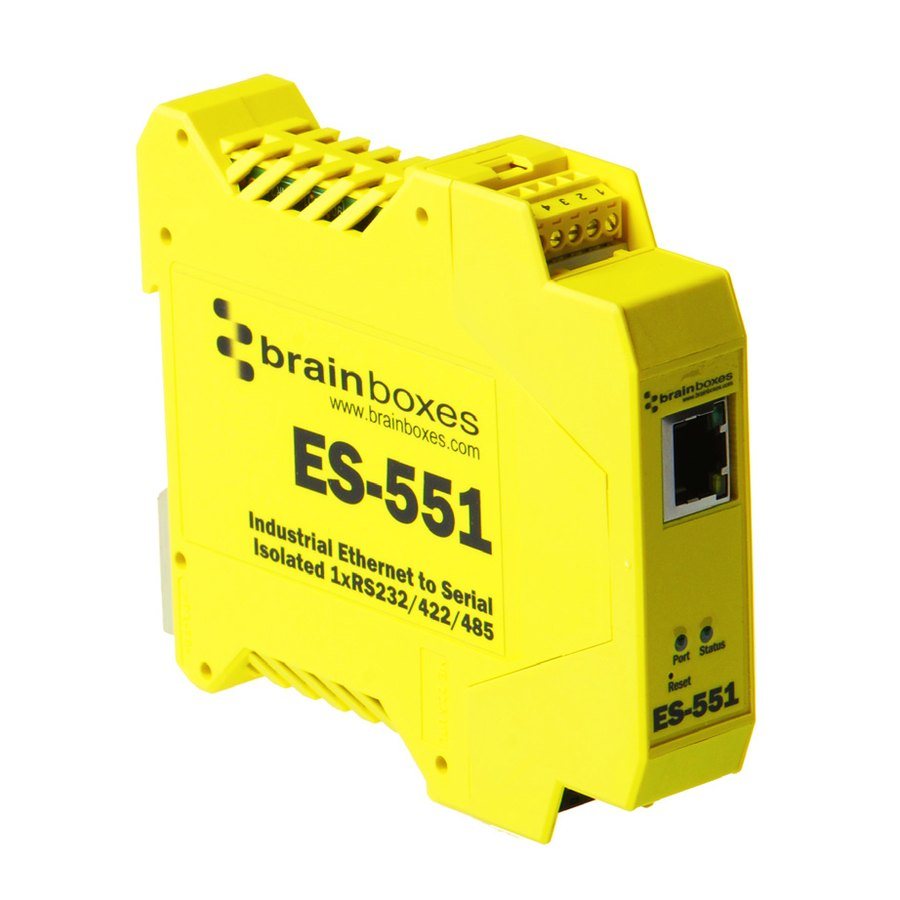
The older controller already has the port
A lighting controller with an RS-232 or RS-485 port goes on the network through it. An Ethernet-to-serial unit keeps the same COM port the software on the PC already uses, so nothing in the programming changes. Brainboxes has designed and built its own hardware in Liverpool, England, since 1984.
Foundation
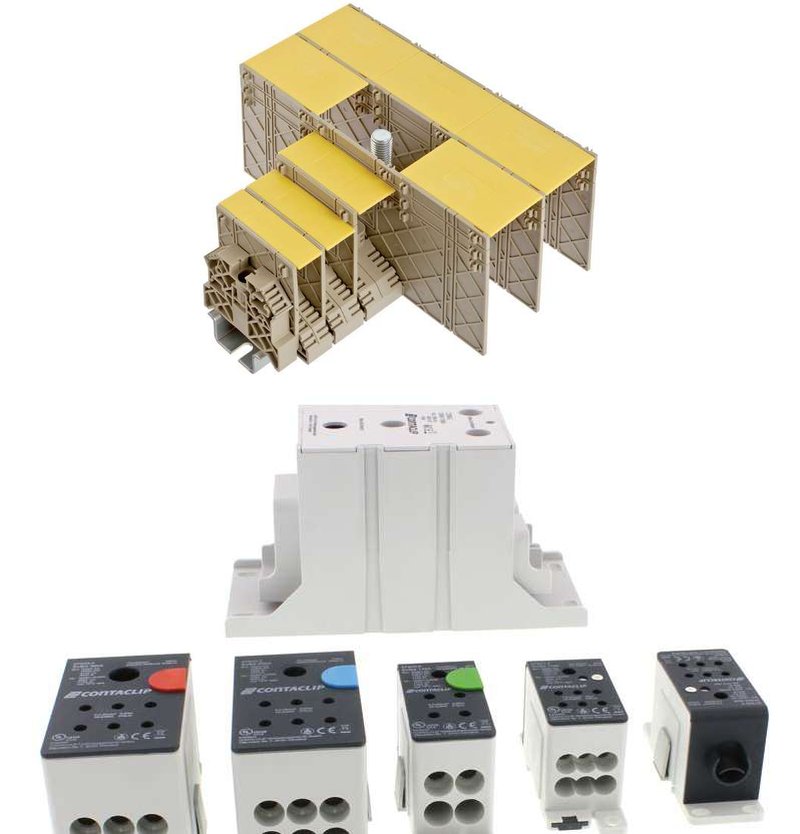
Hundreds of landings, marked in the shop
PPVK push-in distribution blocks give over 150 connections per 10 centimeters of rail, by Conta-Clip's own figure. Orange, red, blue and white pushers tell the 24 V, the 0 V and the field supply apart. TTPCardMAX prints the markers in the shop, up to 5,500 an hour.
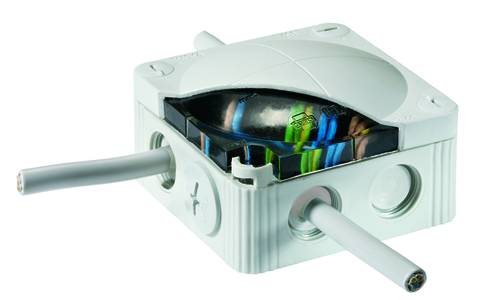
Junction boxes built for outside
COMBI junction boxes to IP66, UV and ozone resistant, quarter-turn lids, membrane entries that need no locknut, for the pole, the parking structure and the roof. Glands, venting and the Brace conduit system around them, from a company that started on ships in 1919.