
Power it
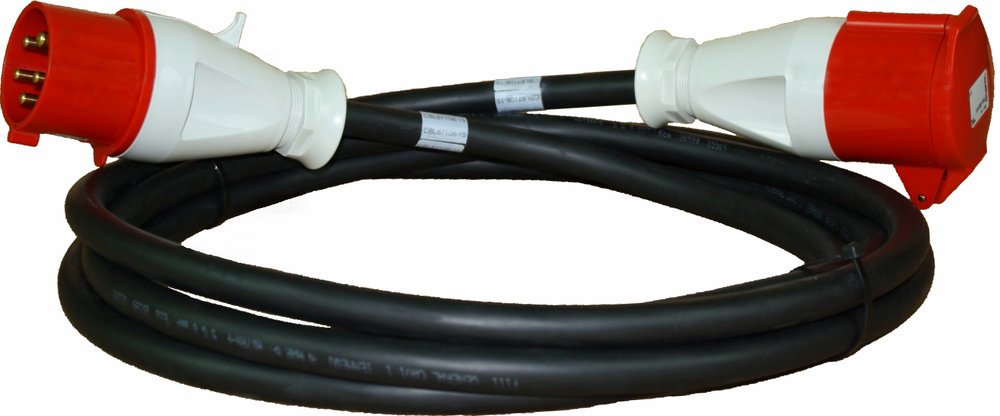
The last hundred feet, delivered finished
IEC 60309 pin and sleeve power drops built to length in Somerset, New Jersey: plug landed, cable or liquid-tight conduit cut, built as a UL-listed assembly so the listing question leaves the field. 20, 30, 60 and 100 A at 125 to 480 V, and nothing built on a ladder.
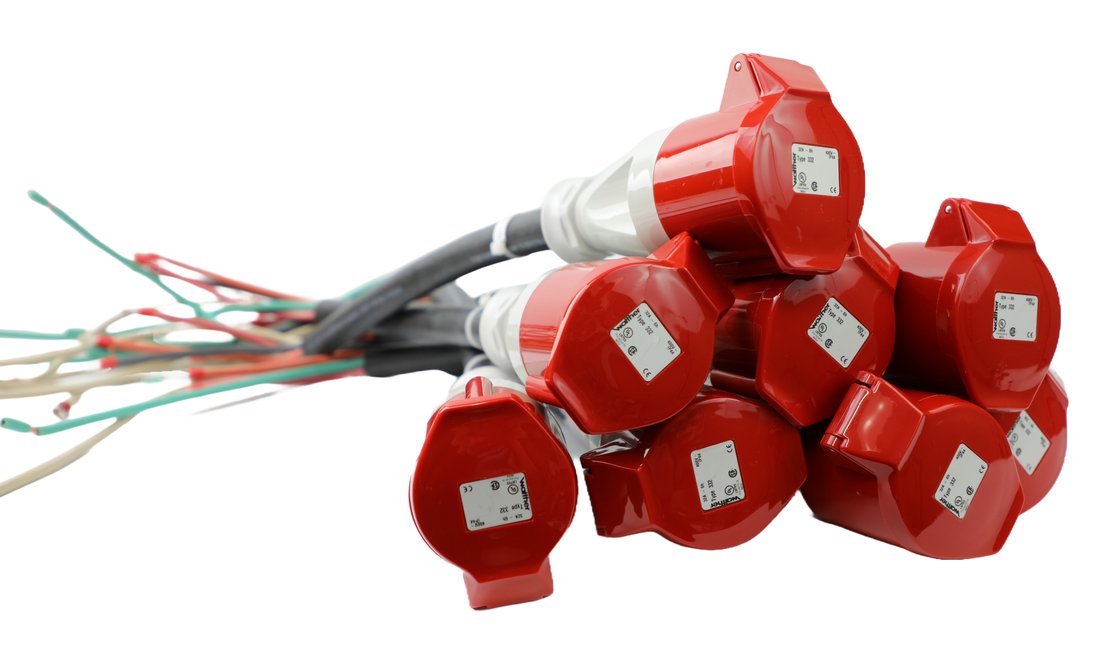
Pin and sleeve where twist-lock runs out
Rack rows are outgrowing 50 A twist-lock, and heat at the connector is where it shows. Pin and sleeve carries 60 and 100 A on the same form factor, with DC positions on the IEC clock for the DC drops now on the drawings. Walther receptacles are already designed into busway tap boxes and a hyperscale operator's rack-top power distribution boxes.
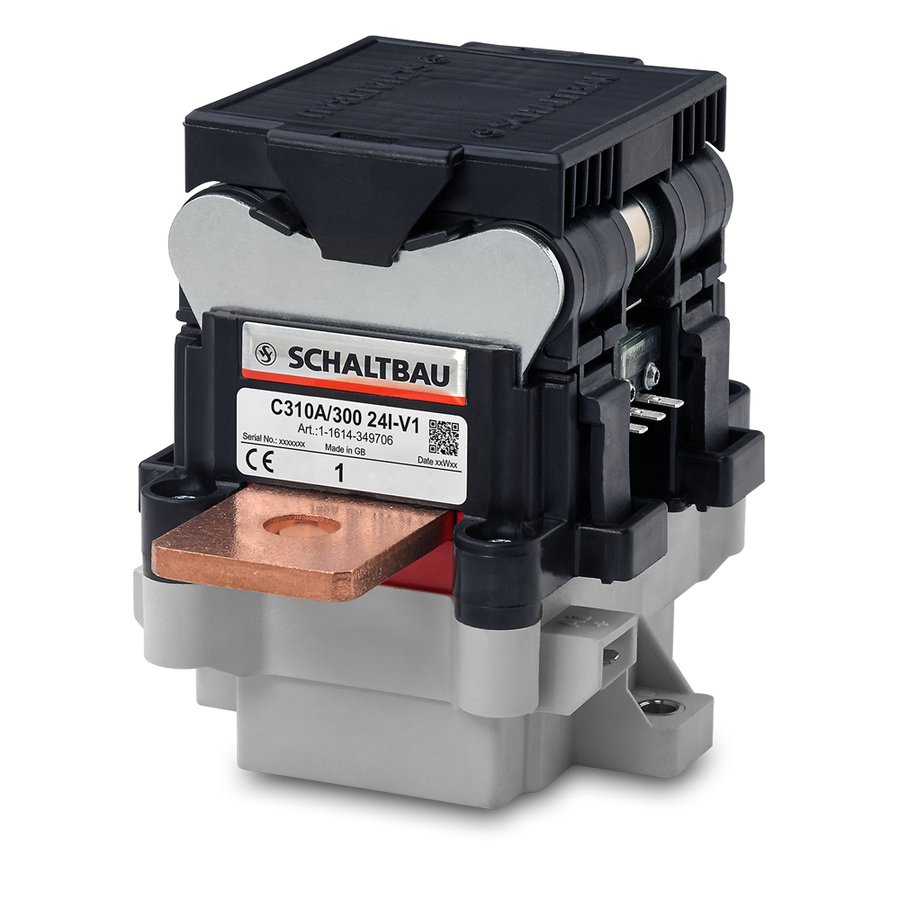
Breaks DC under load, to 3,000 V
An 800 V DC bus never crosses zero, so the contactor has to clear the arc on its own. Schaltbau DC contactors use permanent-magnet arc blowout in an open, non-encapsulated chamber: no gas to leak, no overpressure, bidirectional breaking for battery, UPS and bus isolation.
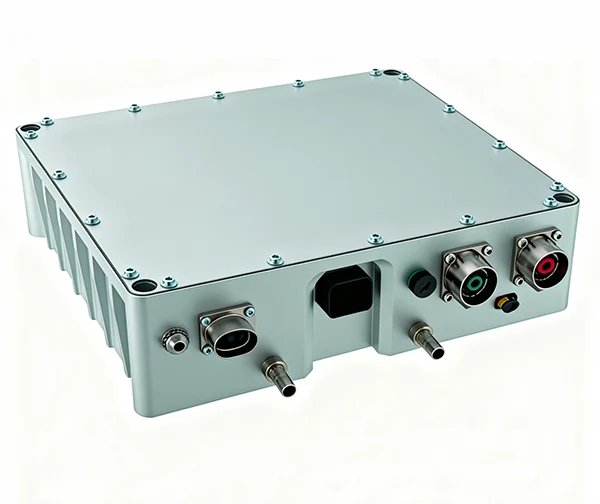
Conversion that already speaks 800 V DC
Released, published-spec converters and inverters with input ranges reaching 400 to 1,100 V DC: CVS-280 DC/DC, OVX-6400 6.4 kVA inverter, NP-0827 35 kVA, BBC-30K 30 kW bidirectional, CMS-2000 sealed to IP67. Built on 750 V catenary heritage, so a high-voltage DC bus is familiar ground.
Control it
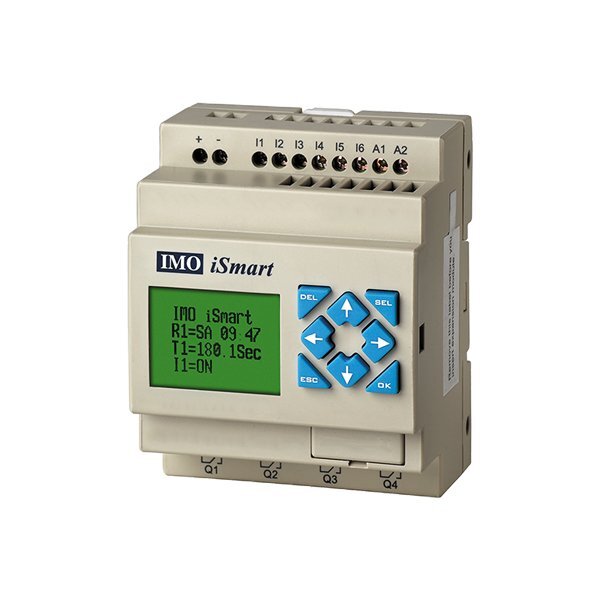
One logic stack, relay to drive
iSmart smart relays and XGB PLCs with license-free programming, Jaguar drives for the CDU pumps and fan walls beside them, iView HMIs on the door. One platform the facility team can support, same-day dispatch from US stock, up to 5-year warranty on electromechanical components.
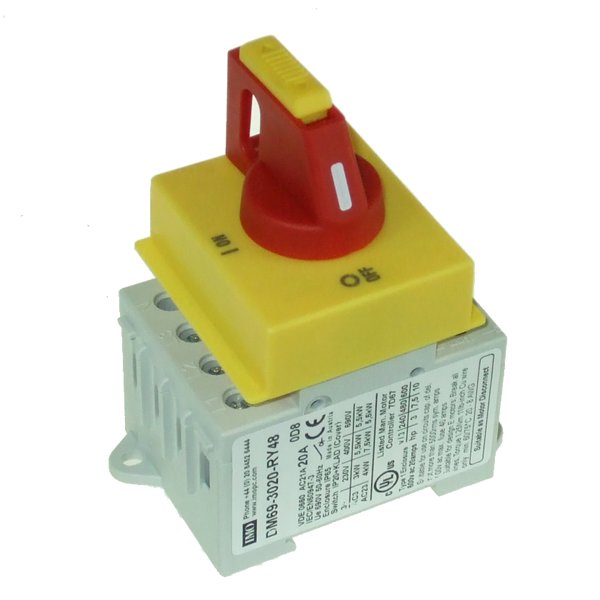
Protection sized for the auxiliary circuits
UL-approved miniature circuit breakers, motor circuit breakers, RCBOs and surge protection for the pump, sensor and control circuits, plus the SI Series TRUE DC isolator (UL 508, 8 million units installed since 2009) where a DC circuit needs a real air gap.
Prove it
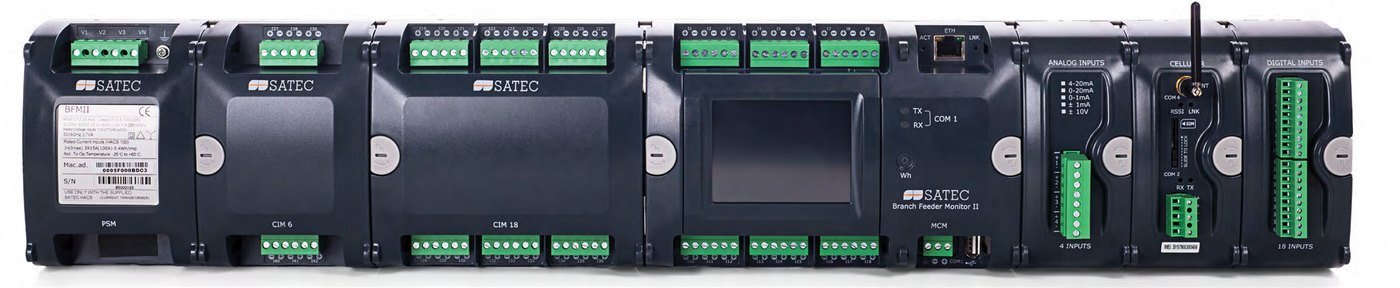
Fifty-four circuits, one device
BFM-II meters up to 54 single-phase or 18 three-phase circuits from one DIN-rail unit, against two voltage sources. PDU, rack and cage level energy without a wall of meters, and the circuit-level accountability a colocation floor runs on.
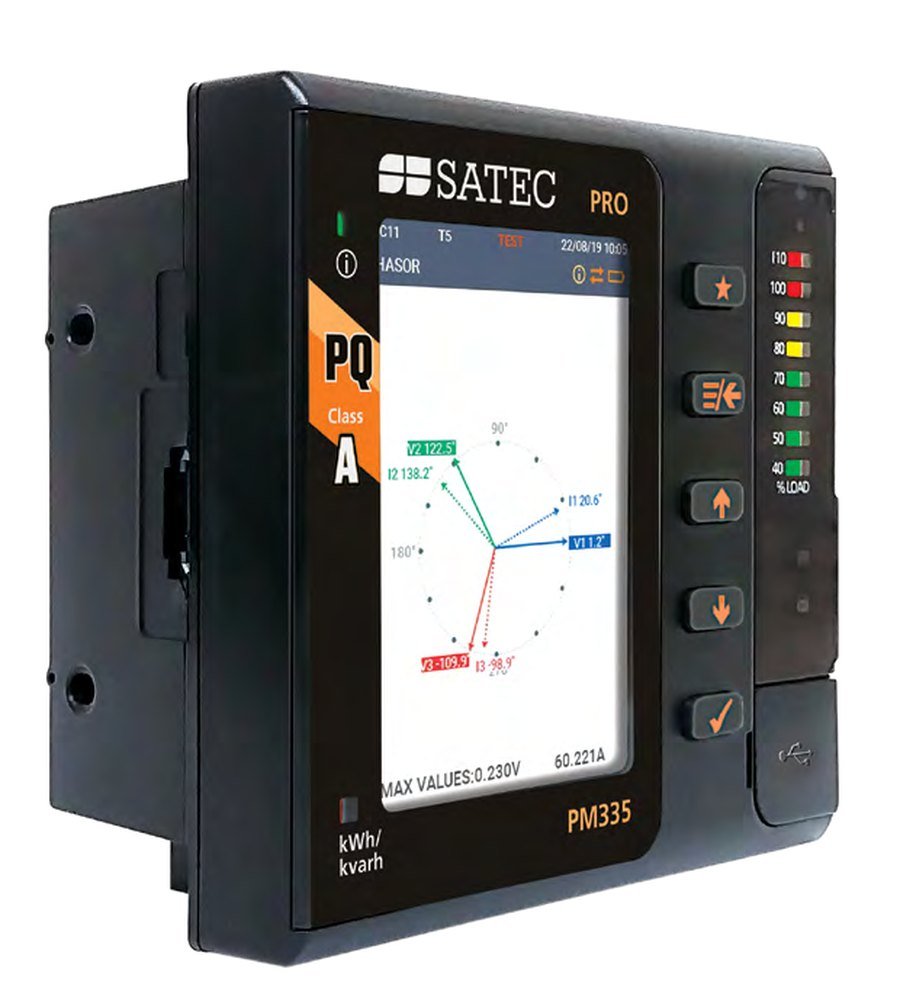
Power quality upstream and downstream of the UPS
PRO Series: a Class 0.2S revenue meter and a Class A Edition 3.1 power quality analyzer in one instrument. Rectifier harmonics and the transients that pass straight through a UPS get captured, not argued about. AC and DC on the same platform, DC to 1,500 V for the bus and the battery.
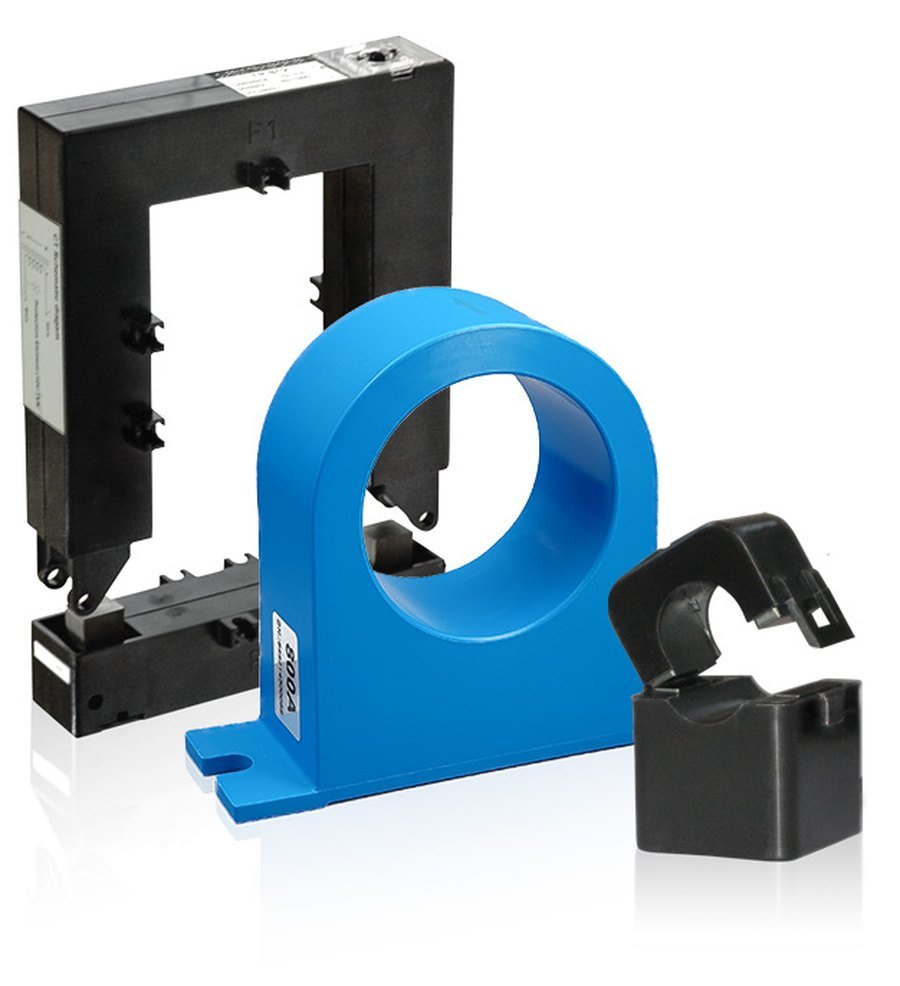
Where accuracy quietly dies
A precision meter behind an ordinary CT inherits the CT's error, and across sixty metering points in a cage the errors compound. HACS sensors feed the meter directly, one CT in the chain instead of two, and no shorting blocks at disconnect. PAS software ships with every instrument; ExpertPower turns the meter data into capacity headroom and PUE by hall, group and rack.
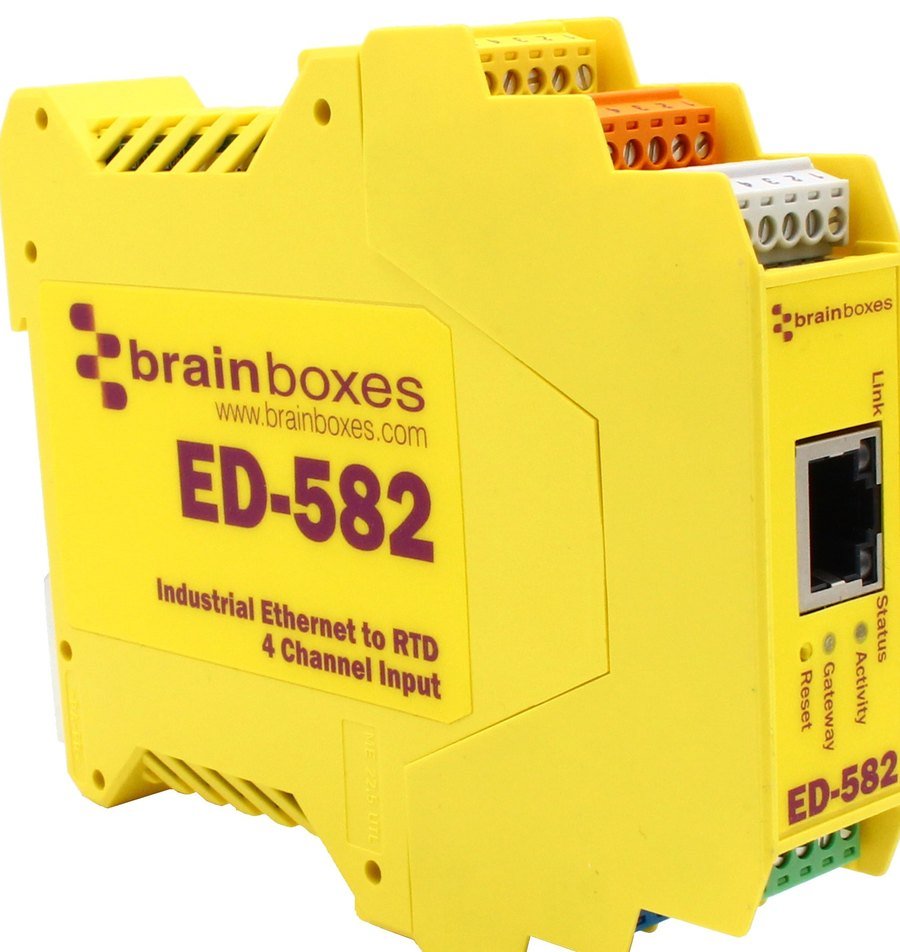
Chiller, genset and CDU data without a PLC rewrite
Remote I/O picks up states, flows and temperatures at the sensor and presents them as Modbus TCP devices your DCIM or BMS polls. Ethernet-to-serial puts the RS-485 port on a running controller onto the network. The controls are never opened, the machine logic never touched.
Foundation
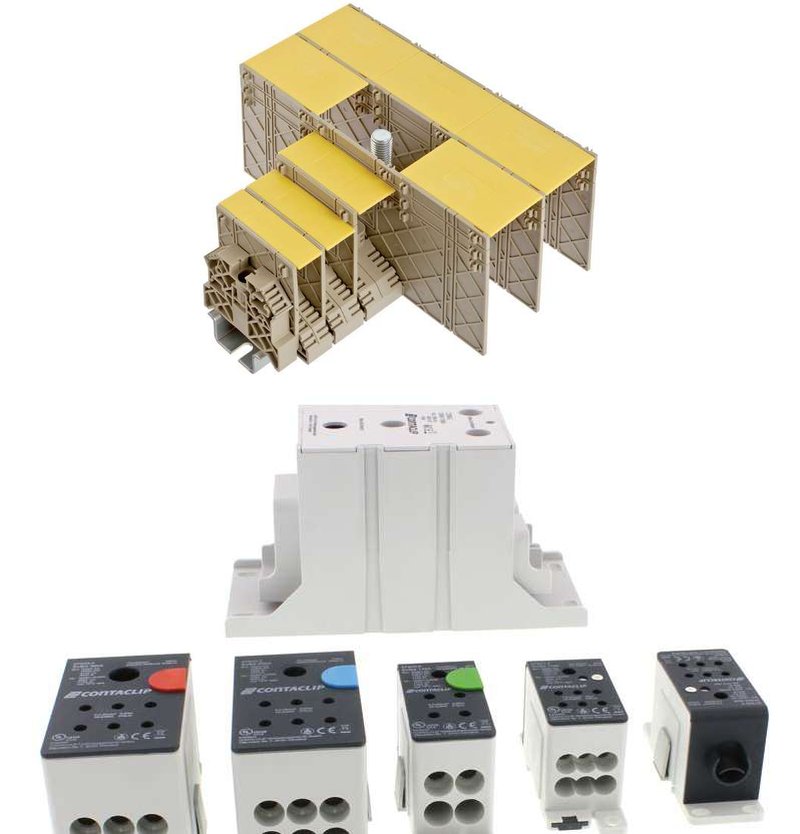
Power distribution blocks and high-current terminals
Finger-safe splits from the incoming feed to the zone loads, stud and bolt terminals for the big conductors, and the DIN-rail blocks, marking and KDS split cable entry around them. Less exposed copper, faster fit-out.
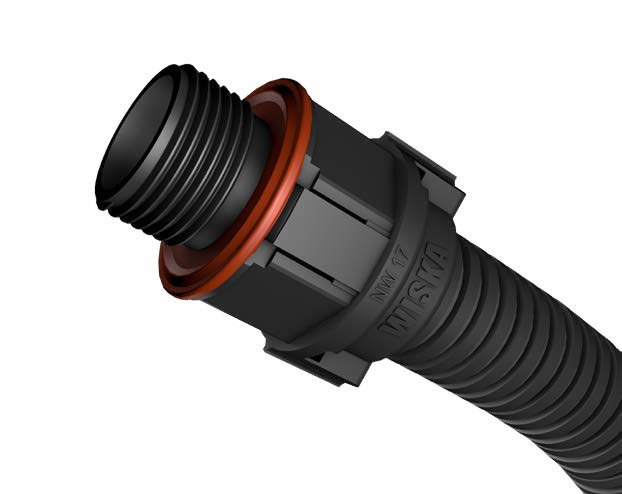
Brace conduit and fittings that seal
The Brace system: plastic conduit with fittings that lock and seal at the enclosure, plus glands including EMC versions and junction boxes, so the drop enters sealed and the shield lands where it should.