
Power it
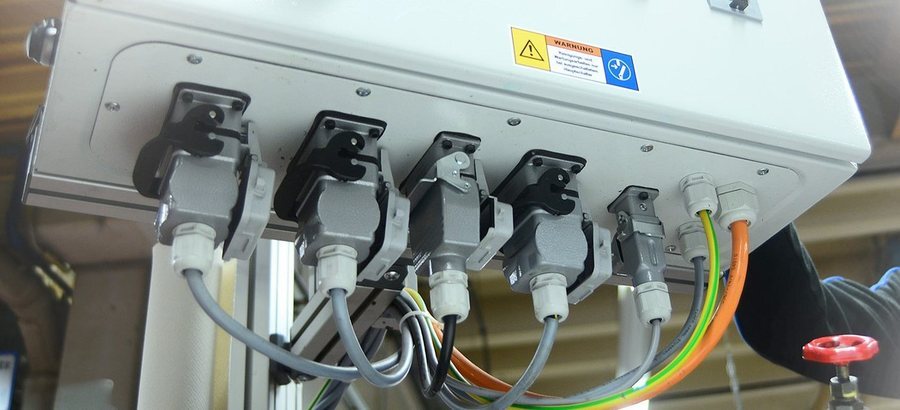
The cell splits here
Procon rectangular connectors carry power and control through one hood, so the cell, the infeed and the tooling ship as sections. On the customer's floor you mate the inserts, snap the hood and energize. Inserts for power, signal and Ethernet in one frame; washdown versions to IP68 for the cell that gets sprayed. Built in Somerset, New Jersey.
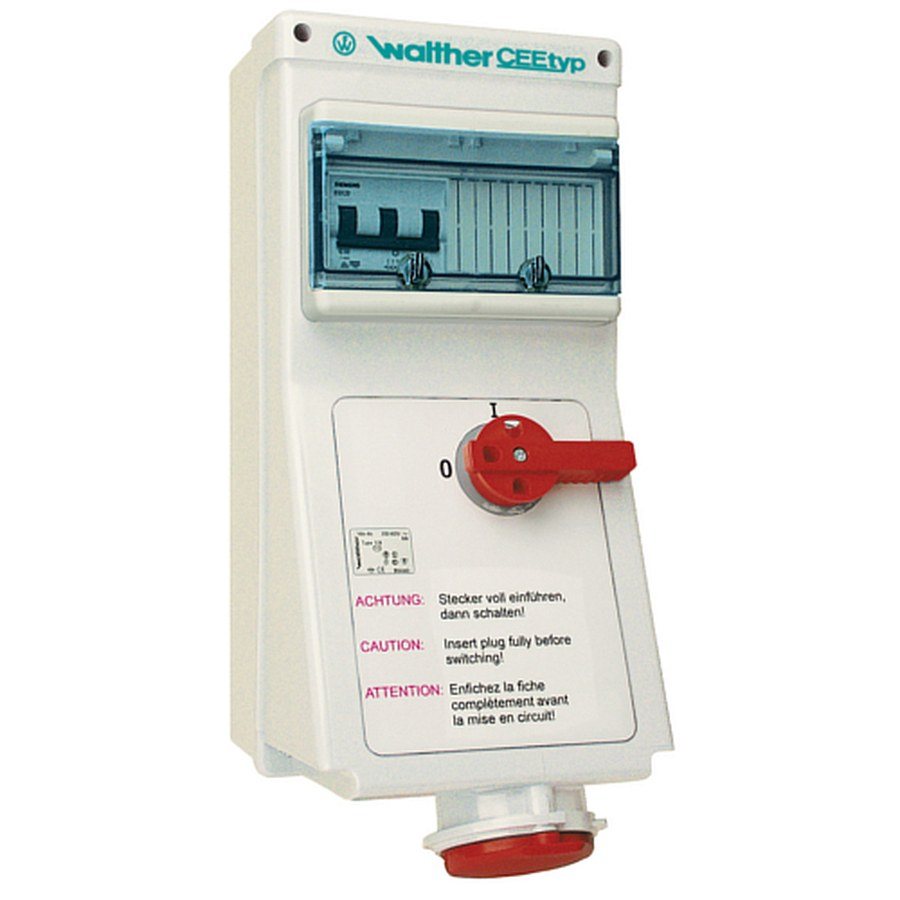
Connect, disconnect, lock out: one part
The receptacle and the switch are one unit on the frame: the circuit cannot be made or broken under load, and the handle takes a lock. The disconnect ships with the machine, IP67 where the water hits. Series II pin and sleeve, 20 to 100 A at 125 to 480 V, UL Listed and CSA Certified together.
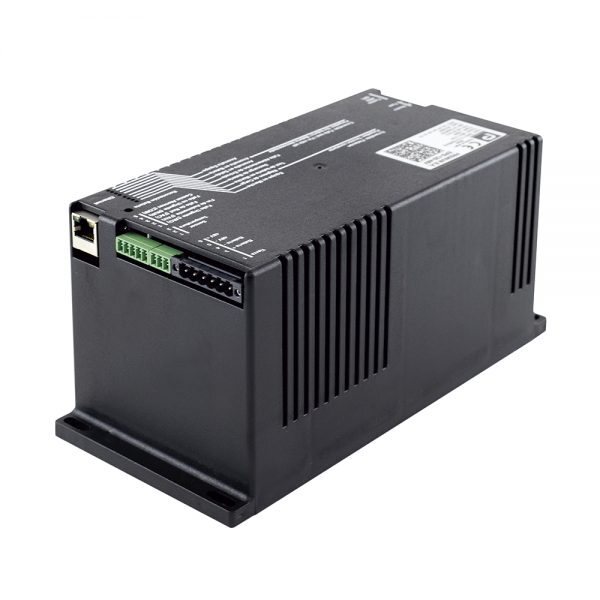
Control power for the cell and the cart
For the cell, a control-voltage supply with the battery charger and the changeover built in and Ethernet reporting to the controller, so a mains dip is a logged event, not a robot fault to recover. For the cart, CLS DC/DC converters that take 16.8 to 137.5 V DC on one part number, so a 24, 36, 48 or 72 V pack feeds the same 24 V bus with 10 ms of hold-up. DIN-rail supplies and the EFC electronic fuse beside them.
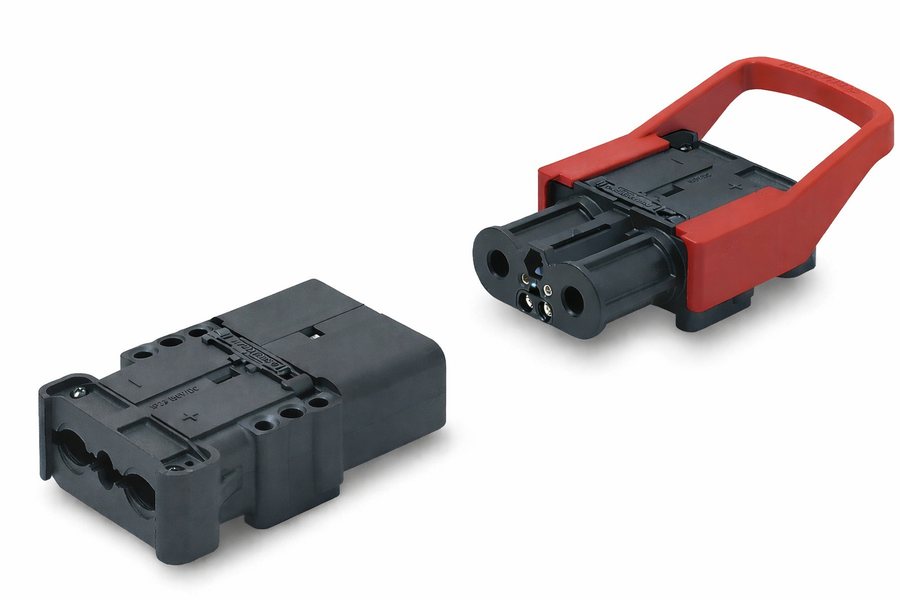
The pack disconnect on the mobile robot
C110B 48 V-class contactors from 60 to 250 A isolate the pack on an AMR or an AGV and clear a DC arc with permanent-magnet blowout, bidirectional, so charge and discharge go through one device. LV charging connectors to 500 A for the dock, and snap-action switches for the limit and the interlock from the same catalog, from a company built on rolling stock.
Control it
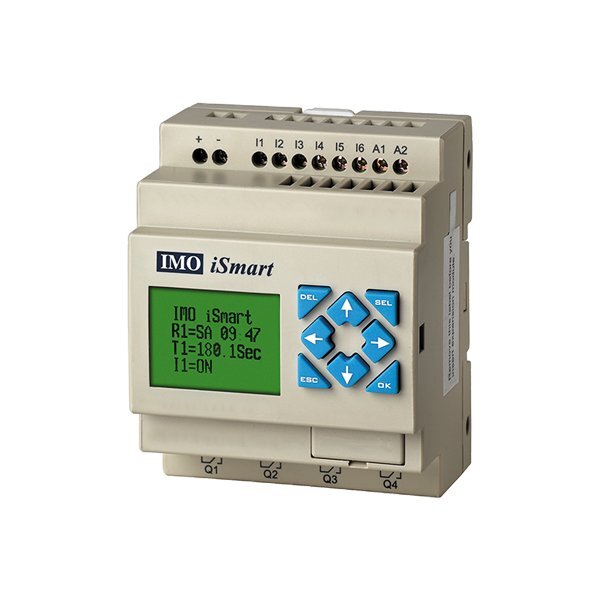
The periphery, relay to drive
The infeed conveyor, the door, the lift table and the exhaust fan around the robot: iSmart smart relays and XGB PLCs with license-free programming, Jaguar drives from compact to heavy frames, contactors and motor circuit breakers beside them, iView HMIs on the door. One platform your customer's maintenance team can support, same-day dispatch from US stock, up to 5-year warranty on electromechanical components.
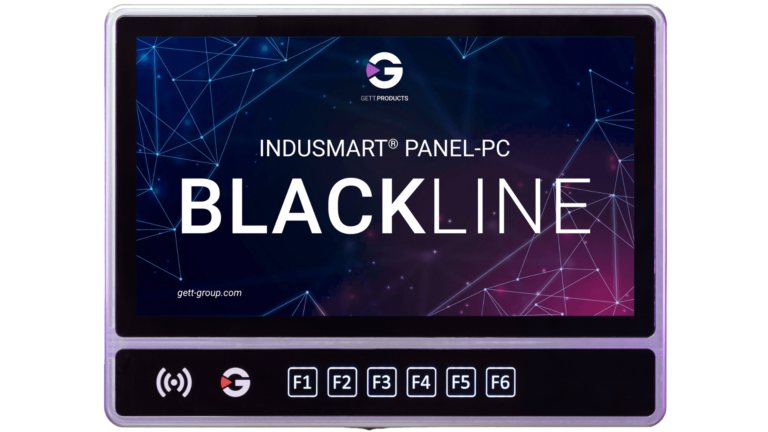
The tending station, from a quantity of one
InduSmart panel PCs from 10.1 to 21.5 inches, IP65 front, fanless, Windows or Linux, for the station outside the fence. The BlackLine adds six capacitive keys and an NFC reader below the display, so operator login and part-program selection are a badge tap, an E-stop in the panel as an option and your logo printed, from a quantity of one, with seven years of form-fit-function availability.
Prove it
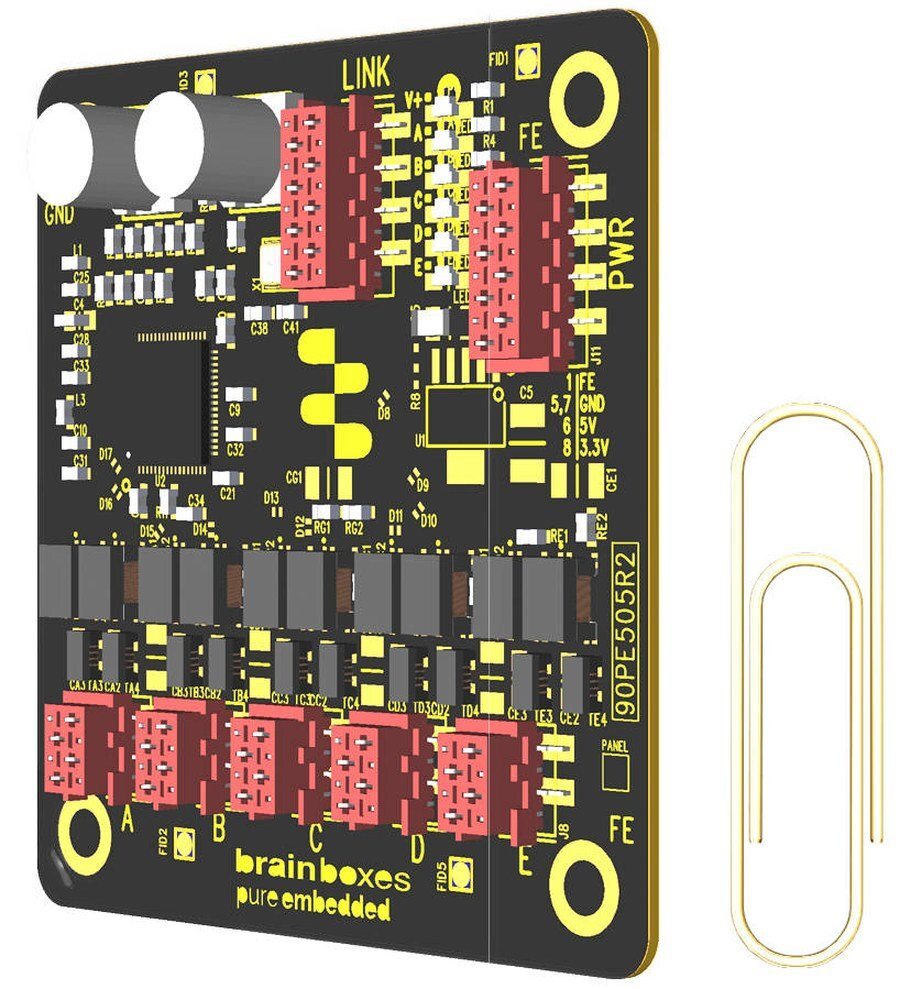
Ethernet inside the robot
Board-level switching 55 by 55 by 10 millimeters, rated -40 to +85 C, designed into the base, the end effector or the cart where a DIN-rail switch will not fit. One OEM built it into a wafer-fab gas delivery controller: 113,000 power cycles, zero failures. Ten-year availability behind the part number.
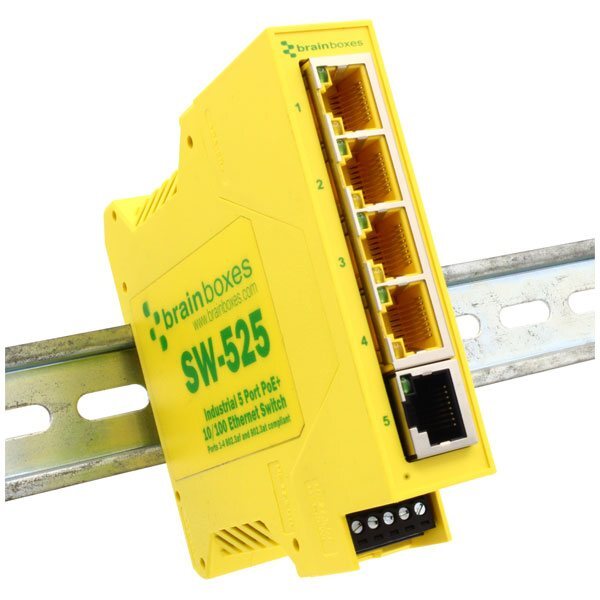
Cameras and sensors on one cable
PoE gigabit switches on the DIN rail power the vision cameras and sensors from the switch port: one cable per device, no AC adapters in the vision cabinet, one fewer supply to qualify. Managed switches with SFP fiber ports carry the cell network across the plant past the distance and EMI copper cannot.
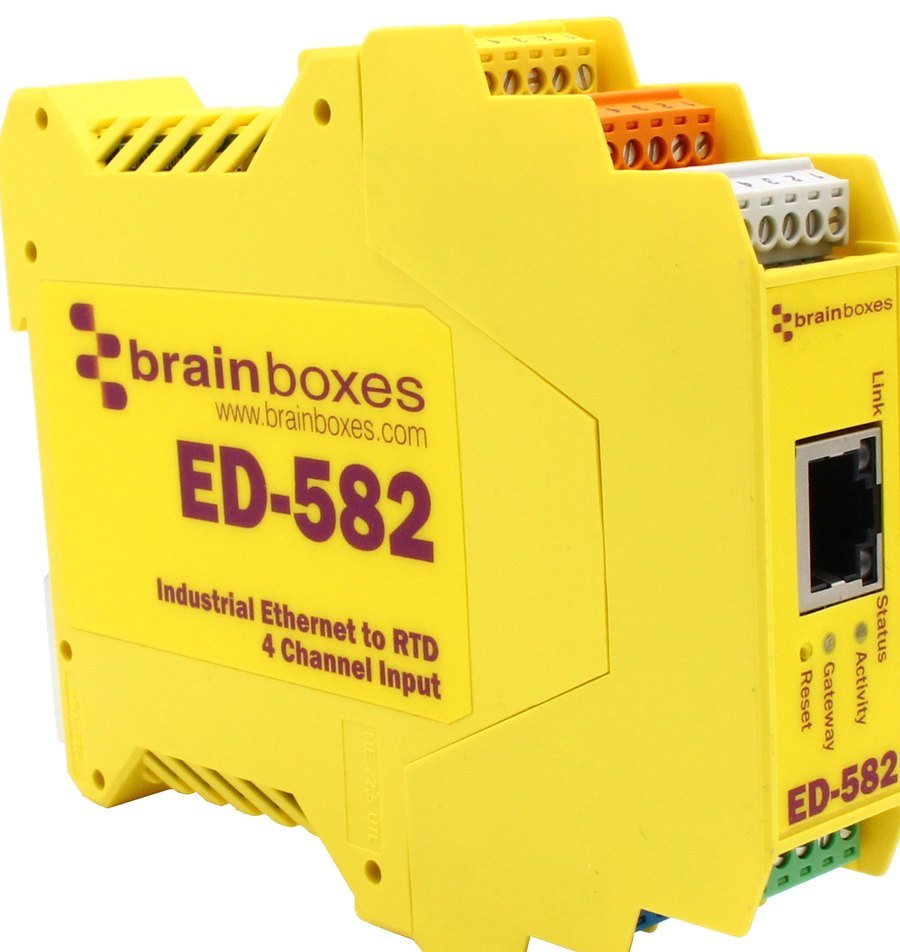
Cell state as a part number
Remote I/O presents run states, cycle counts, gripper and door positions and temperatures as Modbus TCP devices the customer's own software polls. The cell ships with a data interface their IT understands, and the robot controller you validated is never touched. Ethernet-to-serial puts the RS-232 or RS-485 instrument in the cell on the same network as a local COM port.
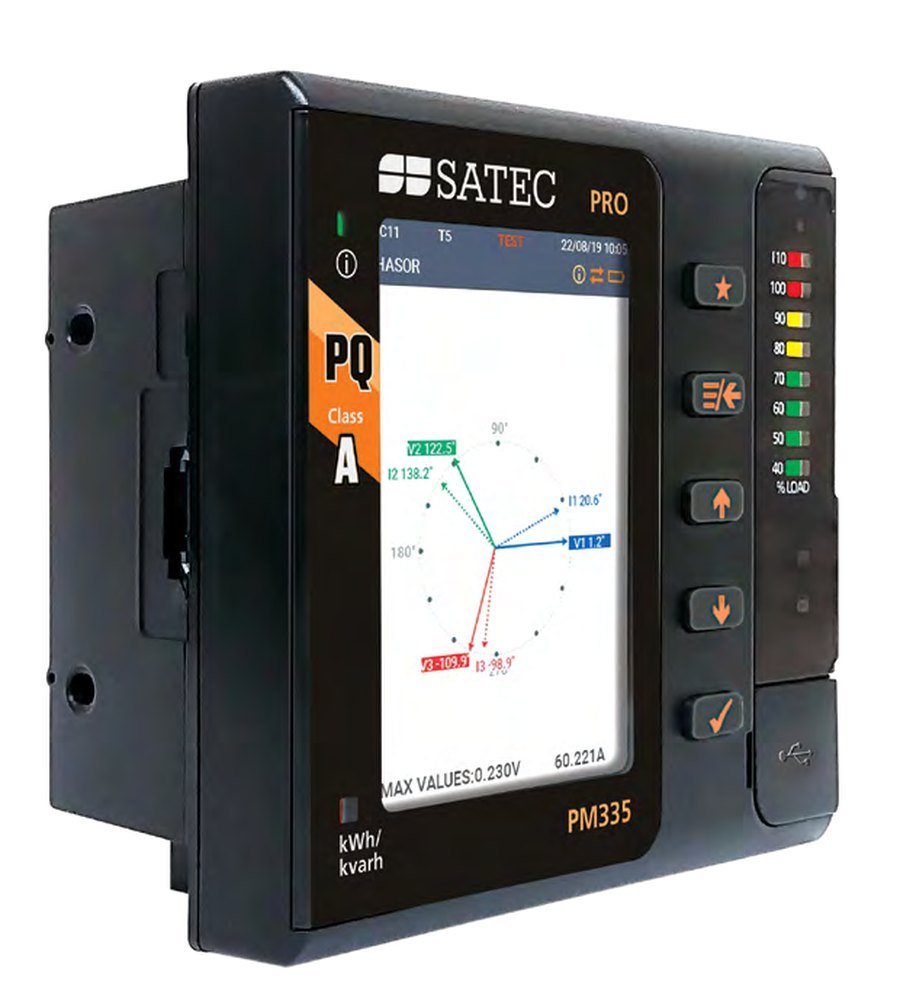
Energy per cycle, measured in the panel
A PRO Series instrument in the cell panel: a Class 0.2S revenue meter and a Class A Edition 3.1 power quality analyzer in one device. The kWh per part is measured, not modeled, and the sag that faulted the robot at shift change has a time and a depth on file.
Foundation
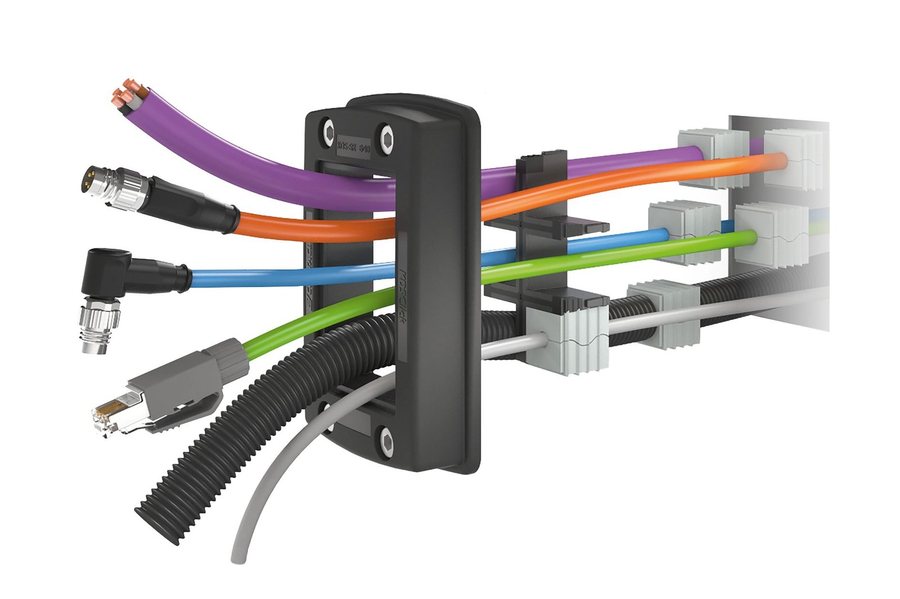
The harness through the wall, connectors on
KDS split cable entry: the robot's pre-terminated cables go through the frame with their connectors on, the wave-cut seal closes around each one, and the frame holds IP66. UL Recognized, one frame in place of a row of glands, seals swapped from outside when a cable is replaced.
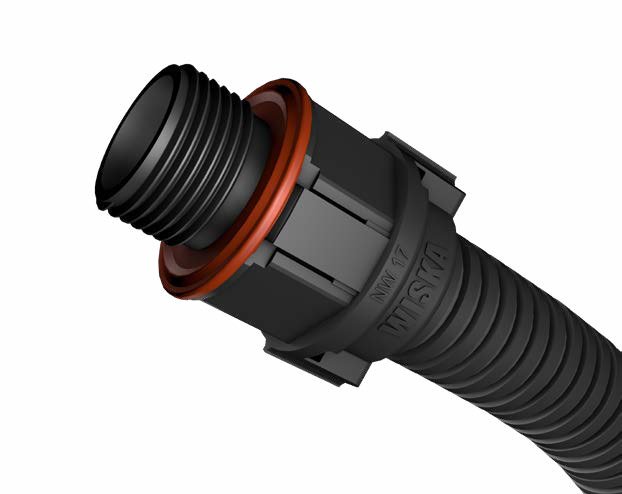
Brace conduit and fittings that seal
The Brace system: plastic conduit with fittings that lock and seal at the enclosure, plus glands including EMC versions and junction boxes, so the drop enters sealed and the shield lands where it should.