Innovation debt does not come from poor engineering. It comes from reasonable decisions made under real constraints, repeated over time as systems, requirements, and markets evolve.
Most engineering teams recognize when change is coming. The challenge is not awareness or capability. It is balancing progress with responsibility. Hardware decisions carry long-term consequences, and trying something new often requires justification that extends beyond technical merit alone.
The safest path forward is rarely change for its own sake, and it is rarely staying locked into what is familiar. Increasingly, it is working alongside experienced partners who help engineering teams evolve designs with confidence, context, and support.
This blog concludes our Innovation Debt series by explaining why familiarity can quietly become a constraint, how vendor lock-in introduces risk over time, and how strategic partnership helps engineers move forward without putting their credibility or projects at risk.
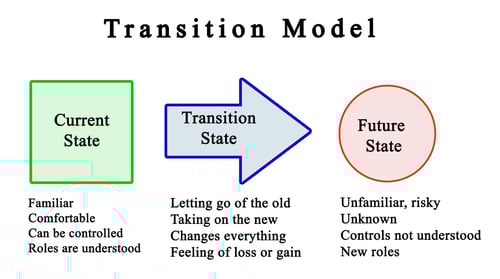
Familiarity Feels Safe, Until It Is No Longer Verified
Vendor lock-in almost never begins as a strategic decision. It grows naturally through training investments, proven workflows, installed bases, and years of successful projects built on the same platforms.
These decisions are logical. They reduce short-term uncertainty and help teams execute efficiently.
Over time, however, that sense of safety can become assumed rather than continually validated. Product roadmaps evolve unevenly. Innovation may accelerate in adjacent areas. Alternatives begin to look risky not because they lack merit, but because they sit outside established experience.
The risk is not in choosing familiar tools. The risk is in losing flexibility when requirements change and the system cannot adapt as easily as expected.
Why Exploring New Ideas Can Feel Risky
Most engineers are aware that better technologies and architectures exist. What makes teams cautious is not lack of curiosity, but accountability.
If a familiar solution underperforms, the decision is easy to explain. It was well understood and widely used. When a newer approach underperforms, even if the logic was sound, the burden of justification can feel heavier.
This is not a failure of engineering judgment. It reflects the reality that engineering decisions are evaluated not only on technical outcomes, but on how well they hold up under review, over time, and across teams.
New ideas are not risky by default. New ideas without shared context and validation can be.
Innovation Debt Is a Visibility Challenge, Not a Skill Gap
Manufacturers understand their own product lines deeply. Distributors understand availability and logistics. Engineering teams understand their systems better than anyone.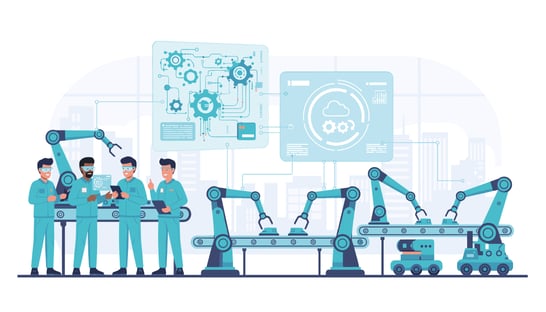
What is naturally limited is cross-system visibility. No single role sees how similar architectures behave across industries, environments, and long-term operating conditions.
Innovation debt tends to accumulate when teams do not have easy access to insight such as:
- How comparable designs perform in different applications
- Where certain components tend to age, drift, or fail
- Which supplier roadmaps are actively advancing
- How design tradeoffs play out as systems scale
High-performing OEMs address this not by outsourcing decisions, but by adding perspective.
Design Confidence Comes From Pattern Recognition 
Design confidence grows when engineers can recognize patterns early, not just react to outcomes later.
Patterns such as:
- How power architectures evolve under increasing density
- Where control strategies limit future expansion
- How data paths become constrained as complexity increases
- Which supplier ecosystems continue to invest forward
These insights are difficult to gather when teams are focused, correctly, on executing within a specific architecture. They emerge through repeated exposure to many systems and long-term outcomes.
This is where experienced technical partners contribute the most value.
Why OEMs Use Technical Reps as Engineering Leverage
At their best, technical representatives are not decision-makers or gatekeepers. They act as an extension of the engineering team, adding external context that strengthens internal decisions.
A strong technical representative:
- Works across multiple manufacturers
- Sees what succeeds and struggles across industries
- Understands where innovation debt tends to surface first
- Helps teams evaluate options with real-world context
This support allows engineers to explore improvements thoughtfully, with shared accountability and reduced risk.
Cross-Brand Perspective Preserves Flexibility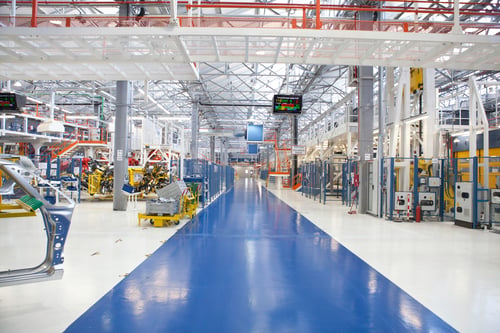
A single-vendor strategy can be effective, especially early in a platform’s life. Over time, however, it concentrates dependency on one roadmap and one development cycle.
A cross-brand approach allows teams to:
- Update one system layer at a time
- Preserve architectures that still perform well
- Reduce exposure to any single supplier’s limitations
- Apply specialized solutions only where they add value
This approach does not replace trusted suppliers. It complements them by preserving optionality as requirements evolve.
Early Collaboration Prevents Late-Stage Pressure
The most expensive challenges in engineering are not mistakes. They are assumptions that were never revisited early enough.
Rising power density, data saturation, integration constraints, and platform reuse pressures often emerge late, when changes are hardest to make.
Early collaboration with experienced partners introduces a second set of eyes at the right moment, when adjustments are still manageable and decisions are easier to defend internally.
From Innovation Debt to Design Confidence
Dynamic exists to support engineers who already understand their systems and want additional context before committing to long-term hardware decisions.
We work alongside engineering teams to validate assumptions, compare architectures, and share lessons learned from a wide range of real-world systems. Our role is not to override judgment, but to strengthen it.
Innovation debt explains why systems eventually fall behind.
- Design confidence explains how strong teams stay ahead.
The difference is not better engineers.
- It is better-supported decisions.