Three days at the Moscone Center, booth 6648, with the Brainboxes team. Thank you to everyone who stopped by. Most of the conversations at the booth came down to a handful of questions, and they were the same questions whether the person builds the tool, builds a subsystem that goes into it, or runs the test floor where it gets qualified. Here they are, with where the answer sits.

1. How do I get data off a tool that is already qualified?
This was the question of the week. The tool runs exactly as it was qualified, the fab bought exactly that, and someone now wants a signal, a count or a serial device read for a dashboard, a historian or a service log. The first path everyone thinks of is the control project, and that is the one change nobody wants to make.
The answer that landed at the booth: the data path goes beside the controller, not inside it. A spare serial port on a chiller or a gauge controller, a dry contact on the signal tower, a sensor the tool never had, brought onto Ethernet by a small module that the control code never knows about. We wrote that one up before the show, device by device: Getting data off a semiconductor tool without reopening the control project.
2. There is one device on the tool that nothing can talk to. What about that one?
Every tool has one. A pump controller, an abatement unit, a heat exchanger that shipped with an RS-232 or RS-485 port and a manual nobody opened. An Ethernet to serial device server puts that port on the network, and the PC or script on the other end sees an ordinary COM port, so the software that already talks to the device keeps working. The device vendor's protocol stays the device vendor's protocol. The only thing that changed is where the cable goes.
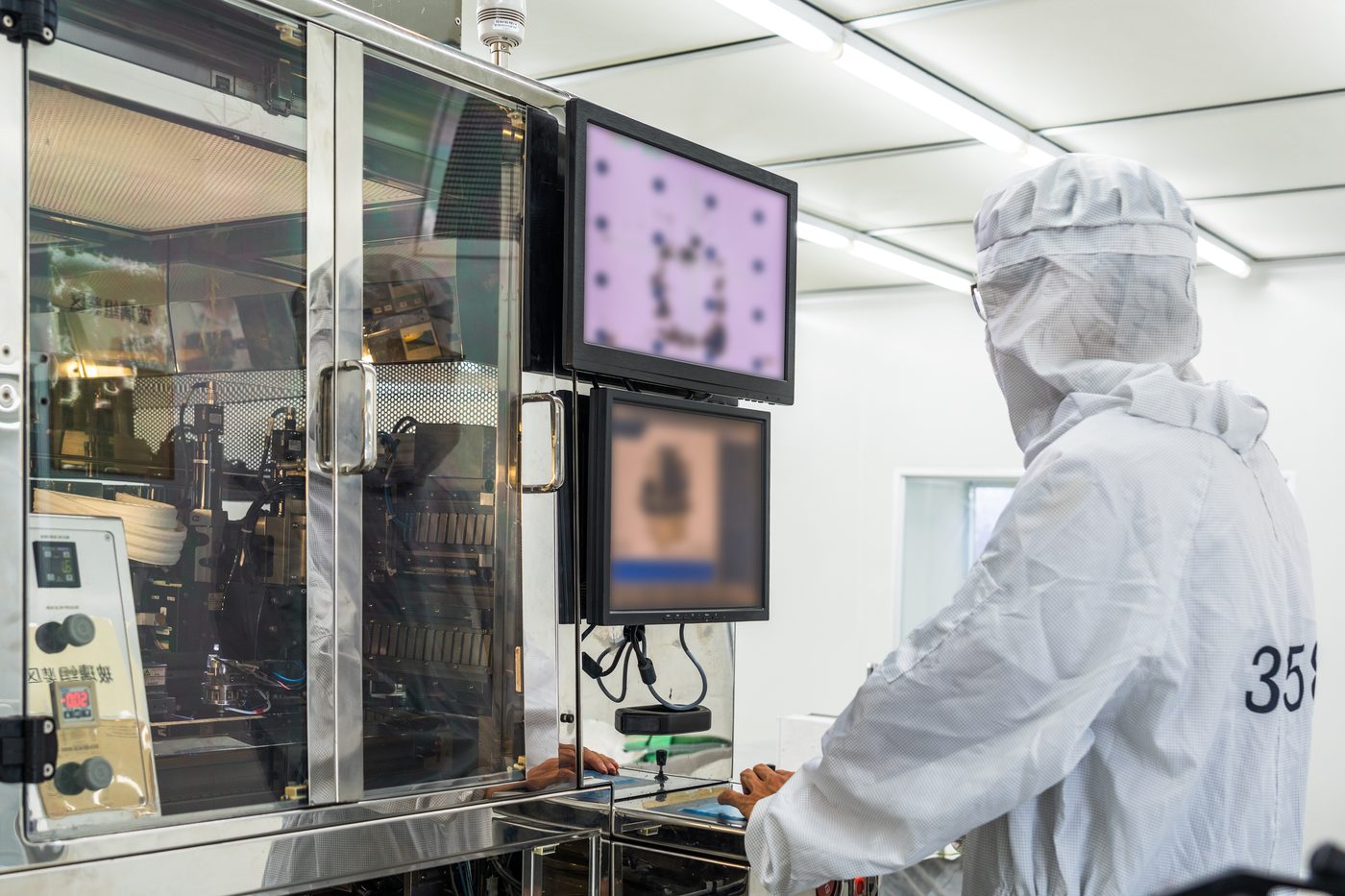
The data is usually on the tool already. The question is what you have to touch to get it out.
3. Can this go inside the product, not just next to it?
Several subsystem builders asked about Ethernet between boards inside a module they build, rather than a box on a DIN rail. That is what a board-level switch is for: the same industrial Ethernet switch as a module you design onto your own board. Brainboxes published a wafer fab flow controller case on exactly that, five boards on one embedded switch, power cycled 113,000 times in testing. Read the Brainboxes case study.
4. We are moving test control to Python. Does this still fit?
Yes, and it fits better. The remote I/O and serial modules are plain Ethernet devices with a documented interface, so a Python script on the bench PC reads and writes them directly. No vendor runtime sits between the script and the hardware. On a test bench or burn-in rack the capture path collects acceptance data during build and final test, then comes off before the tool ships, so it never becomes part of the qualified product.
5. Where does the data land?
The question behind the questions. Facility monitoring, your own service team, a test log, or the fab's host each want the data in a different place, and the honest answer at the booth was usually a counter question: who owns the control project once the tool ships, and what does a change cost on each side? When the data already exists outside the controller, the separate network is the short path. When it only exists inside the PLC project, the controller vendor's own data interface is the path, and the best time to add it is at design time, on its own network port, before the first customer asks.
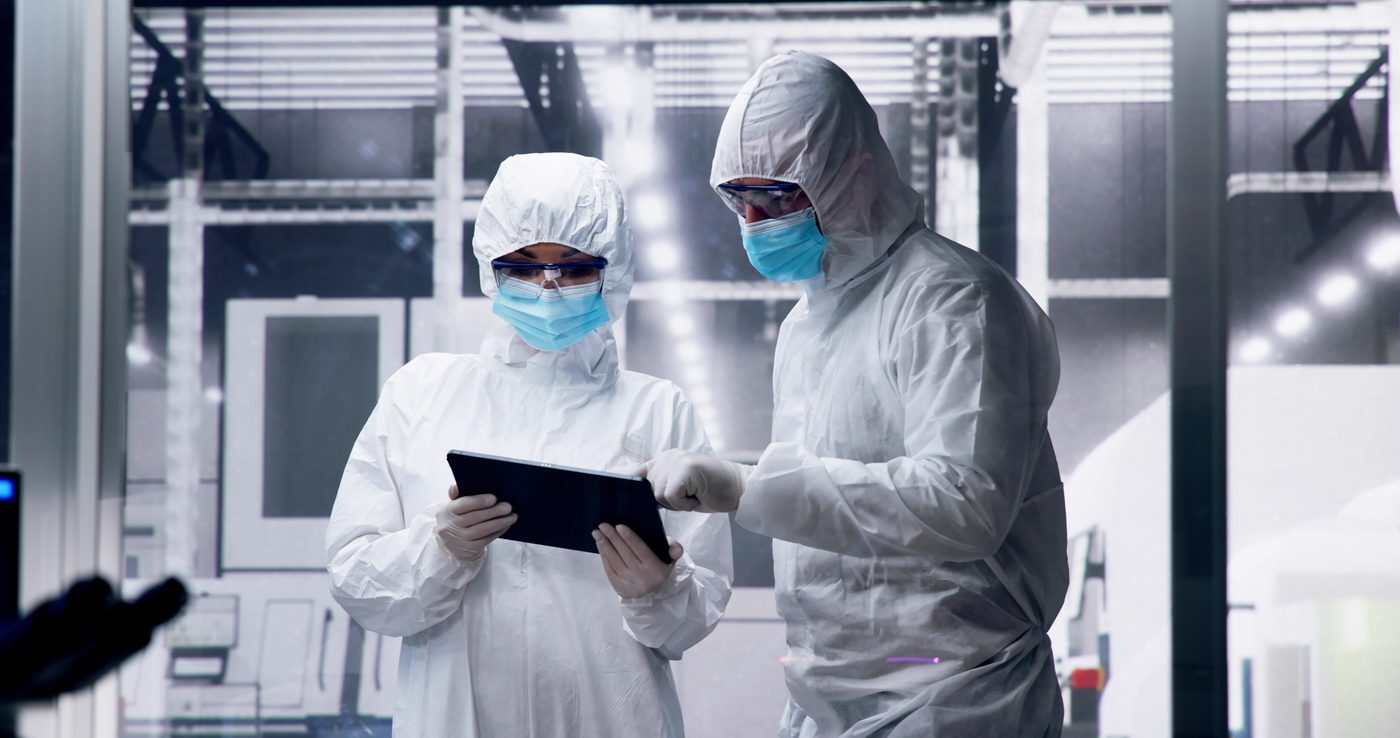
Who owns the control project after the tool ships decides which path is cheap and which one is not.
What we are doing with what we heard
Every conversation from the booth gets a personal follow-up this week with the piece that fits the question, the Brainboxes product line overview for most, the test bench line card where the question was about a bench. If you were at the show and have not heard from us, or you could not make it and one of the five questions above is on your list for the next build, reach out and we will work it through with you.
Our semiconductor and test equipment page lays out the product lines we carry for tool builders, from the incoming power to the data off the tool, and the Brainboxes page has the full range.
At Dynamic we represent power, control and measurement lines for machine builders and panel shops in Northern California and Northern Nevada, and we are Brainboxes' rep across the territory. We help at the schematic and bill-of-materials stage, where a data path is cheapest to add.
Working through a live design question? Tell us what you are connecting and we will come back with a part list.